How to wash a calorimeter
As the core instrument for accurately measuring heat, the degree of cleanliness of the calorimeter directly affects the accuracy of the test results. Mastering the scientific washing method is the key to ensuring the stable operation of the instrument. The following is a detailed introduction to the washing steps of the calorimeter.
Step 1: Prepare before washing
Before washing, be sure to cut off the power of the calorimeter until the instrument is completely cooled to prevent electric shock and burns. Prepare a clean soft cloth, special cleaning brush, neutral detergent and distilled water. Avoid strong acid and alkali cleaners to avoid corrosion of instrument parts.
Step 2: Disassemble the cleanable parts in an orderly manner
Carefully disassemble the removable parts of the calorimeter, such as the sample dish, agitator, etc. During the disassembly process, handle it with care to avoid collision and deformation of the parts, and mark the parts at the same time to facilitate subsequent installation and reset.
Step 3: Classify the cleaning parts
For parts that come into contact with the sample, such as sample dishes, first dip a soft cloth in a small amount of neutral detergent, gently wipe to remove residual samples and stains, and then rinse repeatedly with distilled water until no detergent remains. Components such as stirrers can be carefully scrubbed with a cleaning brush to ensure that the gaps are clean in place. For the instrument case, wipe it with a clean soft cloth.
Step 4: Thoroughly dry and install
After cleaning the parts, dry them naturally or with a clean lint-free cloth. It is strictly forbidden to use hot air to dry to prevent the parts from deforming. After confirming that the parts are completely dry, install the parts back to their original position accurately according to the marks to ensure that the installation is firm.
Step 5: Key points of daily maintenance
After each use of the calorimeter, clean the residual samples in time to avoid stain accumulation. Regular comprehensive cleaning of the instrument can effectively prolong the service life of the instrument and ensure accurate and reliable test results.
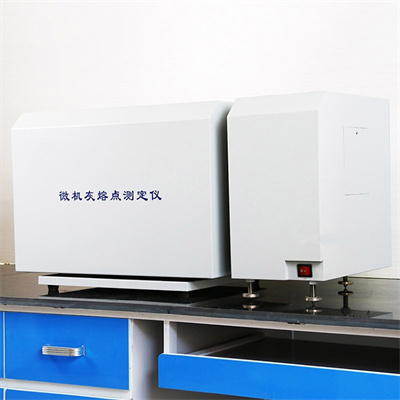
Master the above calorimeter washing methods, and regularly clean and maintain the calorimeter to maintain the best condition, providing strong support for the detection work.
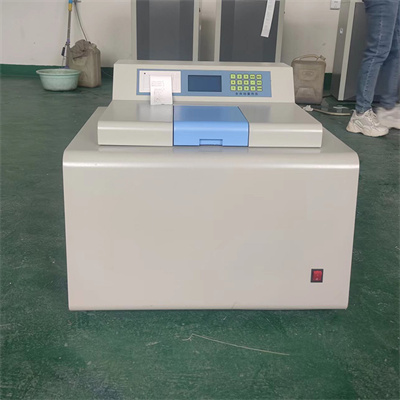 How to read calorimeter data
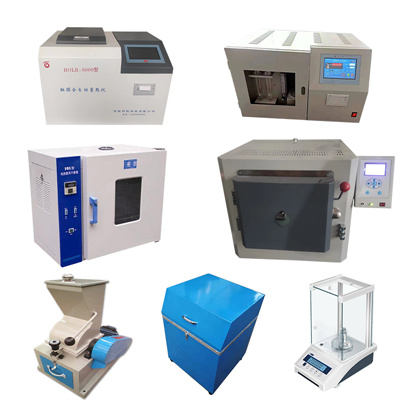 What is the design principle of a calorimeter?
 What is the harm of lack of water in the calorimeter?
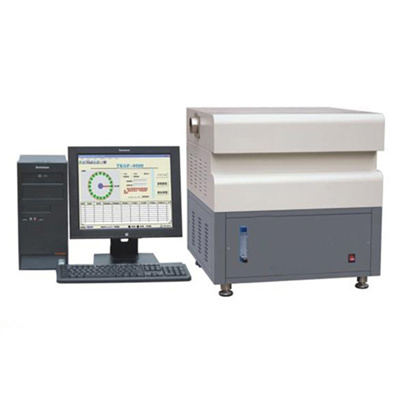 What is the input interface of the calorimeter?