How to adjust a calorimeter
In many fields such as chemical industry and energy, calorimeter is the key equipment for accurately measuring the heat of matter, and its measurement accuracy directly affects the experimental and production results. Mastering the correct adjustment method of calorimeter is the premise of ensuring reliable data.
preparatory work
Before adjusting the calorimeter, make sure that the instrument is placed in a stable, dry and free of strong electromagnetic interference. Check whether the power connection is stable, turn it on and preheat for at least 30 minutes, so that the internal components of the instrument can reach a stable working state. At the same time, prepare the reference material required for calibration, such as benzoic acid, whose calorific value is known and stable, which is a commonly used calibrator.
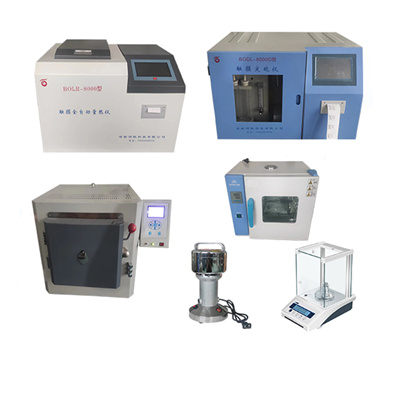
Key calibration steps
1. Temperature sensor calibration: Temperature is one of the core parameters measured by a calorimeter. Enter the instrument calibration mode, place the standard thermometer and the calorimeter temperature sensor together in a constant temperature water bath, and compare the readings of the two when the temperature stabilizes. If there is any deviation, enter the correction value through the instrument calibration menu to ensure accurate temperature measurement.
2. Heat capacity calibration: Heat capacity reflects the ability of the calorimeter to absorb heat. Weigh a certain quality of standard benzoic acid, put it in the oxygen bomb of the calorimeter, and ignite and measure according to the operation process. According to the measurement results and the standard calorific value of benzoic acid, calculate the heat capacity of the instrument and correct it in the instrument parameters to ensure the accuracy of the heat capacity data.
parameter fine setting
According to the characteristics of the test sample, reasonably set the parameters of the calorimeter. For the sample with intense combustion, appropriately reduce the ignition power to avoid the sample splashing; for the refractory sample, the oxygen bomb oxygenation pressure can be increased to ensure that the sample is fully burned. At the same time, set a reasonable stirring speed to ensure uniform heat transfer and improve the measurement stability.
Daily maintenance and re-inspection
After each use of the calorimeter, clean up the oxygen bomb, inner cylinder and other components in time to prevent residual substances from affecting the next measurement. Regularly conduct a comprehensive inspection of the instrument, including circuit connection, sealing performance, etc. It is recommended to re-calibrate after a certain number of uses or intervals to ensure that the instrument always maintains the best measurement condition.
Mastering the above adjustment methods can ensure the stable and accurate operation of the calorimeter and provide reliable data support for various types of heat detection work.
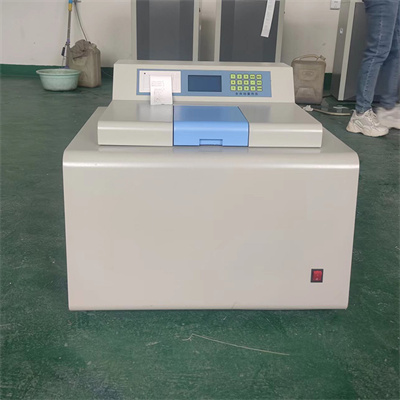 How to read calorimeter data
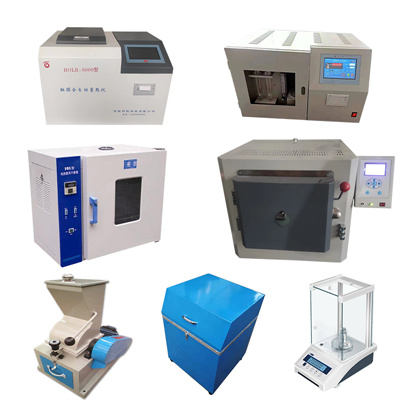 What is the design principle of a calorimeter?
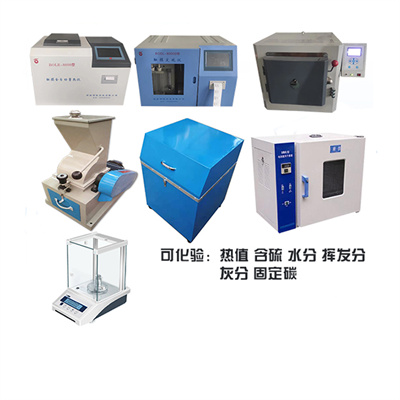 What is the harm of lack of water in the calorimeter?
 What is the input interface of the calorimeter?