How to draw water from a calorimeter
The calorimeter plays a key role in various calorific value measurement experiments, and accurate water pumping is an important prerequisite to ensure the accuracy of the experimental results. The following is a detailed introduction to the specific operation method of the calorimeter for water pumping.
Preparations need to be in place
Before pumping water, check the appearance of the calorimeter to see if there is any damage, water leakage, etc., and ensure that the calorimeter is placed on a stable table. Prepare purified water or distilled water that meets the requirements to avoid impurities in the water affecting the experimental accuracy. In addition, you need to prepare suitable measuring cups, funnels and other auxiliary tools.
Clear the location and amount of water added
The water addition position of the calorimeter is usually clearly marked, usually located in the water tank or outer cylinder of the instrument. Different models of calorimeters have different water addition capacity requirements, so be sure to refer to the instrument manual to determine the exact amount of water added. Adding too much or too little water may lead to deviations in the experimental data, so strict control of the amount of water added is the key.
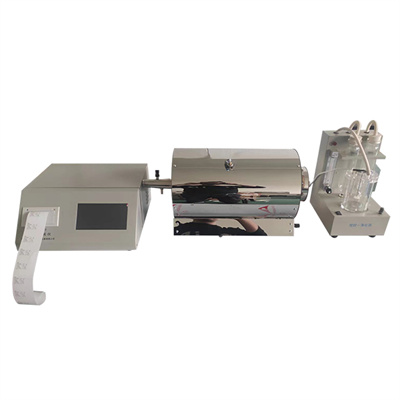
Standardize the operation process of water fetching
Use a measuring cup to measure the specified amount of water, and slowly inject the water into the designated position of the calorimeter with the help of a funnel. During the water injection process, keep the water flow smooth to avoid splashing or generating bubbles. If there is an accidental water overflow, wipe it with a clean rag in time to prevent the instrument from short-circuiting or damage. After the water injection is completed, check whether the water level meets the requirements again, and close the water filling port after confirming that it is correct.
Follow-up inspection is essential
After adding water, start the calorimeter for preliminary testing to observe whether the instrument is running normally and whether the water level is stable. If the water level is found to drop abnormally, it is necessary to check whether there is a leakage problem in time and re-add water. Only by ensuring that the calorimeter adds water accurately and operates stably can it provide a reliable guarantee for follow-up experiments.
Mastering the correct method of pumping water from the calorimeter can not only improve the efficiency of the experiment, but also ensure the accuracy of the experimental data. By strictly following the above steps, you can easily complete the pumping work of the calorimeter.
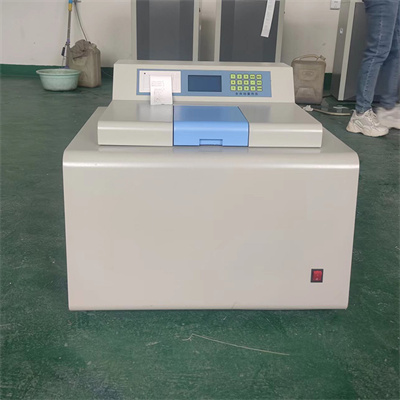 How to read calorimeter data
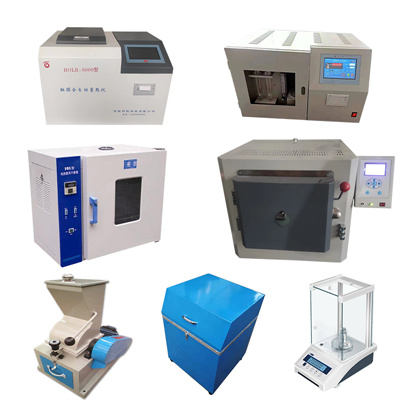 What is the design principle of a calorimeter?
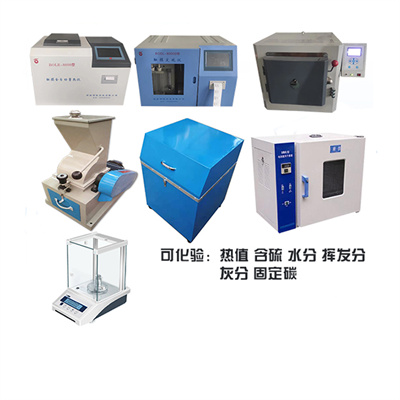 What is the harm of lack of water in the calorimeter?
 What is the input interface of the calorimeter?