Is the calorimeter accurate?
calorimeters play a key role in many scientific research and industrial production fields, and their accuracy has attracted much attention. So, is the calorimeter accurate?
The measurement principle of a calorimeter is based on the laws of thermodynamics, and it obtains relevant data by accurately measuring the heat change of a substance under specific conditions. In principle, it has the basis for accurate measurement. Ideally, a calorimeter can give more accurate results, providing a reliable basis for scientific research and production.
However, in practical use, a variety of factors can affect the accuracy of a calorimeter.
The first is the quality of the instrument itself. Different brands and models of calorimeters have differences in manufacturing process and component accuracy. High-quality calorimeters use high-precision sensors and advanced temperature control systems to reduce measurement errors; while poor-quality instruments may have large deviations in measurement results due to aging components and insufficient accuracy.
The second is the degree of operation specification. Whether the operator operates according to the standard process has a significant impact on the measurement results. For example, the weighing accuracy of the sample, the filling method, and the temperature control and stirring speed during the experiment will introduce errors if not operated properly. Therefore, the operator must be professionally trained and strictly follow the operating procedures.
Furthermore, environmental factors cannot be ignored. Environmental conditions such as temperature, humidity, and air pressure in the laboratory will affect the measurement of the calorimeter. For example, temperature fluctuations may cause the internal temperature of the instrument to be unstable, which in turn affects the accurate determination of heat. Therefore, the laboratory should maintain relatively stable environmental conditions.
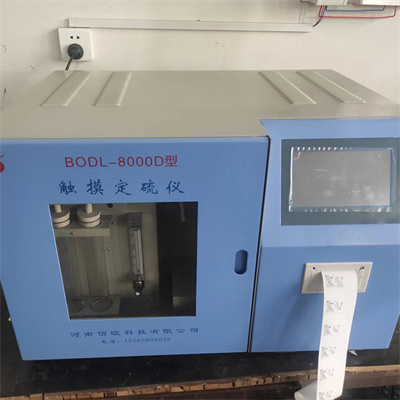
In order to ensure the accuracy of the calorimeter, regular calibration is essential.
Calibration is the use of standard materials to calibrate the instrument and adjust the parameters of the instrument to make its measured values conform to the standard values. Through calibration, the deviation of the instrument can be detected and corrected in time to ensure the reliability of the measurement results. Generally speaking, it is recommended to perform regular calibration according to the frequency and accuracy requirements of the instrument.
To sum up, the calorimeter itself has the potential for accurate measurement, but its accuracy is uncertain due to various factors such as instrument quality, operating specifications, and environmental factors. Only by controlling all aspects and doing a good job in calibration can the calorimeter play its due accuracy and provide strong support for related work.
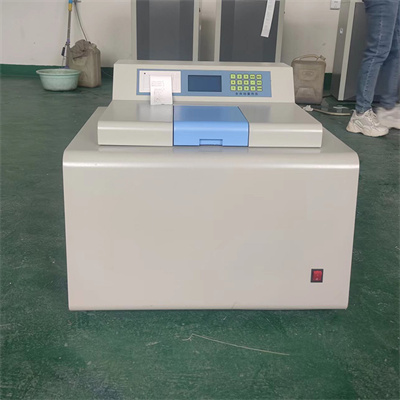 How to read calorimeter data
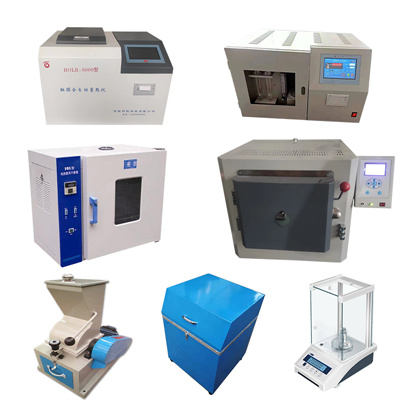 What is the design principle of a calorimeter?
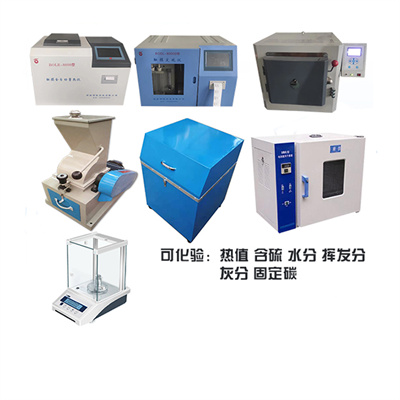 What is the harm of lack of water in the calorimeter?
 What is the input interface of the calorimeter?