How does a calorimeter exhaust?
In the experimental process of the calorimeter, the exhaust link is very important, which directly affects the accuracy of the experimental data. The following describes the detailed method of the calorimeter exhaust.
Preparation is essential
Before starting the exhaust, make sure that the components of the calorimeter are firmly connected and the power supply is normally connected. At the same time, carefully check the appearance of the instrument for damage, especially the pipelines and valves related to the exhaust. Prepare necessary tools, such as clean wipes, for cleaning the surface of the instrument to avoid impurities such as dust affecting the exhaust effect.
Exhaust operation steps
1. Turn on the instrument preheating: turn on the power supply of the calorimeter and preheat according to the instrument operating procedures. Preheating can make all parts of the instrument reach a stable working state and create good conditions for subsequent exhaust. Generally, the preheating time varies depending on the instrument model, usually 10-30 minutes.
2. Open the exhaust valve: Find the exhaust valve of the calorimeter and slowly open it. At this time, the gas that may exist inside the instrument will be gradually discharged. Note that when opening the valve, the action should be gentle to avoid damage to the parts due to excessive force.
3. Observe the exhaust situation: During the exhaust process, closely observe the exhaust state. Under normal circumstances, the discharged gas should be smooth and free of abnormal noise. If there is uneven gas injection, abnormal noise, etc., it may be that there is a blockage or failure inside the instrument. Stop the exhaust in time and check the problem.
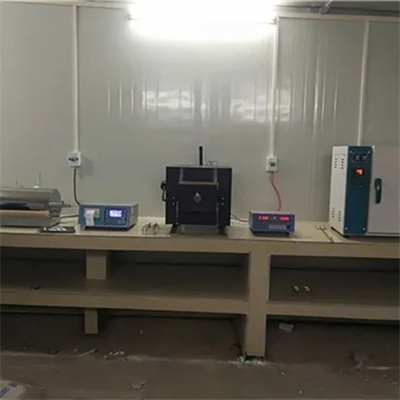
4. Continue to exhaust until stable: Keep the exhaust valve open and continue to exhaust for a period of time until the exhaust is stable and there is no obvious gas discharge. This process may take a few minutes, depending on the actual situation of the instrument.
Check and confirm after exhaust
After the exhaust is completed, close the exhaust valve. Check again whether the components of the instrument are tightly connected and whether there is any air leakage. It can be judged by observing the pressure indication of the instrument and listening to whether there is any air leakage sound. If air leakage is found, re-check the connection and tighten it.
Mastering the correct exhaust method of the calorimeter can effectively ensure the smooth progress of the experiment and improve the accuracy of the experimental data. Follow the above steps, I believe everyone can easily complete the exhaust work of the calorimeter.
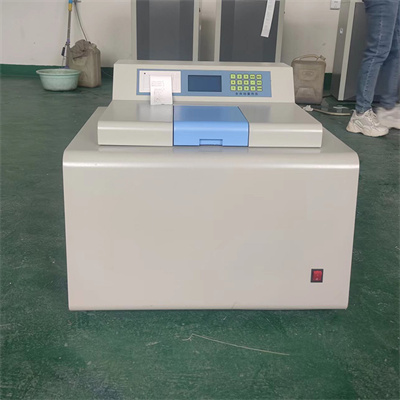 How to read calorimeter data
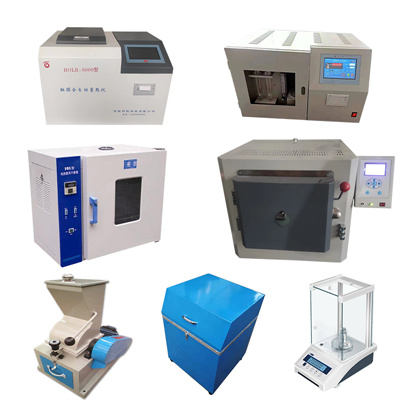 What is the design principle of a calorimeter?
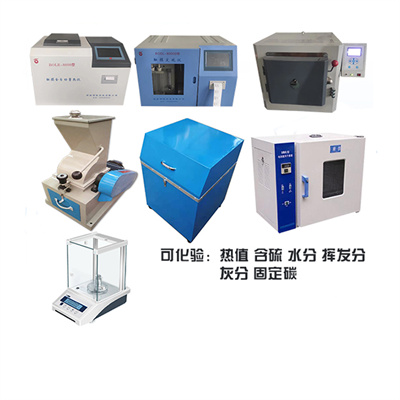 What is the harm of lack of water in the calorimeter?
 What is the input interface of the calorimeter?