How to Calibrate a Calorimeter
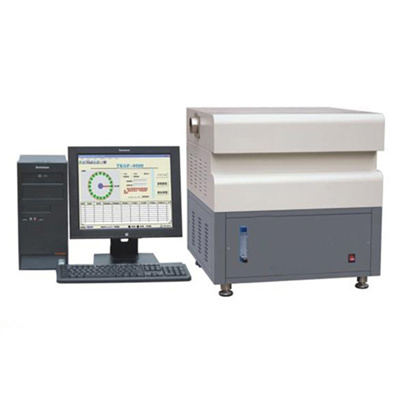
In various experimental and production scenarios involving heat measurement, the calorimeter plays a key role, and its measurement accuracy directly affects the reliability of the results. And calibrating the calorimeter is the core link to ensure the accurate operation of the instrument. The following is a detailed introduction to the calibration method.
Preparation before calibration
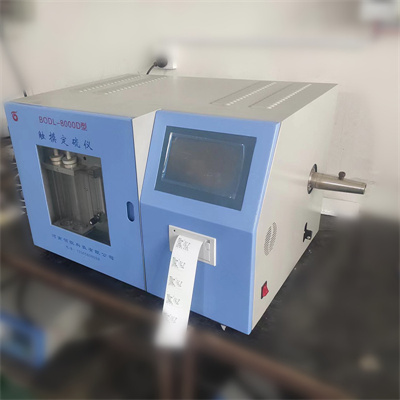
Before calibration, it is necessary to ensure that the calorimeter is in a stable state and placed in an environment without vibration and suitable temperature and humidity to avoid external factors. At the same time, prepare standard materials such as high-purity benzoic acid, and the standard materials need to be certified by authoritative organizations to ensure that their calorific value is accurate. In addition, check the various components of the calorimeter, such as oxygen bombs, stirrers, temperature probes, etc., to ensure that there is no damage, no dirt, and to ensure the normal operation of the instrument.
The core steps of correction
1. Sampling and installation: Put the accurately weighed standard benzoic acid into the crucible, place the crucible in the oxygen bomb, connect the ignition wire to ensure good contact. Then load the oxygen bomb into the main body of the calorimeter, connect the oxygen bomb electrode, and close the instrument cover.
2. Parameter setting and start-up: According to the calorific value of the standard material, accurately set relevant parameters on the operation interface of the calorimeter, including sample quality, heat capacity, etc. After confirming that it is correct, start the calorimeter, and the instrument will automatically complete the processes of ignition, stirring, and temperature measurement.
3. Data recording and calculation: After the calorimeter completes the measurement, record the temperature rise data. According to the formula, combined with the calorific value of the standard material, the quality of the sample, the heat capacity of the instrument and other parameters, calculate the measured heat capacity of the calorimeter. Compare the calculation results with the nominal heat capacity of the instrument. If the deviation exceeds the allowable range, it needs to be adjusted.
Verification and maintenance after calibration
After the calibration is completed, it is necessary to use the reference material again for verification, and repeat the above steps until the deviation between the measurement results and the standard value is within the specified range, which means the calibration is successful. In daily use, the calorimeter should be regularly maintained to keep the instrument clean, and the performance of key components should be checked regularly to ensure that the instrument is always in good working condition to ensure the measurement accuracy.
Mastering the scientific calibration method of calorimeter can not only improve the accuracy of measurement data, but also provide reliable guarantee for experimental and production work, and help to carry out various tasks efficiently.
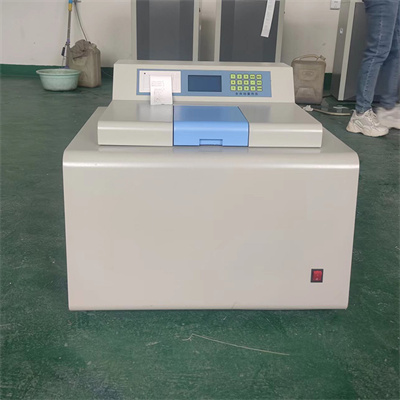 How to read calorimeter data
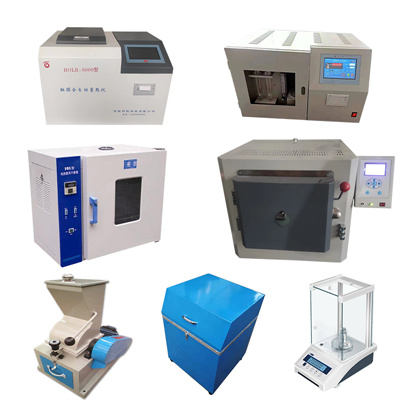 What is the design principle of a calorimeter?
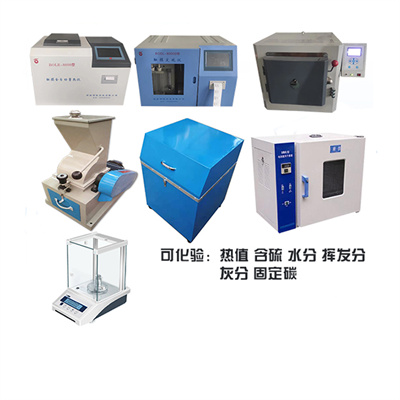 What is the harm of lack of water in the calorimeter?
 What is the input interface of the calorimeter?