How to convert a calorimeter
In scenarios such as energy detection and chemical experiments, calorimeters are the core equipment for accurately measuring the heat of substances, and mastering the calorimeter conversion method is the key to ensuring accurate detection results. The following are the core steps for everyone to disassemble the conversion, which are simple and easy to understand.
First, clarify the core conversion formula
The core conversion of the calorimeter revolves around the heat value. The core formula is: heat value (Q) = specific heat capacity of water (C) × mass of water (m) × temperature change value (Delta T). Among them, the specific heat capacity of water is a fixed value of 4.186J/(g · ℃). The quality of water needs to be accurately measured according to the actual water volume of the inner cylinder of the calorimeter. The temperature change value is the highest temperature difference of the inner cylinder water before and after the experiment. The accuracy of these three parameters directly determines the conversion result.
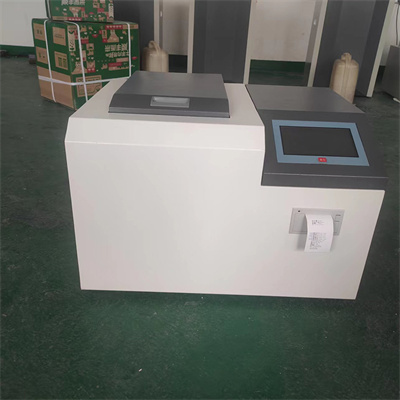
Second, master the key steps of conversion
1. Calibration of basic parameters: Before the experiment, calibrate the temperature measurement system of the calorimeter to ensure that the temperature sensor is free of deviation, and at the same time confirm that the water volume of the inner cylinder meets the requirements of the equipment to avoid conversion errors due to water volume errors.
2. Record the core data: After igniting the sample to be tested, record the initial and maximum temperatures of the inner cylinder water in real time, accurately calculate the temperature difference, and check the water quality data to avoid recording errors.
3. Substitute formula calculation: Substitute the calibrated parameters into the formula to calculate the total heat released by the sample. If you need to convert units (such as kJ to MJ), you only need to convert 1MJ = 1000kJ, which is easy to operate.
III. Avoid common mistakes in conversion
The first is to ignore the ambient heat loss, which needs to be corrected in combination with the heat loss coefficient of the calorimeter during calculation; the second is that the sample weighing is inaccurate, and a high-precision balance is required to ensure that the sample quality error is controlled within 0.1%; the third is that the equipment is not calibrated, and the calorimeter calibration must be completed before the experiment to ensure the accuracy of the parameters.
As long as the formula is memorized and the operation is standardized, the calorimeter conversion can be easily completed, providing reliable data support for various types of testing work.
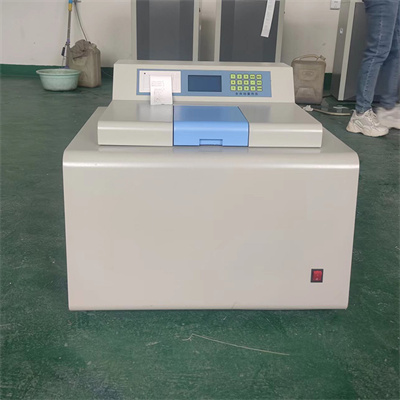 How to read calorimeter data
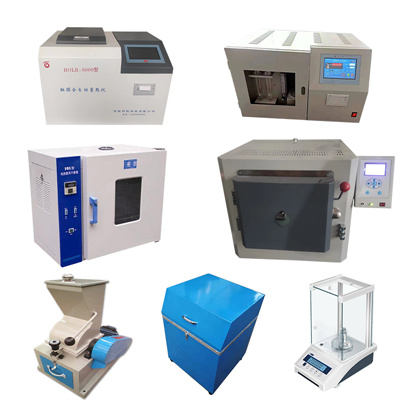 What is the design principle of a calorimeter?
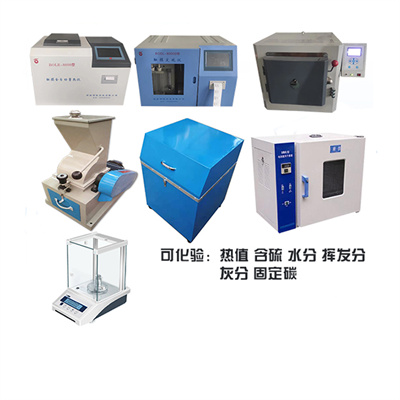 What is the harm of lack of water in the calorimeter?
 What is the input interface of the calorimeter?