How to set the calorimeter
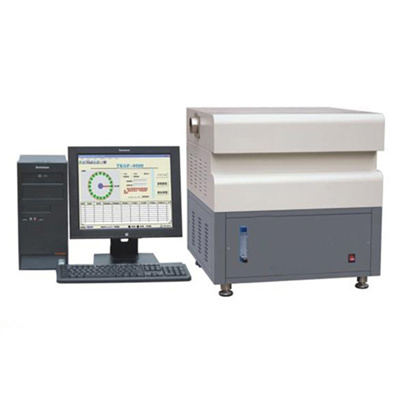
As a core device for accurately measuring the heat of substances, calorimeters are widely used in chemical, energy, scientific research and other fields. Mastering its setting method is the key to ensuring the accuracy of experimental data. The following will disassemble the setting steps of calorimeters in detail from four aspects: basic preparation, parameter configuration, calibration process and operation points.
First, the basic preparation before setting
Before starting the calorimeter setting, it is necessary to complete the inspection of the environment and equipment. Make sure that the laboratory temperature is stable at 15-30 ° C, avoid direct sunlight or strong electromagnetic interference, and prevent temperature fluctuations from affecting the measurement accuracy. At the same time, check whether the appearance of the calorimeter is in good condition, the power connection is normal, the inner cylinder and outer cylinder have no residual impurities, and prepare the matching oxygen bomb, ignition wire, standard benzoic acid and other consumables.
Second, accurate configuration of core parameters
Parameter configuration is the core link of calorimeter setting. After booting, enter the device operation interface and focus on configuring the following parameters:
1. Sample quality setting: According to the type of sample to be tested, accurately weigh and input the sample quality, usually controlled at 0.8-1 g to ensure that the sample is fully burned in the oxygen bomb.
2. Ignition temperature threshold: According to the ignition point of the sample, set the ignition temperature, usually 18-25 ° C, to avoid ignition failure or insufficient combustion.
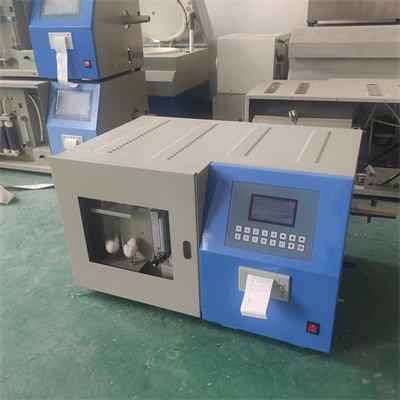
3. Test mode selection: According to the experimental needs, choose the "quick test" or "precision test" mode. In the precision test mode, the constant temperature time needs to be extended to improve data stability.
III. Key calibration processes are essential
Calibration is a necessary step to ensure the accuracy of the measurement of the calorimeter. Before calibration, the heat capacity calibration is carried out with standard benzoic acid. The specific process is as follows: After pressing the standard benzoic acid tablet, load the oxygen bomb, fill it with 2.8-3 MPa oxygen, put it into the inner cylinder of the calorimeter, and start the calibration procedure. After the calibration is completed, the system will automatically record the heat capacity value. If the deviation exceeds ± 0.2%, it needs to be recalibrated. In addition, every time the oxygen bomb is replaced or the ambient temperature changes by more than 5 ° C, it needs to be recalibrated.
IV. Precautions during operation
During the setting and operation of the calorimeter, the following points should be noted:
1. Oxygen bomb seal inspection: Check whether the oxygen bomb seal ring is in good condition before oxygenation, and ensure that there is no air leakage after oxygenation to avoid oxygen leakage affecting the experimental results during combustion.
2. Inner cylinder water volume control: The inner cylinder water volume needs to be added in strict accordance with the requirements of the equipment manual, usually 2000-2500mL. Too much or too little water volume will affect the heat transfer efficiency.
3. Data recording and review: After the test is completed, record the measurement data in a timely manner and review the data. If there is a large deviation in the data, a new test is required to ensure that the data is true and reliable.
Mastering the setting method of the calorimeter can not only improve the experimental efficiency, but also ensure the accuracy of the experimental data. By following the above steps, the setting of the calorimeter can be easily completed, providing strong support for subsequent experiments.
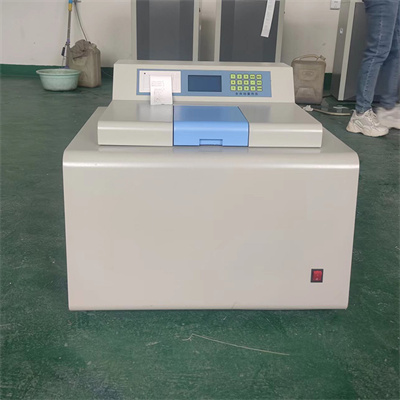 How to read calorimeter data
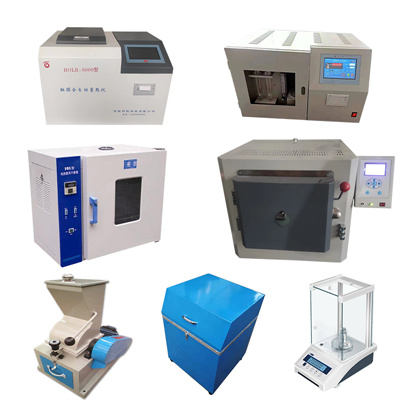 What is the design principle of a calorimeter?
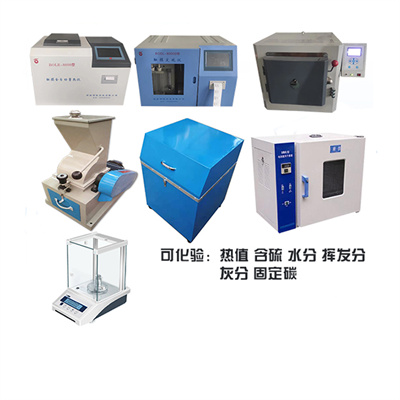 What is the harm of lack of water in the calorimeter?
 What is the input interface of the calorimeter?