How to calibrate a calorimeter
Preliminary preparation: Lay the foundation for the number of schools
Before calibrating the calorimeter, be sure to be fully prepared. First, make sure that the appearance of the calorimeter is intact, without damage or dust accumulation, and that the components are firmly connected to avoid loose parts affecting the calibration results. At the same time, prepare professional calibration tools, such as standard weights, temperature calibrators, etc. These tools need to be metrological certified to ensure that their accuracy meets requirements. In addition, you need to consult the instruction manual of the calorimeter to familiarize yourself with its operation process and calibration parameters to provide clear guidelines for subsequent calibration work.
Calibration environment control: ensure accurate calibration
The calibration of the thermometer has strict environmental requirements. The ambient temperature should be stable within the operating temperature range specified by the thermometer, generally controlled at 20 ° C to 25 ° C. Excessive temperature fluctuations will lead to changes in the performance of the internal components of the thermometer and affect the measurement accuracy. Humidity also needs to be controlled within a certain range to avoid excessive humidity causing moisture inside the instrument and causing short circuits and other failures. In addition, the calibration environment should be kept clean and free of strong electromagnetic interference to prevent external factors from interfering with the normal operation of the thermometer and ensure the accuracy and reliability of the calibration results.
Core Calibration Steps: The Key to Precise Operation
1. Zero calibration: Turn on the thermometer, wait for it to warm up and stabilize, and enter the zero calibration interface. At this time, make sure that the thermometer does not place any samples, and follow the operation prompts to perform zero calibration operations, so that the thermometer shows zero in the no-load state, eliminating system errors and laying an accurate foundation for subsequent measurements.
2. Range calibration: Use standard weights or standard samples to calibrate the range of the thermometer. According to the range of the thermometer, select the standard weights of the appropriate specifications and place them in the measurement position in turn to observe whether the value displayed by the thermometer is consistent with the standard value. If there is a deviation, fine-tune the range through the calibration adjustment function of the thermometer until the displayed value matches the standard value to ensure that the thermometer measures accurately within the entire range.
3. Temperature calibration: With the help of a temperature calibrator, calibrate the temperature measurement system of the thermometer. Connect the temperature calibrator to the temperature sensor of the thermometer, set different temperature points, and compare the temperature displayed by the thermometer with the temperature set by the calibrator. If there is an error, adjust the temperature parameters according to the calibration instructions of the thermometer to ensure the accuracy of temperature measurement.
Post-School Verification and Documentation: Ensuring the Effectiveness of School Volume
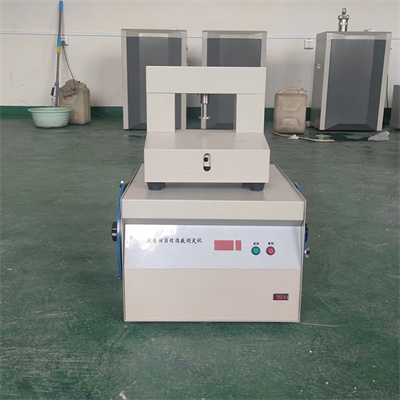
After the calibration is completed, the thermometer needs to be verified. Multiple measurements are made using samples with known standard values to observe the repeatability and accuracy of the measurement results. If the measurement results are stable and the deviation from the standard value is within the allowable range, the calibration is successful. At the same time, the calibration process is recorded in detail, including the calibration time, calibration personnel, calibration parameters, calibration results and other information, and a complete calibration file is established, which is convenient for follow-up inquiry and traceability, providing a strong guarantee for the long-term stable operation of the thermometer.
 How to read calorimeter data
 What is the design principle of a calorimeter?
 What is the harm of lack of water in the calorimeter?
 What is the input interface of the calorimeter?