How to Choose a Calorimeter
In many fields such as scientific research experiments and industrial production, calorimeters play a crucial role, as they can accurately measure the heat change during the reaction of substances. However, there are many types of calorimeters on the market, and how to choose the right calorimeter has become a difficult problem for many people. Here are the key points for choosing a calorimeter in detail.
Clear usage requirements
Before choosing a calorimeter, you must first clarify your own usage requirements. If it is used for scientific research experiments, the accuracy requirements are extremely high, and a calorimeter with high resolution and high stability needs to be selected to meet the accurate acquisition of complex experimental data. If it is used for routine inspection in industrial production, the detection efficiency and durability of the calorimeter need to be considered to ensure that it can adapt to high-intensity and long-term work rhythms.
Consider accuracy and resolution
Accuracy and resolution are the core indicators for measuring the performance of a calorimeter. Accuracy determines how close the measurement result is to the true value, and resolution reflects the instrument's ability to identify small heat changes. Generally speaking, the accuracy of scientific research-grade calorimeters can reach ± 0.1% or even higher, and the resolution can reach the micro-joule level. When purchasing, according to the experiment or detection of the fineness of heat measurement, it is necessary to reasonably choose products with high accuracy and resolution.
Focus on functionality and compatibility
Different application scenarios have different requirements for the function of the calorimeter. Some calorimeters have functions such as automatic temperature control, real-time data acquisition and analysis, and multi-mode measurement, which can greatly improve work efficiency. At the same time, the compatibility of the calorimeter with existing experimental equipment or systems should be considered to ensure that it can be seamlessly integrated into the workflow and avoid affecting the use due to compatibility issues.
Evaluate brand and after-sales
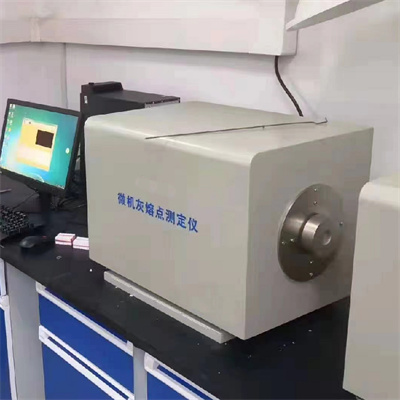
Choosing a calorimeter from a well-known brand is more guaranteed in terms of product quality, performance stability and technical support. Well-known brands usually have mature production processes and strict quality inspection systems to ensure product quality. In addition, perfect after-sales services are also crucial, including equipment installation and commissioning, training guidance, maintenance, etc., which can solve problems encountered during use in a timely manner and make use more secure.
Consider the budgeted cost
The price of calorimeters varies greatly due to factors such as brand, performance, and function. When purchasing, you should combine your own budget and choose the most cost-effective product under the premise of meeting your needs. You can't pursue high-end blindly, and you can't ignore quality and performance because of your greed for cheap. You must find a balance between budget and demand.
In short, the choice of a calorimeter requires comprehensive consideration of various factors such as usage requirements, accuracy resolution, functional compatibility, brand after-sales and budget costs. Only by comprehensive weighing can we choose the calorimeter that best suits our own needs and provide strong support for scientific research and production.
 How to read calorimeter data
 What is the design principle of a calorimeter?
 What is the harm of lack of water in the calorimeter?
 What is the input interface of the calorimeter?