How to improve the calorimeter
In the fields of energy, chemical industry, and scientific research, calorimeters are the core equipment for measuring the heat of substances, and their performance directly affects the accuracy of the test results. To maximize the effectiveness of the calorimeter, you need to make accurate efforts from multiple dimensions. The following practical methods can help you quickly improve the performance of the calorimeter.
Precise calibration to build a solid foundation for testing
Calibration is a prerequisite for the accurate operation of a calorimeter. Regularly calibrating the instrument with standard materials can correct system errors in time. For example, using a standard sample of benzoic acid with known calorific value, calibration is carried out strictly according to the operation procedure to ensure that the measured value of the instrument is highly consistent with the standard value. At the same time, pay attention to the influence of ambient temperature on calibration, keep the laboratory temperature stable, avoid calibration deviations caused by temperature fluctuations, and lay a solid foundation for subsequent testing.
Standardize operation to avoid human error
Standardized operation is the key to improving the stability of the calorimeter. Operators need to be proficient in the operation process, from sample preparation to instrument start-up, every step must strictly follow the standards. Sample weighing should be accurate to ensure that the weight meets the requirements of the instrument range; sample loading process should avoid sample spilling and ensure complete combustion of the sample. In addition, during operation, human interference should be reduced, frequent contact with the instrument should be avoided, vibration should be prevented from affecting the detection results, and human error should be avoided from the source.
Technology upgrades to tap the potential of equipment
Following the development of technology, upgrading the calorimeter can greatly improve the detection efficiency and accuracy. On the one hand, upgrade the hardware system of the instrument, replace the high-precision sensor, and improve the instrument's ability to capture heat changes; on the other hand, introduce intelligent software to realize automatic data collection, analysis and storage, and reduce the error of manual data processing. At the same time, regular maintenance of the instrument and timely replacement of aging parts ensure that the instrument is always in the best operating condition and fully tap the potential of the equipment.
Optimize the process to improve inspection efficiency
Optimizing the testing process can significantly improve the efficiency of the calorimeter. Reasonable arrangement of sample testing sequence, centralized testing of samples with similar calorific value, reducing the time consumption of instrument preheating and cooling. At the same time, establish a standardized testing process, clarify the operation specifications and time nodes of each link, and avoid inefficiencies caused by process confusion. In addition, do a good job of preparation before testing, prepare samples, reagents and instruments in advance to ensure that the testing process is smooth and unobstructed, so that the calorimeter can operate efficiently.
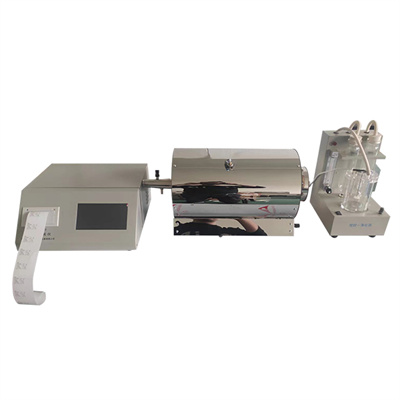
Improving the performance of a calorimeter is not achieved overnight, and requires continuous efforts in calibration, operation, technology, process, etc. Mastering these practical methods can not only improve the accuracy of test results, but also prolong the service life of the instrument, providing a solid guarantee for heat detection work in various industries.
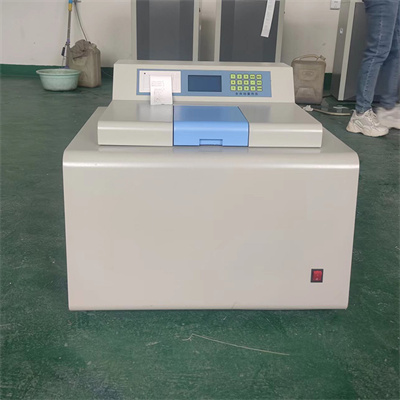 How to read calorimeter data
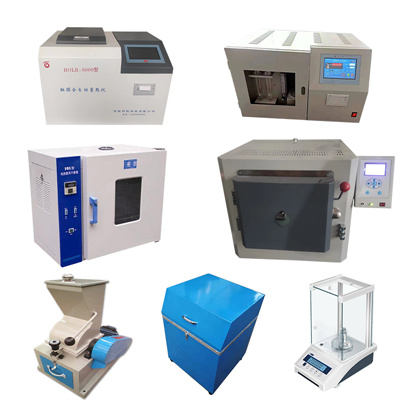 What is the design principle of a calorimeter?
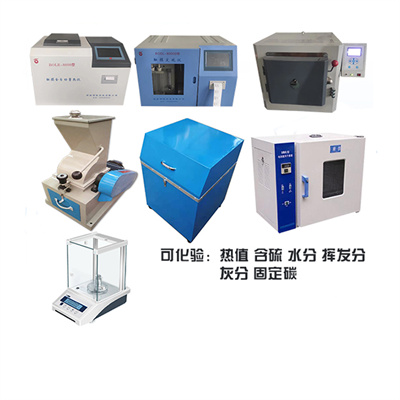 What is the harm of lack of water in the calorimeter?
 What is the input interface of the calorimeter?