How to change the water in the calorimeter?
Preparation
Before changing the water for the calorimeter, it is necessary to be fully prepared. Turn off the power of the calorimeter first to ensure safe operation and avoid the risk of electric shock. Prepare clean distilled or deionized water, the impure water quality will affect the accuracy of the measurement results. At the same time, prepare a clean rag and a suitable container for receiving water and cleaning.
drainage operation
Locate the tank drain port of the calorimeter, usually located at the bottom or side of the instrument. Connect the drain pipe to the drain port and put the other end into the prepared container. Open the drain valve to allow the water in the tank to drain slowly. During the drainage process, pay attention to the change of water volume. After the water is drained, close the valve. If there is an impurity blockage in the drain port, you can gently clean it with a soft bristle brush to ensure smooth drainage.
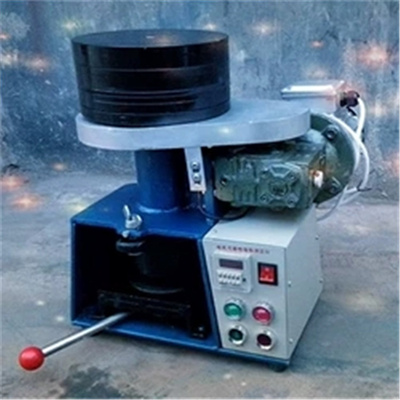
Clean water tank
After the water is drained, wipe the inner wall of the water tank with a clean rag to remove residual scale and impurities. For stubborn stains, use a small amount of neutral detergent and wipe with a soft cloth, but avoid detergent residues. After cleaning, rinse the water tank with clean water to ensure that no detergent remains, and then drain the residual moisture in the water tank.
Water addition operation
Slowly pour the prepared distilled water or deionized water into the calorimeter water tank. When adding water, pay attention to observe the water level scale to avoid adding too much water to overflow or too little to affect the operation of the instrument. Generally, the water tank has a water level marking line, and you can add water near the marking line. After adding water, close the lid of the water tank tightly to prevent dust from entering.
Inspection and debugging
After completing the water change, turn on the power supply of the calorimeter and turn it on to check the running status of the instrument. Check whether the water level is normal and whether the functions of the instrument are stable. If there is an abnormality, check the cause in time and contact a professional for maintenance if necessary. Through the above steps, the water change of the calorimeter can be successfully completed to ensure the accurate measurement of the instrument.
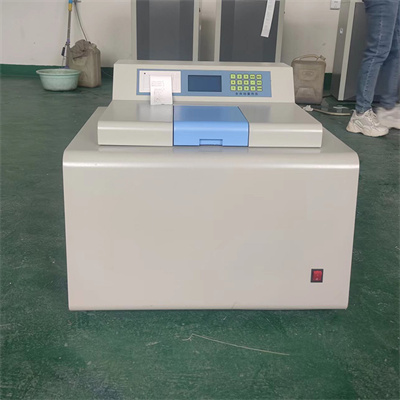 How to read calorimeter data
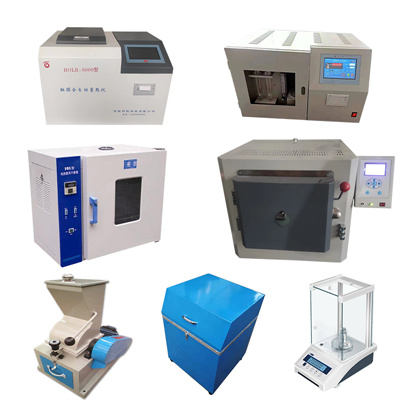 What is the design principle of a calorimeter?
 What is the harm of lack of water in the calorimeter?
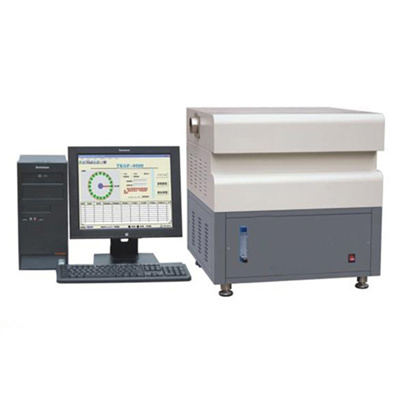 What is the input interface of the calorimeter?