Calorimeter calibration several times
In the laboratory testing of many industries such as coal and chemical industry, the accuracy of the calorimeter directly determines the reliability of the test results, and the calibration number is the core premise to ensure its accuracy. Many customers are often confused: how many times does the calorimeter need to be calibrated to be qualified?
First, the basic requirements for the number of routine calibration
According to the relevant testing specifications, before the newly purchased calorimeter is used for the first time, it must complete at least 3 consecutive calibrations, and the relative standard deviation of the 3 calibration results must be controlled within 0.2%. This is because the components of the new instrument are in the initial running-in state, and multiple calibrations can gradually eliminate system errors and allow the instrument to enter a stable working state. In daily use, if the instrument does not have obvious failures, it is recommended to calibrate once a quarter; if the test data fluctuates greatly, key components are replaced, or the ambient temperature and humidity change significantly, it is necessary to immediately re-calibrate to ensure the stable performance of the instrument.
II. The core basis for the calibration times
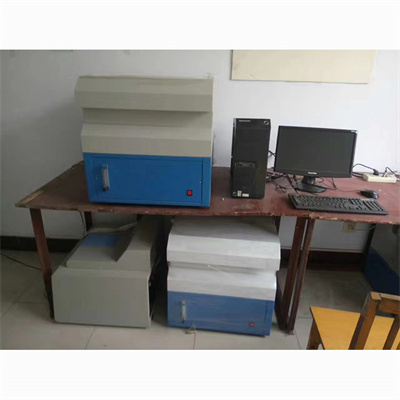
The number of calibrations is not arbitrarily determined, and the core basis is the stability and detection accuracy requirements of the instrument. The core components of the calorimeter, such as oxygen bombs and sensors, will experience performance degradation after long-term use. Multiple calibrations can be used to calibrate the instrument deviation in time by comparing the calorific value data of the standard material. At the same time, multiple calibrations can eliminate accidental errors in a single operation, such as the installation deviation of the ignition wire during the operation, the loose sealing of the oxygen bomb, etc. After multiple calibrations, the average value can be taken, which can greatly improve the accuracy of the detection results and avoid the distortion of the detection data due to single calibration errors.
III. Key operating points for standard calibration
To ensure that the calibration is effective, it is necessary to strictly follow the operating specifications. First, the qualified standard benzoic acid is selected, and its calorific value needs to be certified by an authoritative organization and within the valid period; secondly, the environmental conditions of each calibration need to be consistent, the temperature is controlled at 15-30 ° C, the humidity is controlled at 40% -60%, to avoid environmental factors affecting the calibration results; finally, strictly follow the instrument instructions to ensure that the oxygen bomb oxygenation pressure is stable at 2.8-3 MPa, and the data is recorded after the ignition is successful. After each calibration is completed, the instrument needs to be cleaned and maintained to prepare for the next calibration.
Mastering the calibration times and specifications of the calorimeter can not only ensure the accuracy of the test results, but also prolong the service life of the instrument. Whether it is the first calibration of a new instrument or the daily regular calibration, strictly follow the frequency requirements and operating specifications, so that the calorimeter can continue to play the role of accurate detection and build a solid data foundation for the laboratory work.
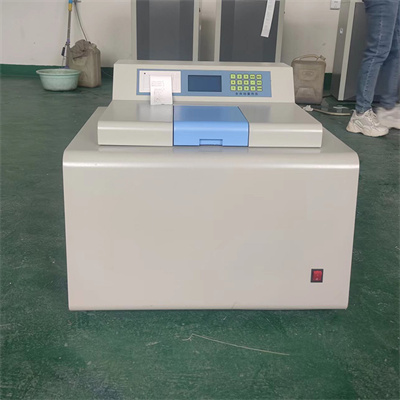 How to read calorimeter data
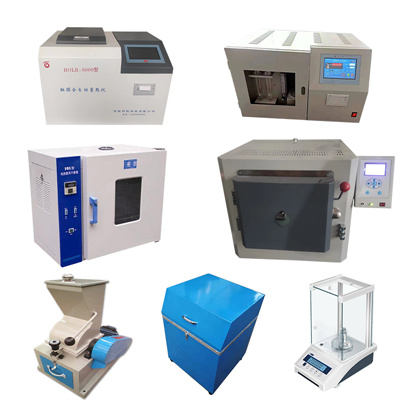 What is the design principle of a calorimeter?
 What is the harm of lack of water in the calorimeter?
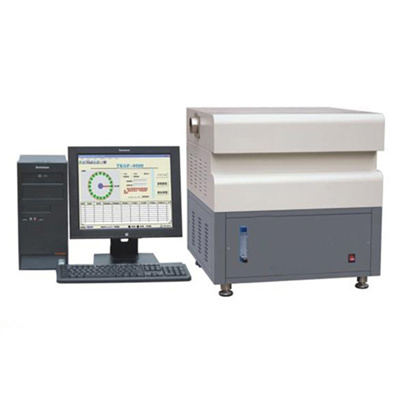 What is the input interface of the calorimeter?