How to discharge water from a calorimeter
Preparation before the calorimeter releases water
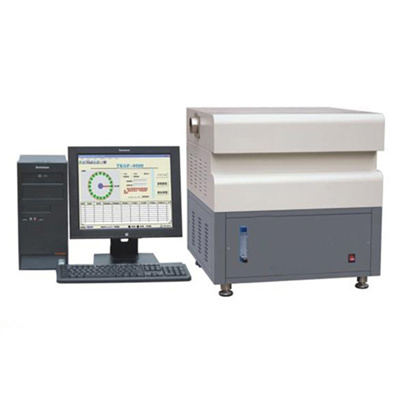
Before the water discharge operation of the calorimeter, be sure to be fully prepared. First of all, make sure that the calorimeter is in the shutdown state, cut off the power supply, and avoid the danger of electric shock during operation. At the same time, prepare clean wipes and containers for receiving the released water to prevent the water from spilling on the periphery of the instrument, causing damage to the equipment or slippery environment. You also need to carefully check the instructions of the calorimeter to clarify the specific location of the water discharge port. The location of the water discharge port of different models of calorimeters may vary. Operation according to regulations can ensure the smooth follow-up process.
Precise positioning of the drain
The water outlet of the calorimeter is generally located at a specific position at the bottom or side of the instrument. For common calorimeters, the water outlet will be equipped with a special valve or cock. If the water outlet is blocked, the blocking parts should be carefully removed first. When operating, the action should be gentle to avoid damage to the instrument shell or internal parts due to excessive force. For some high-end calorimeters, the water outlet may be hidden under the protective cover. When opening the cover, pay attention to operate according to the opening method of the cover to prevent improper operation from causing deformation of the cover and affecting the subsequent sealing.
Standardize the implementation of the water release process
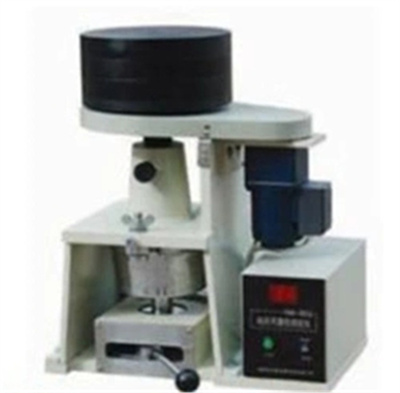
After finding the water outlet, place the prepared container directly below the water outlet, hold the water outlet valve or cock firmly, and open it slowly. The water discharge speed should not be too fast to prevent water from splashing out of the container. If the water flow is urgent, the valve opening degree can be adjusted appropriately to control the water flow size. During the water discharge process, pay close attention to the water level drop. When the water level drops below the lowest scale line, the valve can be closed. After the water discharge is over, wipe the water outlet and surrounding residual moisture with a wipe cloth to avoid water stains from corroding the instrument.
Inspection and maintenance after water release
After completing the water discharge operation, conduct a comprehensive inspection of the calorimeter. Check whether the valve of the water discharge port is closed tightly and whether there is any water leakage. If the valve is found to be not tightly sealed, the sealing gasket needs to be replaced in time. At the same time, clean up the surrounding environment of the instrument, properly dispose of the used wipes, and keep the operation area clean and tidy. In addition, regularly perform in-depth maintenance on the calorimeter, including cleaning the internal piping, checking the water level sensor, etc., to ensure that the calorimeter is always in the best operating condition, providing a reliable guarantee for accurate detection.
 How to read calorimeter data
 What is the design principle of a calorimeter?
 What is the harm of lack of water in the calorimeter?
 What is the input interface of the calorimeter?