How to operate a calorimeter
As a key equipment for accurately measuring the calorific value of substances, calorimeters are widely used in energy, chemical and other fields. Mastering the correct operation method is the core premise to ensure the accuracy of test results. The following is a detailed introduction to the operation process of calorimeters to help you get started quickly.
First, the preparations before the operation
Before operation, it is necessary to ensure that the calorimeter is in a stable state and placed on a horizontal, vibration-free workbench to avoid interference with the detection accuracy due to environmental factors. At the same time, check whether the power connection of the equipment is stable and whether the components (such as oxygen bombs, sensors, etc.) are intact. If any parts are aging or damaged, they need to be replaced in time. In addition, prepare the matching oxygen cylinder to ensure that the oxygen purity is up to standard and the pressure meets the equipment requirements. Generally, the pressure needs to be controlled within the specified range to provide sufficient oxygen for subsequent combustion.
Second, the correct handling and weighing of the sample
Sample processing directly affects the test results and needs to be operated according to the sample characteristics. Solid samples need to be ground to a uniform fine powder to ensure sufficient combustion; liquid samples need to ensure no precipitation and no impurities. The weighing process is crucial. Use a high-precision balance to accurately weigh the quality of the sample according to the equipment requirements. Usually the sample quality is within the specified range, and the error needs to be controlled within a very small range to avoid distortion of the test results due to the deviation of the sample volume. After weighing is completed, put the sample into the burning dish to ensure that it is placed firmly and prevent the sample from spilling during the burning process.
III. Assembly and testing of oxygen bombs
Put the combustion dish containing the sample into the oxygen bomb, install the ignition wire, ensure that the ignition wire is in full contact with the sample, and connect the electrode circuit at the same time. Subsequently, fill the oxygen bomb with a sufficient amount of oxygen, and the oxygenation time should be strictly carried out in accordance with the equipment instructions, generally for a certain period of time to ensure that the oxygen bomb is sufficient. After the oxygenation is completed, check the sealing of the oxygen bomb, through stress testing or observe whether there is any air leakage. If air leakage is found, the sealing parts need to be reassembled until the seal is good, so as to avoid insufficient combustion due to air leakage and affect the determination of calorific value.
IV. Device parameter setting and startup
Turn on the power supply of the calorimeter, enter the operation interface, and set the appropriate detection parameters according to the sample type and detection requirements, such as temperature calibration, detection time, etc. After the parameter setting is completed, put the oxygen bomb into the detection compartment of the calorimeter, close the compartment door, and ensure that the compartment door is tightly sealed. After confirming that all operations are correct, click the start button, and the device starts to automatically detect. During the detection process, pay close attention to the running status of the equipment. If there is an abnormal alarm, stop the detection immediately, check the cause of the failure, and restart it after troubleshooting.
Fifth, the finishing work after the inspection is completed
After the test, the device will automatically display the test results and record the data in time. After the oxygen bomb cools to room temperature, carefully remove the oxygen bomb to release the remaining oxygen to avoid danger caused by excessive pressure. Subsequently, clean up the residue in the burning dish, clean the oxygen bomb and related parts, keep the equipment clean, and prepare for the next test. Finally, turn off the power supply of the equipment and organize the operation area to ensure that the working environment is clean and orderly.
By mastering the above operation steps and strictly abiding by the operation specifications, you can skillfully use the calorimeter and obtain accurate test results. If you encounter any doubts during operation, it is recommended to consult the equipment manual or consult a professional in time to ensure operation safety and inspection quality.
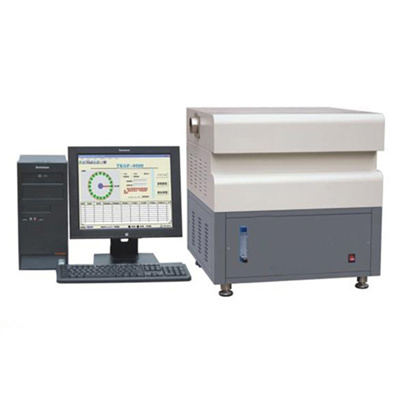
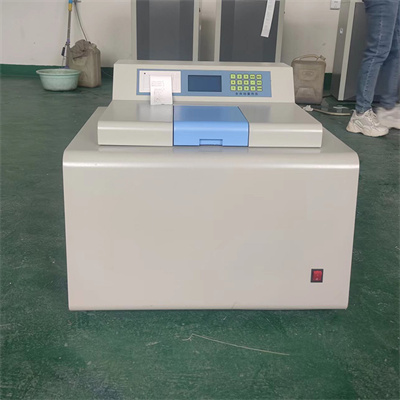 How to read calorimeter data
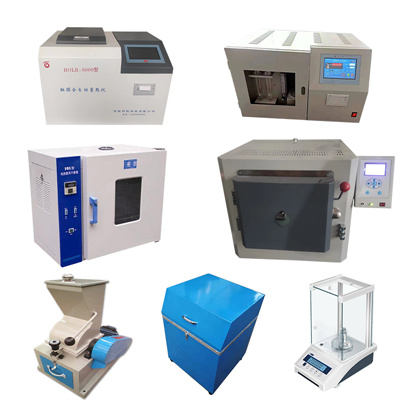 What is the design principle of a calorimeter?
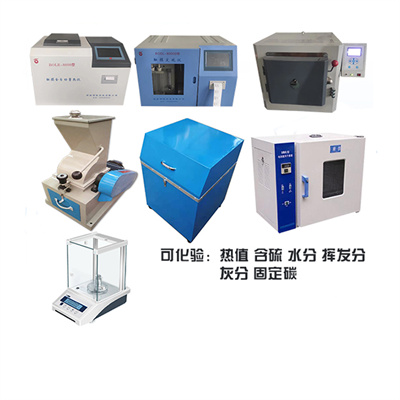 What is the harm of lack of water in the calorimeter?
What is the input interface of the calorimeter?
What is the harm of lack of water in the calorimeter?
What is the input interface of the calorimeter?