What does the calorimeter measure?
The core detection object of the calorimeter: combustion heat and calorific value
The calorimeter, as a key equipment in the field of energy detection, primarily detects the combustion heat and calorific value of a substance. The combustion heat refers to the heat released by the complete combustion of a unit mass of a substance, and the calorific value is the total heat released by the combustion of a fuel under specific conditions. The two are the core indicators for evaluating the quality of fuel. Taking coal as an example, by accurately measuring the calorimeter's calorific value, it can directly determine its utilization efficiency as an energy source, providing key data support for power plants, steel plants and other enterprises to rationally select coal and optimize combustion processes.
Key test indicators: calorific value and specific heat capacity
In addition to combustion heat, calorific value and specific heat capacity are also important detection contents of calorimeters. The calorific value reflects the energy density of the fuel, which directly affects the energy cost and utilization effect; the specific heat capacity is the heat required to increase the unit temperature per unit mass of the substance, which is of great significance for studying the thermal stability of the substance and designing the heat exchange system. In chemical production, accurate determination of the specific heat capacity of raw materials can optimize the control of reaction temperature, improve production efficiency and product quality.
Multiple application scenarios of calorimeter
Calorimeters are widely used in many fields such as energy, chemical industry, and building materials. In the energy industry, it is an essential tool for the quality inspection of fuels such as coal, oil, and natural gas; in the chemical industry, it is used to determine the thermal performance of raw materials and products to ensure production safety and stability; in the building materials industry, with the help of calorimeters to analyze the thermal insulation performance of thermal insulation materials, to help the development of green buildings. With accurate detection capabilities, calorimeters provide a solid guarantee for energy conservation, consumption reduction, and competitiveness in various industries.
Brief description of the working principle of calorimeter
The calorimeter is based on the principle of thermodynamics, and can accurately determine the relevant indicators by measuring the heat change during the combustion or reaction of substances. The common oxygen bomb calorimeter places the sample in a closed oxygen bomb to fully burn, uses water to absorb the released heat, and combines the temperature change with the heat capacity of the system to calculate the heat generation of the sample. This principle ensures the high accuracy and reliability of the detection results to meet the testing needs of different industries.
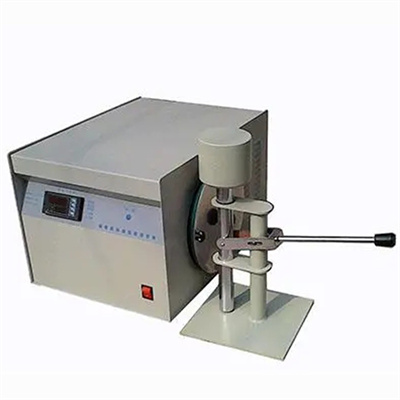
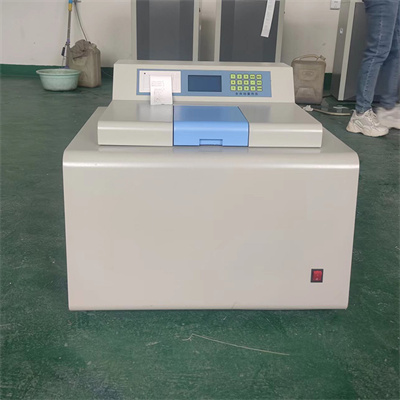 How to read calorimeter data
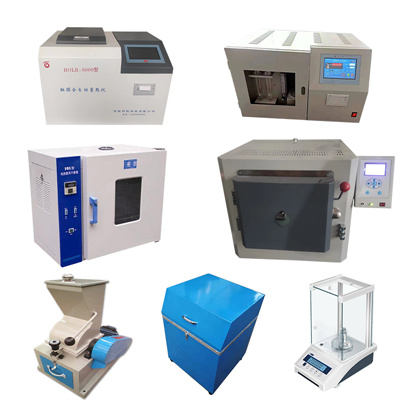 What is the design principle of a calorimeter?
 What is the harm of lack of water in the calorimeter?
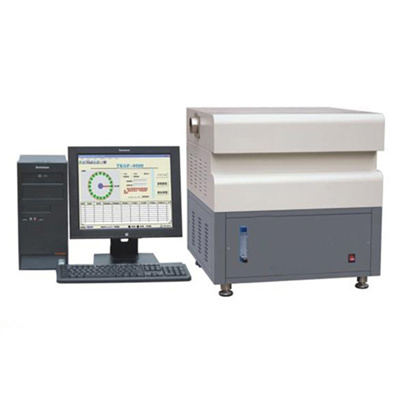 What is the input interface of the calorimeter?