How to Choose a Calorimeter
Clarify the detection requirements and anchor the selection direction
The first step in selecting a calorimeter is to accurately sort out its own testing needs. If the daily calorific detection of conventional solid and liquid samples is the main one, the basic general-purpose calorimeter can meet it; if it involves special samples, such as low calorific value biomass, high volatile substances, or needs to carry out high-precision scientific research and testing, it is necessary to choose a professional model that is suitable for special sample processing and has high-precision temperature control and data collection capabilities to avoid mismatch between equipment functions and needs, affecting the detection efficiency and accuracy of results.
Control the core accuracy and build a solid foundation for detection
Accuracy is the core indicator of a calorimeter, which directly determines the reliability of the test results. Focus on the heat capacity stability and temperature resolution of the equipment. The heat capacity fluctuation of a high-quality calorimeter needs to be controlled in a very small range, and the temperature resolution should reach the level of 0.0001 ° C. At the same time, it is necessary to confirm that the equipment has automatic temperature compensation and adaptive adjustment of the ambient temperature. Even in the case of small fluctuations in temperature and humidity in the laboratory, it can ensure the accuracy of the test data and meet the requirements of national standards and industry standards.
Consider the function configuration to improve the user experience
The function configuration directly affects the operation convenience and detection efficiency. Preference is given to models with automated operation functions, such as automatic ignition, automatic water injection and drainage, and automatic data collection and calculation, which can greatly reduce manual operation errors and work intensity. At the same time, pay attention to the sample adaptability of the equipment to confirm whether it is compatible with different specifications of oxygen bombs and adapts to various sample quantities. Some high-end models also have functions such as data storage, network export, and abnormal alarm, which can be reasonably selected according to the actual detection frequency and data management needs.
Identify brand after-sales to ensure long-term use
Calorimeters are precision instruments, and brand strength and after-sales services are crucial. Priority is given to regular brands with good reputation and mature technology in the industry. The products of such brands have undergone strict quality inspection, the durability of core components is strong, and the stability of the equipment is more guaranteed. At the same time, it is necessary to understand the after-sales policy in detail, including equipment installation and commissioning, operation training, quality assurance period, fault repair response speed, etc. Perfect after-sales can solve the problems in the use process in time, avoid equipment failure affecting normal testing work, and escort long-term stable use.
Focus on compliance qualifications to ensure compliance operations
When selecting, you must confirm that the equipment has compliance qualifications, check whether the product has passed the relevant certification, whether the testing accuracy meets the relevant national standards, and whether the calibration certificates randomly equipped are complete. A compliant calorimeter can not only ensure the authority of the test results, but also meet the compliance requirements such as laboratory qualification certification and industry supervision. Avoid the test results not being recognized due to incomplete equipment qualifications, which will affect the normal development of business.
 How to read calorimeter data
 What is the design principle of a calorimeter?
 What is the harm of lack of water in the calorimeter?
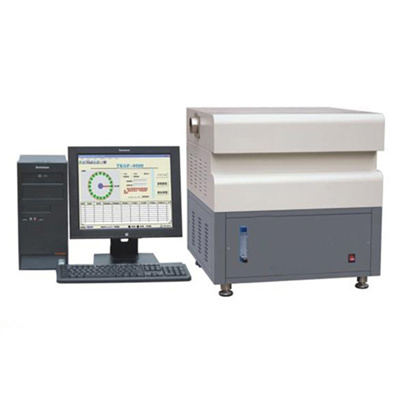 What is the input interface of the calorimeter?