Calorimeter ignition reason
As a key device for accurately measuring the heat of matter, calorimeters are widely used in energy, chemical industry, scientific research and other fields. Its ignition process is the core step to ensure the accuracy of the experiment. Once the ignition is abnormal, it will directly affect the experimental results. Below, we will deeply analyze the ignition reasons of calorimeters.
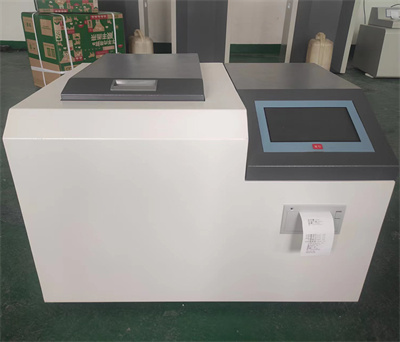
Fundamentals of ignition principle
The ignition of a calorimeter is mainly based on the principle of electric spark ignition. There are ignition electrodes inside the instrument. When a high voltage is applied, an electric spark will be generated between the electrodes, instantly igniting the sample. This process depends on a stable voltage supply and precise electrode spacing. Any deviation in the ring can lead to ignition failure.
Common causes of ignition failure
1. Electrode problem: After the electrode is used for a long time, the surface will become blunt due to oxidation and carbon deposition, and the strength of the electric spark will weaken, making it difficult to ignite the sample. At the same time, if the electrode spacing changes due to loosening or deformation, it will also affect the ignition effect.
2. Abnormal voltage: The power supply voltage is unstable, which will lead to insufficient ignition voltage and the inability to generate sufficient energy sparks. In addition, the aging of the ignition line and poor contact will also block the voltage transmission.
3. Sample factors: Excessive water content, uneven particle size or tight filling of the sample will affect the combustion efficiency and make ignition difficult. For example, humid samples will absorb a lot of heat, making it difficult for the ignition temperature to reach the ignition point.
Key conditions to ensure successful ignition
To ensure the smooth ignition of the calorimeter, it is necessary to maintain the electrodes regularly, keep them clean and sharp, and calibrate the electrode spacing. At the same time, stabilize the power supply voltage, check the ignition circuit, and ensure that the circuit is smooth. During the sample preparation process, strictly control the sample humidity and particle size, and standardize the filling operation to create good conditions for ignition.
Knowing the ignition cause of the calorimeter can not only solve the ignition failure in time, but also improve the experimental efficiency and accuracy, and provide reliable data support for scientific research and production.
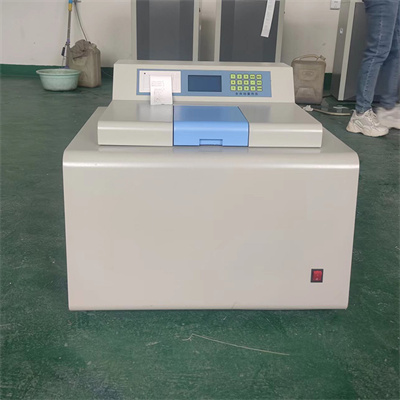 How to read calorimeter data
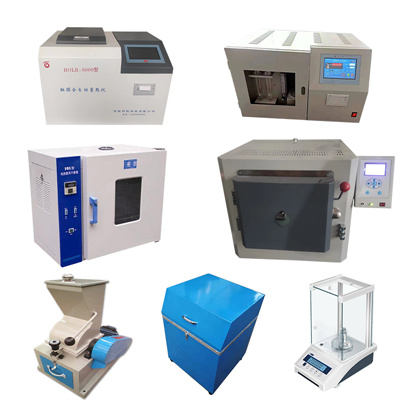 What is the design principle of a calorimeter?
 What is the harm of lack of water in the calorimeter?
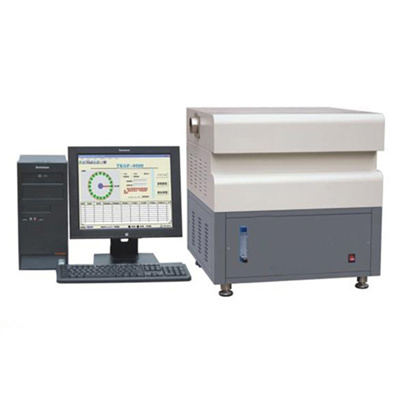 What is the input interface of the calorimeter?