How to calibrate the calorimeter
First, the importance of calorimeter calibration
Calorimeters are used to accurately measure the heat of processes such as material combustion, and the accuracy of their measurement data is crucial to experimental results and production quality control. If the calorimeter is not properly corrected, it will lead to deviations in heat data, affecting scientific research conclusions and production decisions. Therefore, regular correction is essential.
II. Preparations before calibration
1. Environmental requirements: Ensure that the laboratory temperature is stable at 15-30 ° C and the humidity is controlled at 40% -80% to avoid environmental factors interfering with the correction results.
2. Standard material preparation: Standard benzoic acid with high purity and good stability that has been certified by the state is selected. Its calorific value is known and accurate, and it is the key material for calibrating the calorimeter.
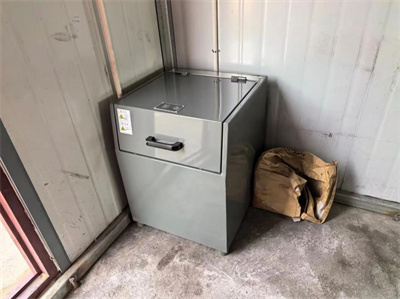
3. Instrument inspection: Check whether the components of the calorimeter are in good condition, whether the oxygen bomb seal is in good condition, and whether the ignition device and temperature measurement system can work normally to ensure that the instrument is in a correctable state.
III. Specific correction steps
1. Instrument preheating: Turn on the power supply of the calorimeter and preheat for 30 minutes to stabilize the internal temperature of the instrument and achieve the best working condition of each component.
2. Weigh the reference material: Use a high-precision balance to accurately weigh a certain amount of standard benzoic acid, with a quality accurate to 0.1mg, and record the weighing quality.
3. Sampling and installing oxygen bombs: Put the weighed benzoic acid into the crucible, place the crucible in the oxygen bomb, install the ignition wire, ensure that the ignition wire is in good contact with the benzoic acid, and then install the oxygen bomb and fill it with an appropriate amount of oxygen.
4. Put in the calorimeter and start it: Put the oxygen bomb into the inner cylinder of the calorimeter, connect the ignition electrode, start the calorimeter, and the instrument will automatically measure and record the temperature change data of the combustion process.
5. Calculate the correction factor: According to the known calorific value of the standard benzoic acid and the data obtained by the instrument measurement, the correction factor of the calorimeter is calculated according to the formula. The correction factor is used to correct the subsequent actual sample measurement results to ensure the accuracy of the data.
IV. Verification after calibration
After the calibration is completed, another reference material with known calorific value is used to verify the measurement. If the measurement result deviates from the known calorific value within the allowable range, the correction is successful; if the deviation is too large, the correction process needs to be re-checked to troubleshoot the problem and correct again to ensure that the calorimeter is always in an accurate measurement state.
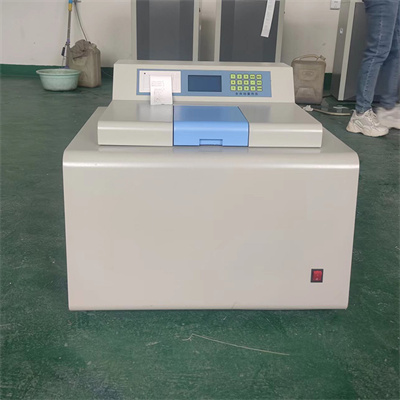 How to read calorimeter data
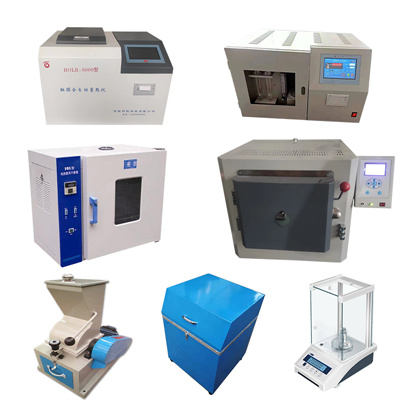 What is the design principle of a calorimeter?
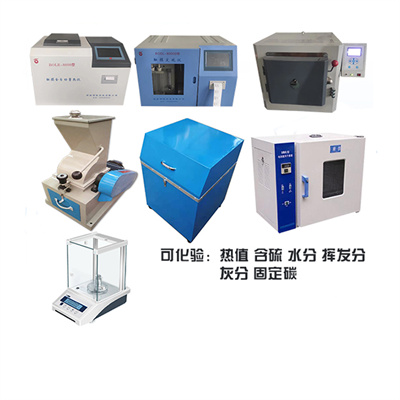 What is the harm of lack of water in the calorimeter?
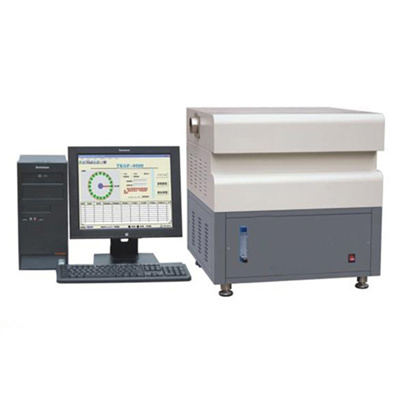 What is the input interface of the calorimeter?