The reason why the calorimeter is scrapped
In laboratory testing, a calorimeter is a key device for accurately measuring the heat of a substance. However, with the increase in use time or improper operation, the calorimeter will inevitably face the dilemma of being scrapped. Understanding the reasons for its scrapping is essential to prolong the life of the equipment and ensure the detection accuracy. The following is your detailed analysis.
Core component wear and tear
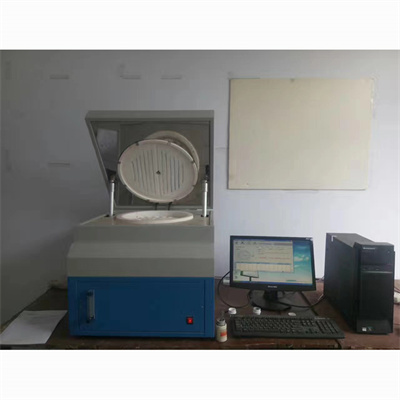
The core components of the calorimeter, such as the heating module, temperature sensor, stirring device, etc., are in high-frequency operation for a long time, and are prone to loss and aging. If the heating module continues to work, the resistance wire will gradually oxidize and break, resulting in a decrease in heating efficiency and an inability to stabilize the temperature required for the experiment. If the temperature sensor is exposed to high temperature and corrosive substances for a long time, the accuracy will be greatly reduced, and the temperature data cannot be accurately fed back, which will seriously affect the detection results. Once these core components age beyond repair, the calorimeter can only be scrapped.
Failure caused by improper operation
Irregular operation is an important incentive for the calorimeter to be scrapped. Some operators do not use the equipment strictly according to the operation process, for example, start the experiment directly when the instrument is not preheated, and the instantaneous high current shock will damage the heating element; or forcibly open the sample compartment during the operation of the stirring device, resulting in deformation and stuck stirring paddle. In addition, if the sample residue is not cleaned up in time after the experiment, corrosive substances will erode the internal parts of the instrument, accelerate the damage of the equipment, and accumulate for a long time, the calorimeter malfunctions frequently, and eventually leads to scrap.
Environmental factors affect the lifespan of equipment
The calorimeter has strict requirements on the working environment, and the harsh environment will accelerate the scrapping of the equipment. If the humidity in the laboratory exceeds the standard for a long time, the electronic components inside the instrument are prone to moisture short circuit, causing circuit failure; if the temperature fluctuates too much, the instrument components will expand and contract with heat, and the connection will be loose and the seal will fail, which will affect the stability of the equipment. At the same time, if there is too much dust in the laboratory, the dust will enter the inside of the instrument and accumulate in the sensor, heat dissipation hole and other parts, which will not only affect the heat dissipation, but also interfere with the normal operation of the components, greatly shortening the service life of the calor
Lack of regular maintenance and upkeep
Neglecting daily maintenance and regular maintenance is the key reason for the early scrapping of the calorimeter. If the equipment is not cleaned for a long time, dust and stains will block the heat dissipation channel and cause the instrument to overheat; if the key components are not regularly calibrated, the accuracy of temperature sensors, pressure sensors and other components will gradually be inaccurate, unable to meet the testing needs. In addition, the lack of timely replacement of wearing parts, such as aging of the sealing ring, bearing wear, etc., will lead to the decline of the instrument's tightness, operation cards, and the accumulation of minor problems, eventually leading to the overall failure of the equipment, which can only be scrapped.
Overdue service and technical obsolescence
Even if the daily maintenance of the calorimeter is in place, there is a certain service life. After the designed service life, the core performance of the equipment will continue to decline, the detection accuracy cannot meet the experimental requirements, and the maintenance cost will rise sharply. Continued use not only affects the experimental results, but also poses potential safety hazards. At the same time, with the continuous progress of detection technology, the new calorimeter far exceeds the old equipment in terms of accuracy, efficiency and intelligence. The old calorimeter cannot be adapted to the new detection needs due to backward technology, and can only be scrapped.
In short, the scrapping of the calorimeter is the result of a combination of factors such as core component loss, improper operation, environmental impact, lack of maintenance and technical iteration. Understanding these reasons, standardizing operation, doing daily maintenance, and optimizing the working environment can effectively prolong the service life of the calorimeter and ensure the efficient development of testing work.
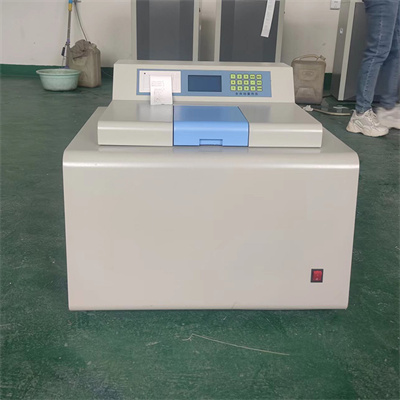 How to read calorimeter data
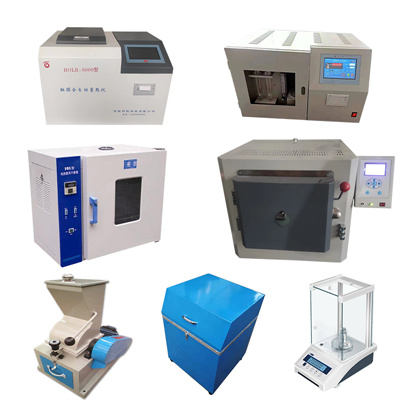 What is the design principle of a calorimeter?
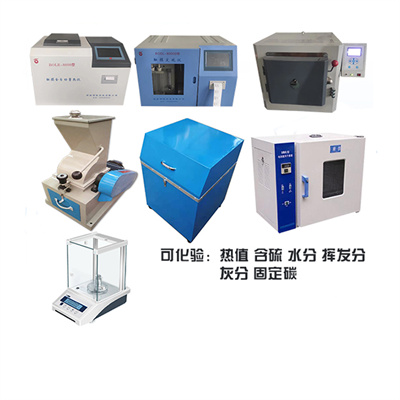 What is the harm of lack of water in the calorimeter?
 What is the input interface of the calorimeter?