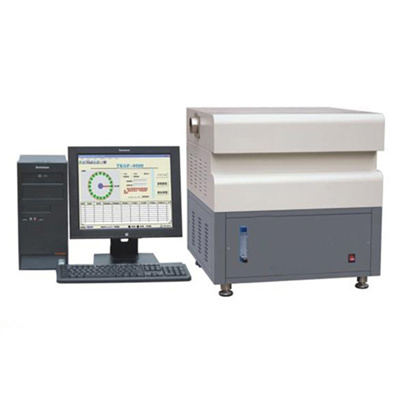
Several miniature calorimeters
Miniature calorimeters are the core instruments in the field of thermal analysis. They are widely used in material research and development, energy testing, and other scenarios due to their small size and accurate detection. They provide key heat data support for scientific research and production.
Types and characteristics of mainstream mini calorimeters
1. Differential Scanning Calorimeter (DSC): It can accurately detect the heat changes of samples during heating and cooling, and can determine key parameters such as melting point and glass transition temperature. It is suitable for polymer materials, drug research and development, and other fields. It is one of the most widely used types of mini calorimeters.
2. Adiabatic calorimeter: Adopts an adiabatic design to minimize external heat interference, and focuses on high-precision heat measurement. It is often used for chemical reaction heat and fuel calorific value detection, especially for scientific research scenarios that require extremely high data accuracy.
3. Constant temperature miniature calorimeter: By maintaining a constant temperature environment, it can stably capture the change of sample heat, which is easy to operate and highly stable. It is mostly used for the thermal performance testing of conventional materials and is suitable for the daily testing needs of small and medium-sized laboratories.
Core working principle of miniature calorimeter
The core logic of the micro calorimeter is to accurately capture the heat difference between the sample and the reference object, and convert the heat signal into quantifiable data through the temperature sensor and heat compensation system. The instrument will record the heat change curve in real time according to the preset temperature program, and finally output key parameters such as enthalpy and specific heat capacity, providing a direct basis for material performance analysis.
Key application scenarios of miniature calorimeter
In the field of materials, it can detect the thermal stability of new materials and help screen high-quality formulas; in the energy industry, it can accurately determine the calorific value of fuels and control energy quality; in pharmaceutical research and development, it can analyze the heat changes of drug crystal transformation to ensure drug stability. With the advantages of high efficiency and accuracy, miniature calorimeters have become an indispensable testing tool in laboratories, providing core data support for technological breakthroughs in various industries.
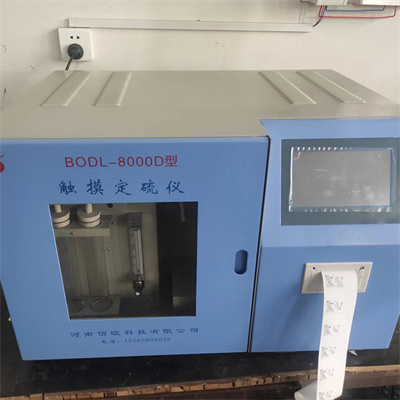
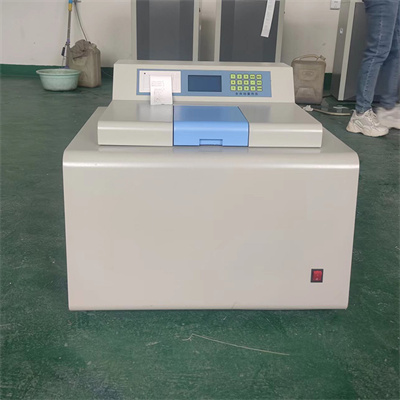 How to read calorimeter data
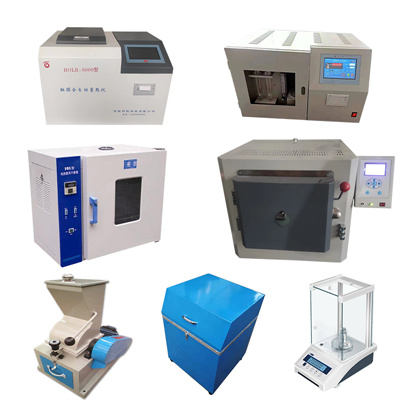 What is the design principle of a calorimeter?
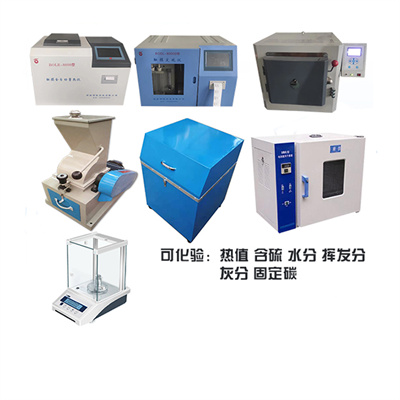 What is the harm of lack of water in the calorimeter?
 What is the input interface of the calorimeter?