How long does the calorimeter add water?
In the laboratory, the calorimeter is a key instrument for accurately measuring heat, and the operation of adding water plays a decisive role in the normal operation and measurement accuracy of the calorimeter. Many users are confused: How long does the calorimeter need to add water? Here is a detailed answer for you.
The core influencing factors of the water addition cycle
The water addition cycle of the calorimeter is not fixed, it is affected by the frequency of use and environmental conditions. If the laboratory uses the calorimeter at high frequency every day, the water evaporation rate is fast, it is recommended to check and replenish the water every 3-5 days; if the frequency of use is low, it can be appropriately extended to 7-10 days. At the same time, in a high temperature and dry environment, the water evaporation accelerates, and the water addition cycle needs to be shortened accordingly.
How to add water accurately
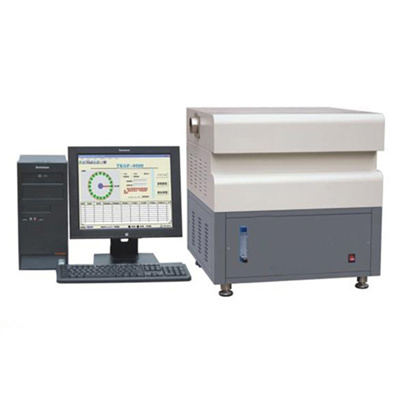
When adding water, first find the special water inlet of the calorimeter, and use the matching funnel to slowly fill the water to avoid splashing and damaging the instrument. During the water addition process, always pay attention to the water level scale line of the instrument, and the water level should be controlled in the range of 1/2 to 2/3 of the scale line, not only to prevent insufficient water from affecting heat dissipation, but also to avoid excessive water overflow, and to ensure the safety of the internal circuit of the instrument.
Inspection and maintenance after adding water
After adding water, it is necessary to start the calorimeter for practice running to observe whether the running state of the instrument is normal and whether the display data is stable. In addition, it is necessary to regularly clean the residual water stains around the water inlet to prevent scale accumulation from blocking the pipeline and prolong the service life of the instrument.
Mastering the water addition cycle and operation points of the calorimeter can not only ensure the accuracy of the measurement data, but also reduce the failure rate of the instrument. Keep in mind the above methods to keep the calorimeter in the best working condition and provide reliable support for the experiment.
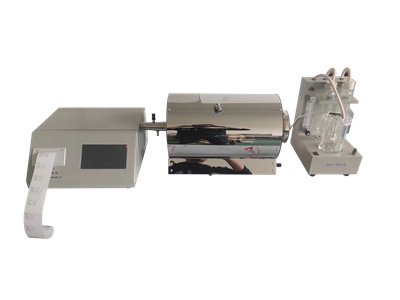
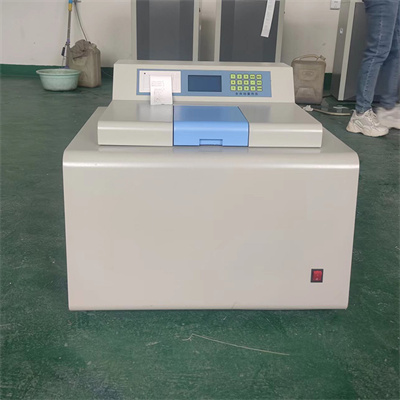 How to read calorimeter data
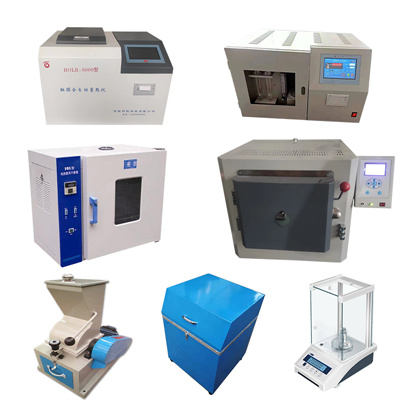 What is the design principle of a calorimeter?
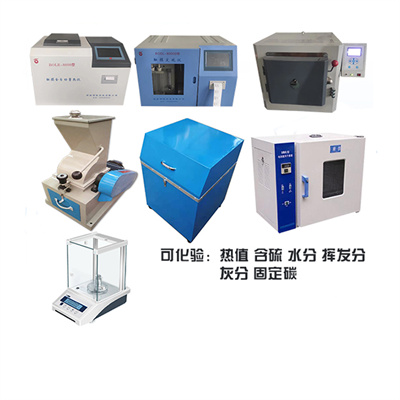 What is the harm of lack of water in the calorimeter?
 What is the input interface of the calorimeter?