How to calibrate the temperature with a new calorimeter
Before the new calorimeter is put into use, temperature calibration is the core link to ensure accurate test results. By mastering the scientific calibration process, the instrument can quickly enter the optimum working state. The following is a detailed operation guide.
Pre-preparation work: It is necessary to prepare a standard thermometer certified by measurement, and the accuracy must be higher than that of the calorimeter itself; at the same time, a stable constant temperature water bath is prepared to ensure that the ambient temperature is stable at 20 ° C -25 ° C to avoid environmental fluctuations affecting the calibration accuracy. Also check that the components of the calorimeter are connected normally, preheat for 15 minutes, and let the instrument enter a stable operating state.
Core calibration steps: The first step is to place the standard thermometer and the calorimeter temperature probe into the constant temperature water bath together to ensure that the two are at the same level; the second step is to record the standard thermometer reading and the calorimeter display reading after the water bath temperature stabilizes, and the difference between the two is the initial deviation; the third step is to enter the calibration interface of the calorimeter, enter the standard temperature value for calibration, and repeat the operation 3 times until the error between the display value of the calorimeter and the standard value is controlled within ± 0.1 ° C.
Verification after calibration: After the calibration is completed, 3 different temperature points need to be selected for re-verification, such as 25 ° C, 50 ° C, and 80 ° C. If the error of each temperature point meets the accuracy requirements of the instrument, the calibration is qualified. If there is a deviation, the environment, standard equipment, and operating procedures need to be re-checked and re-calibrated.
Notes: During the calibration process, it is strictly forbidden to touch the temperature probe to avoid human temperature interference; standard thermometers need to be regularly calibrated to ensure their accuracy and reliability; after each calibration is completed, record the calibration data in time to facilitate subsequent instrument maintenance and traceability.
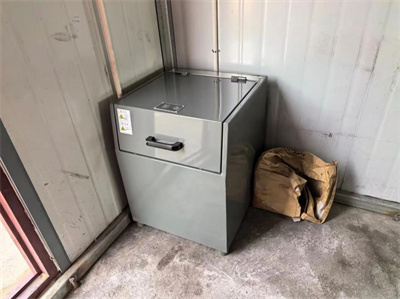
Mastering this calibration method not only guarantees the temperature measurement accuracy of the new calorimeter, but also prolongs the service life of the instrument, laying a solid foundation for subsequent accurate testing.
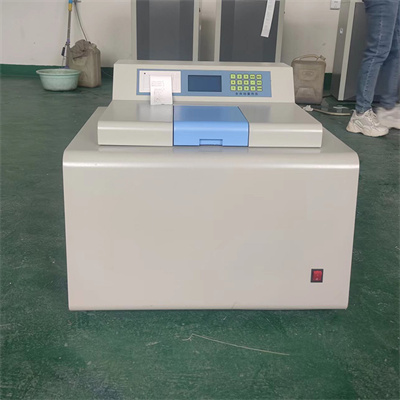 How to read calorimeter data
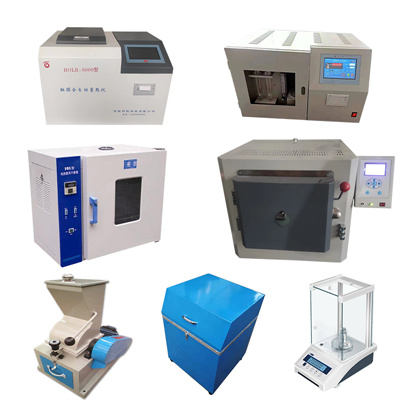 What is the design principle of a calorimeter?
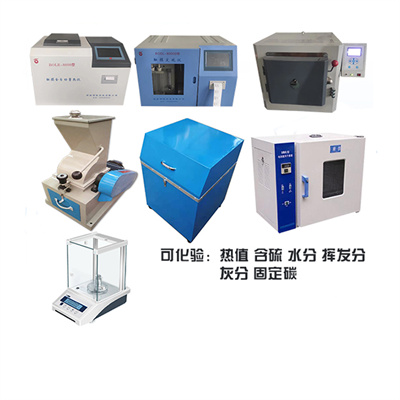 What is the harm of lack of water in the calorimeter?
 What is the input interface of the calorimeter?