How much is the imported biomass calorimeter?
The price of imported biomass heat meters is affected by multiple core factors and is not a fixed value. It needs to be comprehensively evaluated in combination with actual demand. The following is to disassemble the key pricing logic for you to help you quickly grasp the key points of procurement costs.
Brand differences are the primary factor in price differentiation. International first-line brands (such as German and American well-known brands) rely on core technology precipitation, high-precision detection performance and mature after-sales system, and equipment quotations are usually in the range of 300,000-800,000 yuan; while some niche imported brands, although the main cost performance, but the core sensor accuracy and stability are slightly weaker, and the price is mostly 150,000-350,000 yuan, suitable for users with limited budgets and regular detection needs.
Configuration specifications directly determine the price. The basic imported biomass calorimeter only meets the conventional biomass calorific value detection, the configuration is relatively streamlined, and the price is concentrated in 120,000-250,000 yuan; the mid-to-high-end model is equipped with high-precision temperature sensors, automatic sampling systems, intelligent data analytics software, and also supports multi-sample batch detection. The price rises to 300,000-600,000 yuan, suitable for high-standard detection scenarios such as scientific research institutes and large biological enterprises.
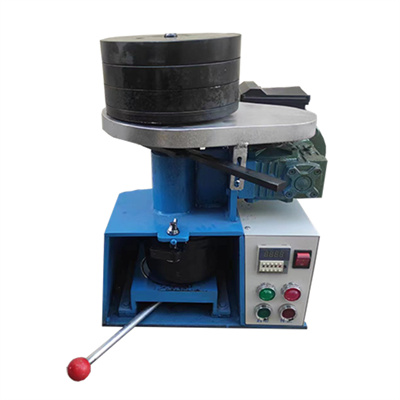
Detection accuracy and functional modules are the core support of the price. The higher the detection accuracy (such as error control within ± 0.1%), the richer the functions (such as supporting real-time data upload, remote control, customized detection procedures), the higher the cost of equipment research and development and core components, the higher the price will naturally rise. If you only need to meet the basic compliance testing, choose the basic configuration; if you need to carry out scientific research-level accurate testing, you must invest a higher budget to configure high-end models.
After-sales services and additional costs cannot be ignored. After-sales of imported biomass thermometers includes installation and commissioning, technical training, equipment maintenance, replacement of accessories, etc. Some brands will calculate the after-sales costs separately or include them in the total price. In addition, transportation tariffs and customs declaration costs will also affect the final procurement cost, usually accounting for 5% -10% of the total price of the equipment. These hidden costs need to be clarified in advance when purchasing.
Overall, the price range of imported biomass heat meters is relatively large, ranging from hundreds of thousands to nearly one million yuan. When purchasing, it is necessary to comprehensively compare the brand, configuration and after-sales in combination with its own testing needs, accuracy requirements, and budget range in order to accurately lock in cost-effective equipment and avoid blind investment.
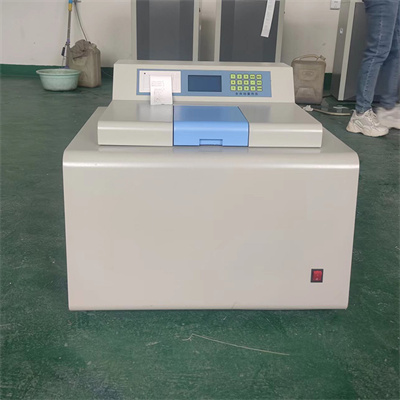 How to read calorimeter data
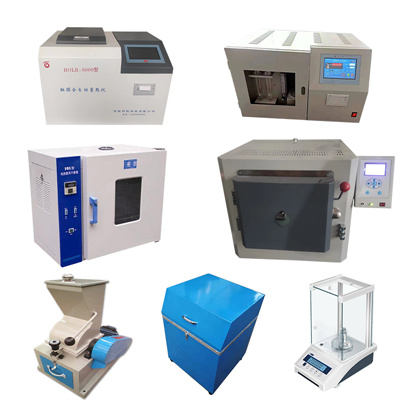 What is the design principle of a calorimeter?
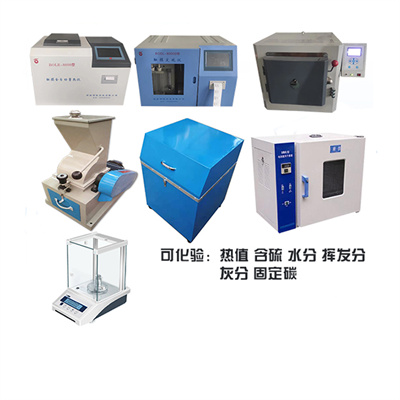 What is the harm of lack of water in the calorimeter?
 What is the input interface of the calorimeter?