How much is the brick calorimeter?
The price of a brick and tile calorimeter is not a fixed value. It is restricted by multiple core factors. Only by understanding these key points can we accurately grasp the procurement cost and avoid blind price comparison.
The core configuration determines the basic price range
The core configuration of the brick and tile calorimeter directly affects the performance and cost of the equipment. Key components such as high-precision sensors, automated temperature control systems, and stable data collection modules, the higher the configuration level, the higher the price of the equipment will naturally rise. The basic equipment is mostly used for routine testing, and the price is relatively close to the people; while models equipped with high-end sensors and intelligent data analytics can greatly improve the detection accuracy and efficiency, and the price will be much higher, adapting to the detection needs of different scale brick and tile enterprises.
The proportion of brand and after-sales cost cannot be ignored
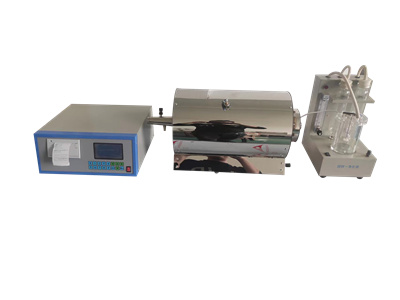
Well-known brands of brick and tile calorimeters, with mature R & D technology and strict quality control system, have more guaranteed equipment stability and durability, and the price will include brand premiums and perfect after-sales costs. This type of equipment usually provides services such as on-site installation and debugging, regular maintenance, and quick response to faults, and subsequent use is more worry-free. Although the price of niche brands is lower, the after-sales system is weak. Once the equipment fails, the maintenance cycle is long and the cost is high, which may increase the hidden expenditure.
Detection accuracy and function differences affect price stratification
The detection accuracy and additional functions of the brick and tile calorimeter are an important basis for price stratification. The higher the detection accuracy, the more accurate the subtle differences in the burning calorific value of bricks and tiles can be captured, and the higher the equipment price can be met. Some high-end models also have functions such as automatic data storage, network transmission, and continuous detection of multiple samples, which greatly improve the detection efficiency. These additional functions will further increase the price of equipment. Enterprises need to choose reasonably according to their own testing needs.
The procurement channel and the purchase volume determine the final quotation.
Purchasing directly from the manufacturer can save the middleman price difference, get a more affordable price, and get more professional technical support; purchasing through a dealer, although the price is slightly higher, you can enjoy more convenient localization services. In addition, when purchasing in bulk, manufacturers usually give stepped discounts. The larger the purchase volume, the lower the unit price, which is suitable for brick and tile manufacturers with centralized procurement needs.
Overall, the price of brick and tile calorimeters ranges from tens of thousands to hundreds of thousands of yuan. When purchasing, enterprises need to consider factors such as configuration, brand, accuracy, and channels in combination with their own testing needs, budget, and long-term use planning. Only then can they choose the most cost-effective equipment and provide reliable protection for brick and tile quality inspection.
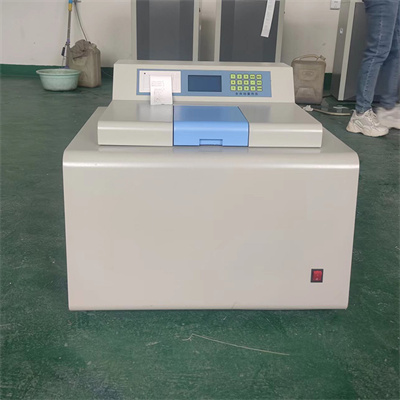 How to read calorimeter data
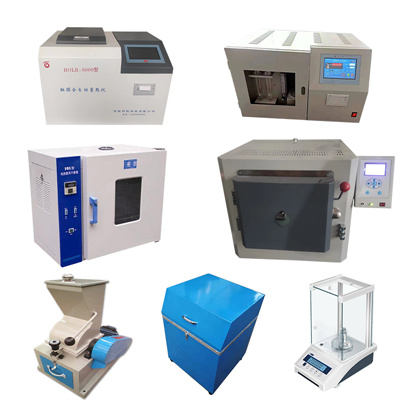 What is the design principle of a calorimeter?
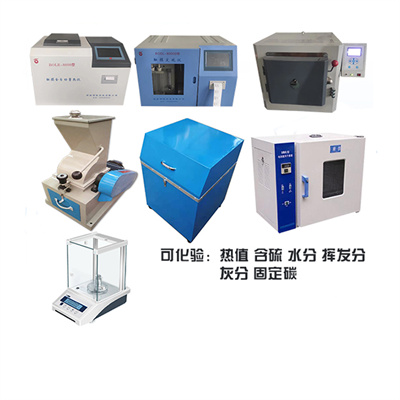 What is the harm of lack of water in the calorimeter?
 What is the input interface of the calorimeter?