How to calibrate the new calorimeter
Preparation: Laying the foundation for calibration
Before calibrating a new calorimeter, it is necessary to make full preparations. Make sure that the appearance of the calorimeter is intact, and the components are firmly connected without signs of loosening or damage. At the same time, prepare calibration substances that meet the requirements, such as benzoic acid, whose purity must meet the specified standards and whose properties are stable. In addition, prepare high-precision weighing equipment to ensure the accuracy of the weighing data and provide a reliable basis for subsequent calibration work.
Environmental Control: Guaranteeing Calibration Conditions
The calibration environment has a significant impact on the results. To ensure that the laboratory temperature is stable and avoid large temperature fluctuations, the ideal temperature range is between 15 ° C and 30 ° C, and the humidity is appropriate to prevent environmental factors from interfering with the measurement accuracy of the calorimeter. At the same time, the laboratory should be kept clean to avoid dust, debris, etc. affecting the normal operation of the instrument to create good conditions for calibration.
Calibration steps: strictly standardize operation
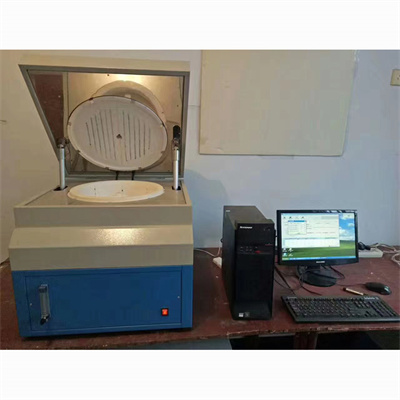
1. Instrument preheating: Turn on the calorimeter and let it fully preheat. Generally, the preheating time is not less than 30 minutes, so that the various components of the instrument can reach a stable working state and reduce the errors caused by the instability of the instrument.
2. Weigh the calibration object: Use a high-precision balance to accurately weigh the appropriate amount of benzoic acid, record the weight data, and be accurate to four decimal places to ensure that the data is accurate.
3. Sampling and ignition: Put the weighed benzoic acid into the combustion dish of the calorimeter, load the sample according to the operating specifications, and then start the ignition procedure to ensure that the calibrated material is completely burned.
4. Data recording and calculation: Pay close attention to the temperature changes displayed by the calorimeter, accurately record the initial temperature and maximum temperature, calculate the heat capacity of the calorimeter according to the relevant formula, and complete the calibration calculation.
Calibration verification: ensuring reliable results
After the calibration is completed, it needs to be verified. Select another calibration material with known calorific value, follow the above calibration steps again, and compare the calculated results with the theoretical values. If the error is within the allowable range, the calibration is successful; if the error is beyond the range, the calibration process needs to be re-checked to identify the problem and re-calibrate until the result meets the requirements.
Through the above standard calibration process, the new calorimeter can operate accurately and provide accurate and reliable data support for subsequent measurement work.
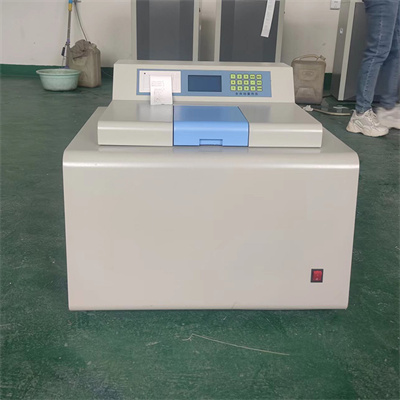 How to read calorimeter data
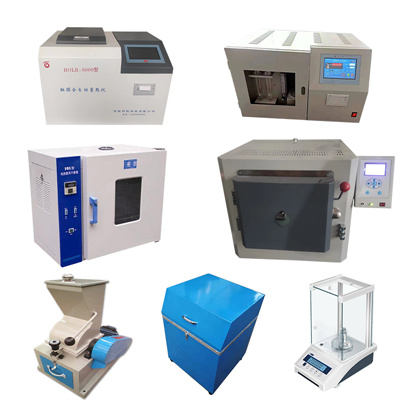 What is the design principle of a calorimeter?
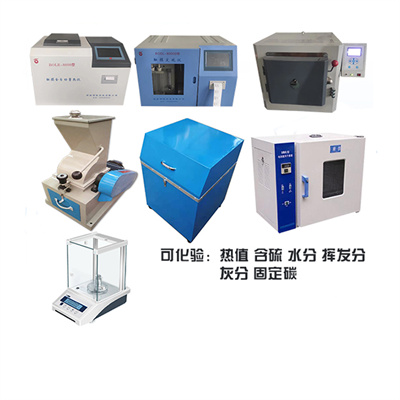 What is the harm of lack of water in the calorimeter?
 What is the input interface of the calorimeter?