What is a calorimeter?
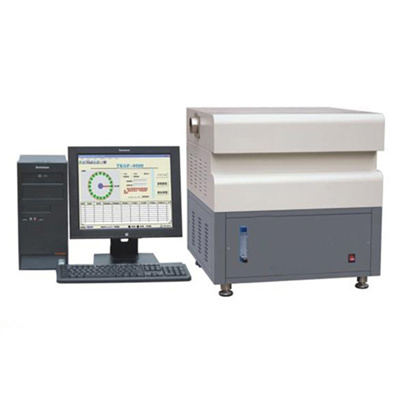
A calorimeter is a professional instrument that accurately measures the heat of a substance. Its core function is to determine the heat released or absorbed by a substance in a specific reaction. It is widely used in energy, chemical industry, scientific research, and many other fields. It is a key equipment for heat analysis in laboratories.
From the working principle, the calorimeter is mainly based on the laws of thermodynamics, by capturing the heat change during the reaction of substances and converting it into a quantifiable value. The common type of aerobic bomb calorimeter is suitable for the determination of the calorific value of solid and liquid fuels, such as coal and petroleum products. It can provide core data for energy quality assessment.
The core advantage of the calorimeter is accurate measurement and standardized operation. It is equipped with a high-precision temperature sensor and a stable temperature control system, which can accurately capture subtle temperature changes, and then combine professional algorithms to calculate the heat value, and the error control is within the allowable range of the industry. At the same time, the instrument operation process is standardized, even if the novice has undergone simple training, he can quickly start the experiment.
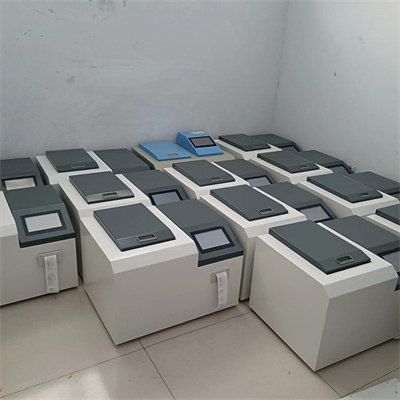
In practical applications, calorimeters play an irreplaceable role. In the energy industry, by measuring the calorific value of coal, natural gas and other fuels, it helps enterprises plan energy use rationally and improve energy utilization efficiency; in the chemical industry, it can be used to measure the thermal effect of chemical reactions and provide data support for process optimization; in scientific research institutions, it is the core instrument for conducting thermodynamic experiments, helping researchers explore the thermodynamic properties of substances.
When using a calorimeter, it is necessary to strictly abide by the operating specifications. Check the tightness of the instrument and calibrate the temperature sensor before the experiment to ensure that the instrument is in normal working condition; add samples in strict accordance with the standard process during the experiment to avoid affecting the measurement results due to improper operation; clean the instrument in time after the experiment and do daily maintenance to ensure the stability and service life of the instrument.
Overall, calorimeters are the core tools for heat measurement. With their accurate measurement capabilities and wide range of application scenarios, they provide key support for experimental research and production practices in various industries, and are an important basic instrument for promoting technological development in related fields.
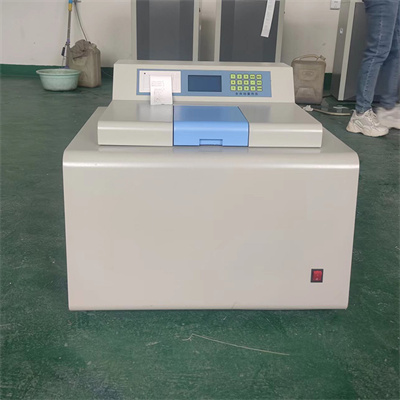 How to read calorimeter data
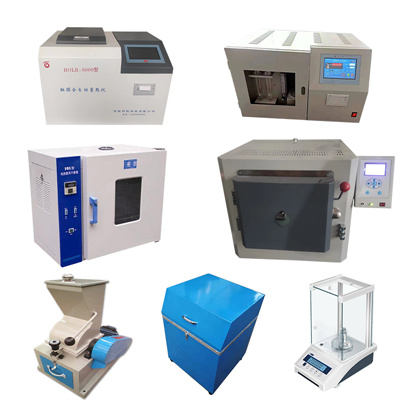 What is the design principle of a calorimeter?
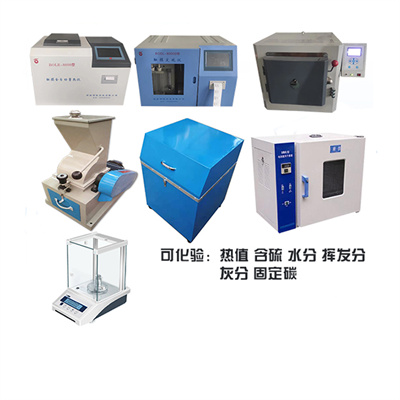 What is the harm of lack of water in the calorimeter?
 What is the input interface of the calorimeter?