Calorimeter multiple
In the fields of energy testing, chemical research and development, and material analysis, calorimeters are key devices for accurately measuring the calorific value of substances. Their technical principles and practical operation points directly affect the accuracy of test data. It is essential for practitioners to master core knowledge.
First, the working principle of the calorimeter
The calorimeter operates based on the law of conservation of thermodynamic energy, and the core is to build a constant temperature measurement environment. When the sample to be tested is fully burned in a closed oxygen bomb, the released heat will be accurately captured by the temperature measurement system inside the calorimeter. By calculating the water temperature change and combining the instrument calibration coefficient, the calorific value data of the sample can be directly obtained. The whole process requires strict control of the details such as ambient temperature and oxygen bomb sealing to avoid heat loss affecting the results.
Second, the core application scenario of the calorimeter
1. Energy industry: used to detect the calorific value of coal, fuel oil, natural gas and other fuels, it is the core basis for power plants and refineries to calculate fuel costs and control energy quality, directly affecting energy efficiency.
2. Chemical research and development: In the development of new chemical materials, the reaction heat is determined by a calorimeter to help researchers optimize reaction conditions and ensure the safety and stability of the research and development process.
3. Food and biological field: It can detect the energy content of food and biological samples, providing key data support for nutritional assessment and biological metabolism research.
III. Key points of practical operation of the calorimeter
1. Pre-preparation: Before use, check the tightness of the oxygen bomb and the connection status of the electrodes to ensure that the instrument is in normal working condition; at the same time, the samples are standardized to ensure the uniformity and weighing accuracy of the samples.
2. Operating specifications: strictly follow the instrument operation process to ignite and measure the temperature, avoid shaking the instrument during the process, and prevent deviations in the temperature measurement data; clean the oxygen bomb in time after the operation to prevent residual substances from corroding the equipment.
3. Calibration and maintenance: Regularly calibrate the calorimeter with standard materials to ensure the accuracy of the test data; at the same time, clean and maintain the instrument to prolong the service life of the equipment.
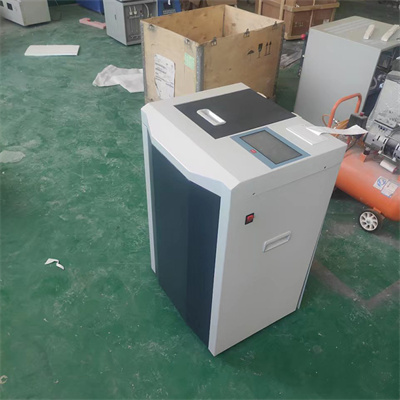
Mastering the principles, applications, and practical operation points of calorimeters not only enhances the efficiency and accuracy of testing work, but also provides reliable support for energy management, R & D, and innovation in various industries. It is a necessary core skill for relevant practitioners.
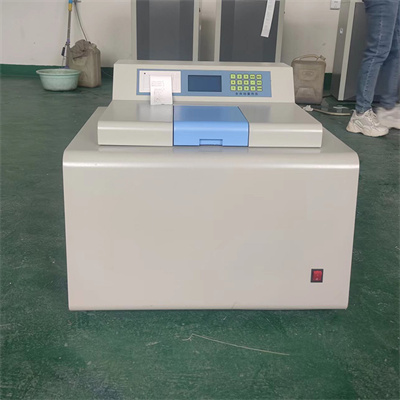 How to read calorimeter data
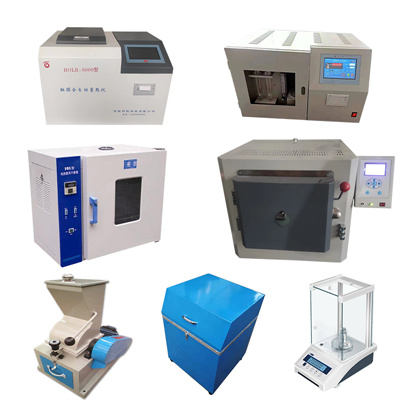 What is the design principle of a calorimeter?
 What is the harm of lack of water in the calorimeter?
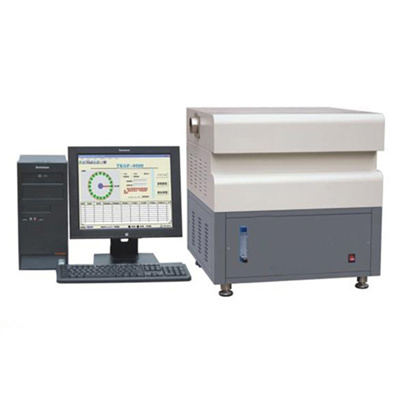 What is the input interface of the calorimeter?