The reason for the ignition failure of the calorimeter
In laboratory work, the calorimeter is a key instrument for accurately measuring the heat of substances, but ignition failure occurs from time to time, which seriously affects the experimental progress. The following is a detailed analysis of the common causes and countermeasures of calorimeter ignition failure.
Ignition system component failure
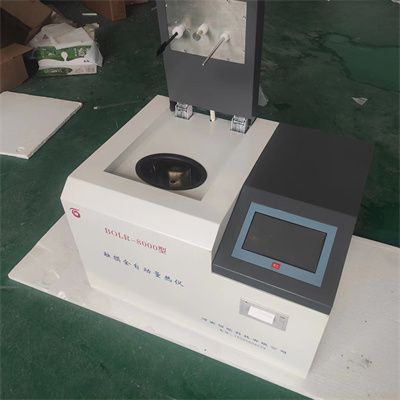
The ignition system is the core of the ignition of the calorimeter. If the ignition wire is aged or broken, or the ignition electrode spacing is improper, an effective arc cannot be formed, resulting in ignition failure. In addition, poor contact and short circuit of the ignition circuit will also prevent the ignition signal from being transmitted normally, resulting in the failure of the ignition command. In daily use, it is necessary to regularly check the integrity of the ignition wire, calibrate the electrode spacing, check the connection of the line, and replace the damaged parts in time.
Sample and loading problems
Improper sample condition and loading method are also important factors that cause ignition failure. If the sample is damp, the moisture will absorb a lot of heat, lowering the temperature threshold required for ignition, resulting in failure to ignite smoothly. When loading, if the sample is not compacted enough and the internal gap is too large, it will affect the heat transfer and combustion continuity; and if the sample volume is too large or too small, it will also break the energy balance required for ignition. Therefore, make sure that the sample is dry before the experiment, and strictly control the loading volume and compaction degree according to the standard.
Insufficient oxygen supply
The ignition of the calorimeter requires sufficient oxygen support. If the pressure of the oxygen cylinder is too low, the oxygen pipeline is blocked or leaking, the amount of oxygen entering the combustion chamber will be insufficient, which will not meet the demand of the sample combustion, resulting in ignition failure. Before each experiment, check the pressure of the oxygen cylinder, clean the oxygen pipeline, and check whether there is any leakage point to ensure a stable oxygen supply.
Instrument parameter setting error
The ignition parameters of the calorimeter are not set reasonably. If the ignition voltage and ignition time are not set properly, the ignition energy will be insufficient or the ignition timing will be wrong, and the sample cannot be successfully ignited. The operator should strictly follow the instrument manual and combine the characteristics of the sample to accurately set the ignition parameters. If necessary, pre-experiments can be carried out to adjust the parameters.
When the calorimeter fails to ignite, it can be checked one by one according to the above reasons, accurately locate the fault point, and take corresponding measures to solve it in a timely manner to ensure the efficient and accurate development of the experiment.
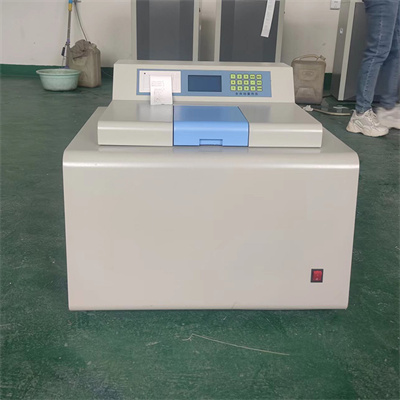 How to read calorimeter data
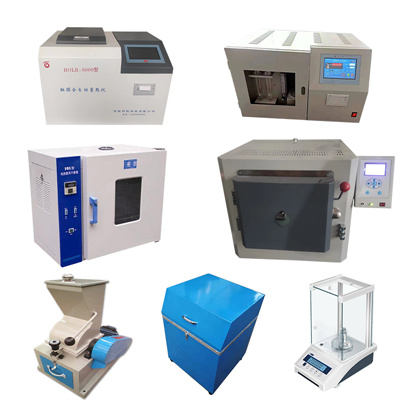 What is the design principle of a calorimeter?
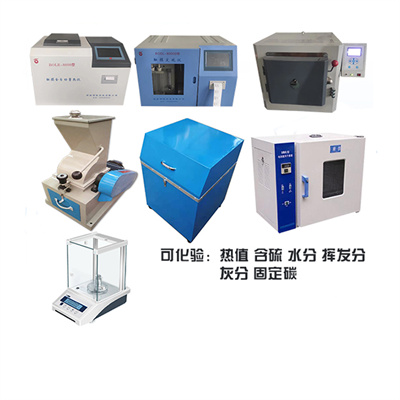 What is the harm of lack of water in the calorimeter?
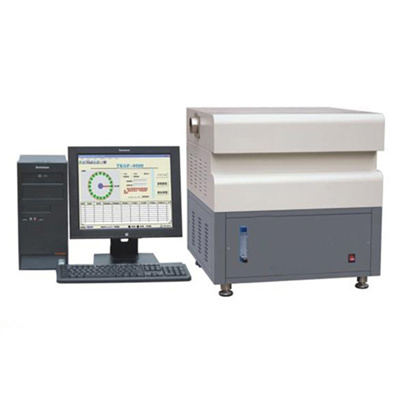 What is the input interface of the calorimeter?