Coal energy content case
As a traditional fossil energy source, coal is still an important energy source for power production and industrial production in many countries around the world. The energy content of different types of coal varies greatly. In practical applications, it is also necessary to adjust the production plan according to the test data. Baiou Technology has done many practical test projects in this regard. Here is a basic case.
The coal samples tested this time came from an open-pit coal mine in South East Asia, mainly bituminous coal and sub-bituminous coal. Customers need to get accurate energy content data to make reference for coal blending in the power plant. The test team of Baiou Technology tested according to the common oxygen bomb calorimetry standard in the industry. First, the coal samples were crushed and dried, and then put into a calorimeter for complete combustion. By calculating the change of water temperature, the coal energy content per unit mass was converted.
The final test results show that the high-level calorific value of the dry base of bituminous coal in this mining area is about 26.5MJ/kg, and the low-level calorific value received is about 23.8MJ/kg; the high-level calorific value of the dry base of secondary bituminous coal is about 20.1MJ/kg, and the low-level calorific value received is about 17.6 MJ/kg. The deviation from the reference data provided by the mining area is within 2%, which meets the industry testing requirements.
In this case, it can be seen that the energy content difference of different coals can reach more than 6MJ/kg. If the coal is not tested in advance, it will easily affect the combustion efficiency of the boiler and increase pollutant emissions. Baiou Technology can currently provide coal energy content testing and coal quality analysis services to customers around the world. The testing process meets international general standards, and can provide basic data support for trade, power generation, coal chemical and other industries. If you have relevant testing needs, you can contact us at any time for consultation.
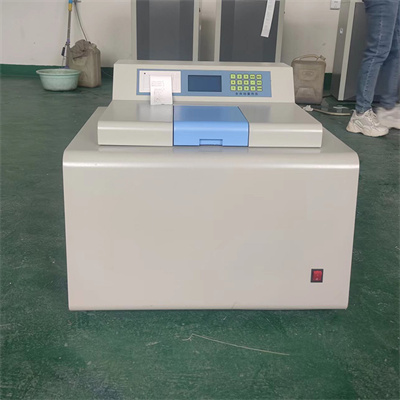 How to read calorimeter data
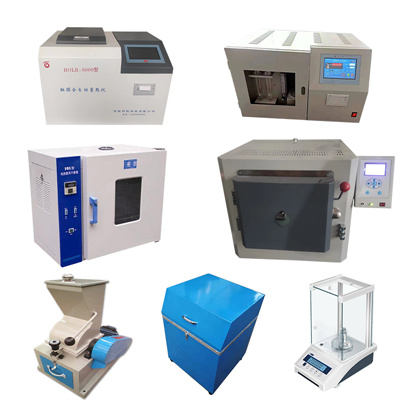 What is the design principle of a calorimeter?
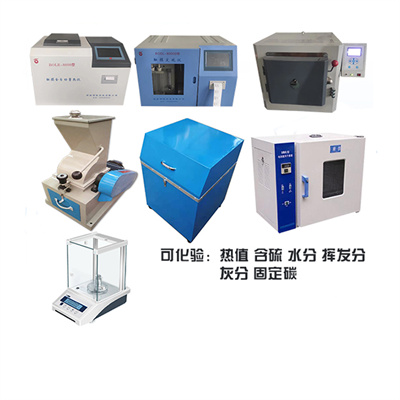 What is the harm of lack of water in the calorimeter?
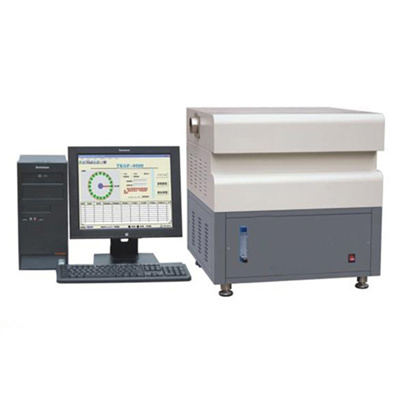 What is the input interface of the calorimeter?