Introduction of fuel calorific value detection method
The calorific value of fuel is the core indicator to measure the quality of fuel, which directly determines the utilization efficiency and economic value of fuel. Whether it is coal, biomass fuel or industrial waste fuel, accurate calorific value detection is an important basis for trade settlement and process adjustment. At present, the commonly used fuel calorific value detection method in the industry is mainly the oxygen bomb calorimetry method, which is also the standard detection method used in most countries.
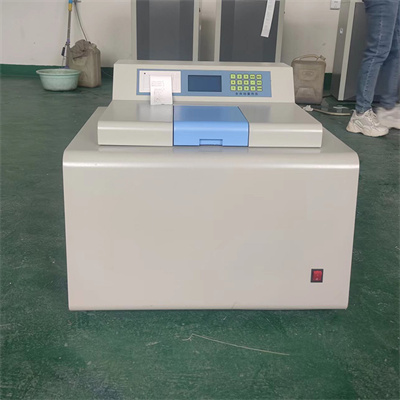
The basic operating logic of oxygen bomb calorimetry is not complicated: a certain quality of fuel sample is placed in a sealed oxygen bomb, excess oxygen is injected into the oxygen bomb, and then the sample is ignited to make the sample burn completely. The heat released by combustion will be absorbed by the water around the oxygen bomb. By measuring the change of water temperature and combining the heat capacity of the calorimetry system, the calorific value of the fuel can be calculated. This method has high detection accuracy and is suitable for the detection of most solid and liquid fuels. It is currently the mainstream method of laboratory testing.
In addition to the oxygen bomb calorimetry method, there are also industrial analysis methods that can estimate the calorific value from the industrial composition of the fuel. This method is simpler to operate and has a fast detection speed, but the error is relatively large. It is generally only used for rapid preliminary detection and is not suitable for high-precision scenarios.
For companies that need to issue test reports externally, it is crucial to choose stable and reliable testing equipment and professional services. Baiou Technology has many years of service experience in the field of fuel testing, and can provide supporting testing equipment support and technical consultation to help enterprises complete accurate fuel calorific value detection and adapt to the testing needs of different scenarios.
When testing the calorific value of fuel, enterprises need to pay attention to the standardization of sample preparation, ensure sample representativeness, and operate according to standard procedures in order to obtain more accurate test results and provide reliable data support for fuel production and trade.
 How to read calorimeter data
 What is the design principle of a calorimeter?
 What is the harm of lack of water in the calorimeter?
 What is the input interface of the calorimeter?