Introduction to low calorific value formula
In the field of fuel detection and energy measurement, the low calorific value is a very commonly used indicator, which represents the total heat released when the water vapor in the flue gas is discharged in gaseous form after fuel combustion. Compared with the high calorific value, the latent heat of vaporization released by the condensation of water vapor is subtracted, which is closer to the energy calculation of the actual combustion scene.
Many friends who have just come into contact with fuel calorific value testing will ask, what is the calculation formula of low calorific value? Here we make a simple arrangement: the commonly used low calorific value calculation formula can be converted by high calorific value: [Q_ {net, ar} = Q_ {gr, ar} - 206H_ {ar} - 5M_ {ar}] where $Q_ {net, ar} $represents the received base low calorific value, $Q_ {gr, ar} $represents the received base high calorific value, $H_ {ar} $is the received base hydrogen element content, $M_ {ar} $is the moisture content of the received base fuel, and the coefficient is derived from the latent heat of vaporization of water.
The core logic of this formula is actually very easy to understand: hydrogen in the fuel will generate water after combustion, and the moisture contained in the fuel itself will also become gaseous water vapor during combustion and be discharged with the flue gas. This water vapor does not condense and release latent heat during actual combustion, so it needs to be deducted from the total calorific value to obtain the actual available low calorific value.
Baiou Technology has been providing equipment supporting services related to fuel testing all year round. Whether it is the calorific value calculation of coal, biomass or industrial fuels, this basic formula can be used for preliminary calculation, and corresponding testing equipment can also be provided to help customers get accurate values. If you only make a preliminary estimate, you can get results with little error by substituting the formula with high calorific value combined with hydrogen content and moisture. If you need more accurate data, you still need to cooperate with professional testing equipment to measure.
For the calculation of the calorific value of industrial production, the low calorific value is directly related to the fuel pricing and boiler capacity calculation. Choosing the correct calculation formula is the first step to obtain accurate results.
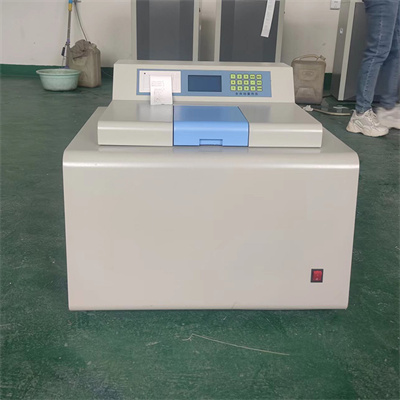 How to read calorimeter data
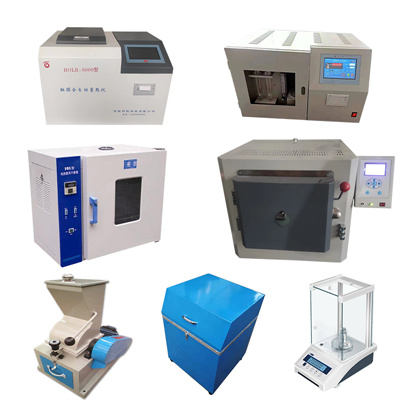 What is the design principle of a calorimeter?
 What is the harm of lack of water in the calorimeter?
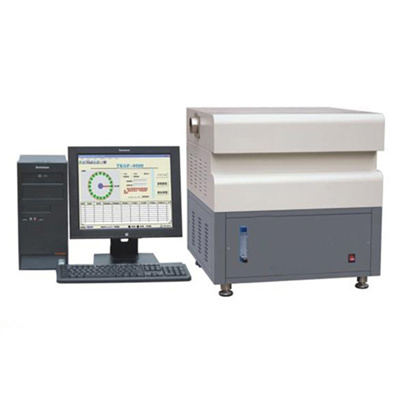 What is the input interface of the calorimeter?