High calorific value, calculation method
In the field of energy, high-level calorific value is a key indicator for measuring the energy potential of fuels. It refers to the total heat released when the water vapor in the combustion products is condensed into liquid water after the fuel is fully burned, covering the latent heat of vaporization released during the condensation process of water vapor. It is the embodiment of maximum fuel energy and is widely used in coal quality analysis, thermal design, and energy trade.
At present, there are two main mainstream calculation methods for high-level calorific value. The direct measurement method is an accurate calculation method in the industry, which is completed with the help of an oxygen bomb calorimeter. First, the dried fuel sample is placed in an oxygen bomb filled with high-pressure oxygen to fully burn, and the heat released by the combustion will be absorbed by the water outside the oxygen bomb. By monitoring the change of water temperature and combining the heat capacity parameters of the calorimeter, the calorimeter can be obtained. After that, the additional heat released by the generation of dilute sulfuric acid from sulfur and dilute nitric acid from nitrogen during the combustion process needs to be deducted, and the final high-level calorific value is obtained. The calculation formula is: $Q_ {gr, ad} = Q_ {b, ad} - 95S_ {b, ad} - α Q_ {b, ad} $ Among them, $Q_ {gr, ad} $is the high calorific value of the air-dried base, $Q_ {b, ad} $is the calorific value of the air-dried base cartridge, $S_ {b, ad} $is the measured sulfur content of the cartridge wash, $α $is the nitric acid correction coefficient, which will be based on the different intervals of the cartridge calorific value.
Theoretical estimation rules are suitable for rapid estimation, mostly based on the calculation of fuel elemental composition. Dulong formula is a common tool. The formula correlates the content of carbon, hydrogen, oxygen and other elements in the fuel with the calorific value, and calculates the high calorific value by weighting the proportion of elements. Although the accuracy is slightly lower than that of the direct measurement method, it can quickly obtain reference data in the absence of professional instruments. The formula is: $Q_ {gr} = 338C + 1256H-108 (O-S) -25M $, where C, H, O, S, M represent the mass fraction of carbon, hydrogen, oxygen, sulfur and moisture in the fuel respectively.
Different calculation methods have their own advantages and disadvantages. The direct measurement method has high accuracy and is suitable for professional testing and trade settlement. The theoretical estimation method is convenient and efficient, and is mostly used for preliminary evaluation and on-site quick calculation. It can be flexibly selected according to actual needs.
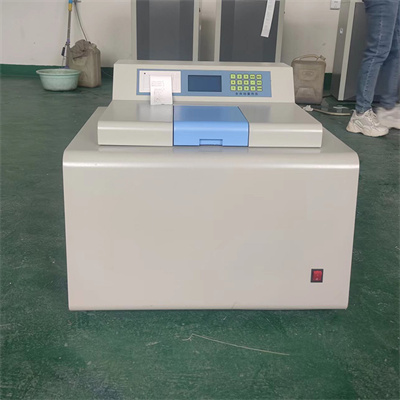 How to read calorimeter data
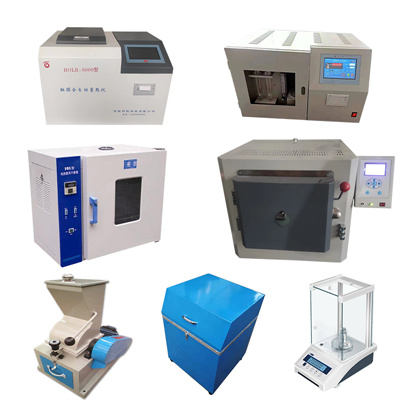 What is the design principle of a calorimeter?
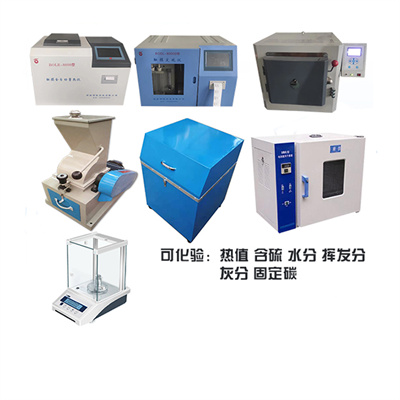 What is the harm of lack of water in the calorimeter?
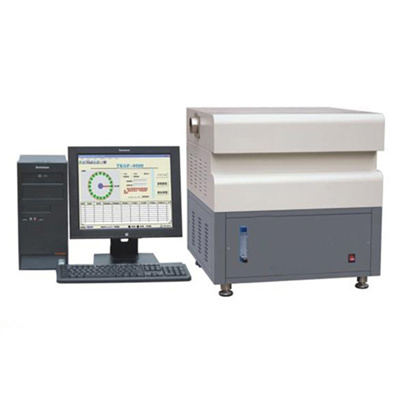 What is the input interface of the calorimeter?