How to calculate the calorific value formula of the calorimeter
In the fields of energy detection and coal chemical industry, calorimeters are the core equipment for accurately calculating the calorific value of fuels, and mastering the calculation logic of the calorific value formula is the key to ensuring the accuracy of the detection data. The following will disassemble the calculation method of the calorimeter calorific value formula in a concise and easy-to-understand way.
First, the foundation of the core calorific value formula
The calorimeter measures the calorific value, usually referring to the calorific value of the fuel cartridge. The core formula is:
Q = C×ΔT
Where Q represents the calorific value of the fuel (unit: J/g or MJ/kg), C is the water equivalent of the calorimeter (that is, the heat capacity of the calorimeter system as a whole, unit: J/℃), and Delta T is the increase in water temperature in the calorimeter during combustion (unit: ℃).
Second, the method of obtaining key parameters
1. Calibration of water equivalent C
The water equivalent is not a fixed value and needs to be calibrated by a reference material (such as benzoic acid) with a known calorific value. The formula is:
C = Q/ΔT
During operation, the quantitative standard benzoic acid is put into a calorimeter for combustion, the water temperature change is recorded, and the C value can be calculated by combining the standard calorific value Q standard of benzoic acid, and it needs to be repeated regularly to ensure accuracy.
2. Determination of water temperature change Delta T
After the sample to be tested is fully burned, the calorimeter will automatically record the water temperature difference before and after combustion. This difference is Delta T, and it is necessary to ensure that the sample burns completely to avoid delta T deviation due to insufficient combustion.
III. Complete calculation steps
1. Preliminary preparation: first complete the water equivalent calibration of the calorimeter to confirm that the equipment is in normal condition;
2. Sample processing: Weigh the sample to be tested of the specified quality and make a sample that meets the requirements.
3. Combustion measurement: put the sample into the calorimeter, start the program to complete the combustion, and record the water temperature change Delta T;
4. Substitution calculation: Substitute the calibrated C value and the measured delta T into the formula Q = C × delta T to calculate the calorific value of the sample.
IV. Calculation considerations
- Stable environment: It needs to be operated in a constant temperature environment to avoid environmental temperature fluctuations affecting water temperature determination.
Sample specification: Sample quality and shape must be strictly followed to ensure full combustion.
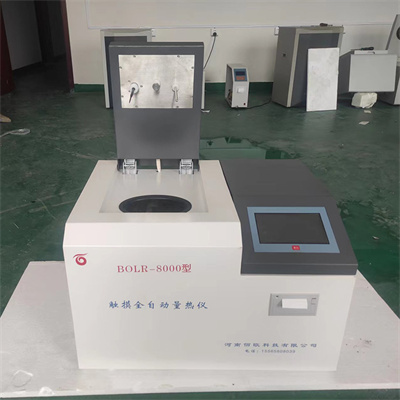
Equipment calibration: Regularly calibrate the calorimeter to ensure accurate water equivalent calibration and reliable calculation results from the source.
As long as the formula logic is clarified and the key points of parameter acquisition and operation are mastered, the calorimeter calorific value calculation can be accurately completed, providing reliable data support for energy detection.
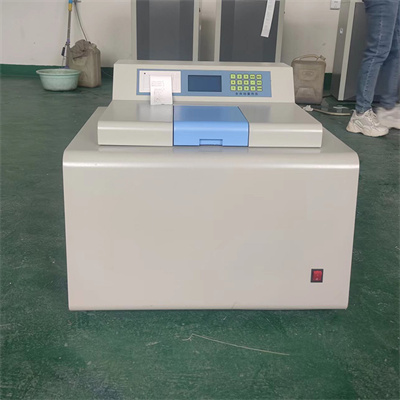 How to read calorimeter data
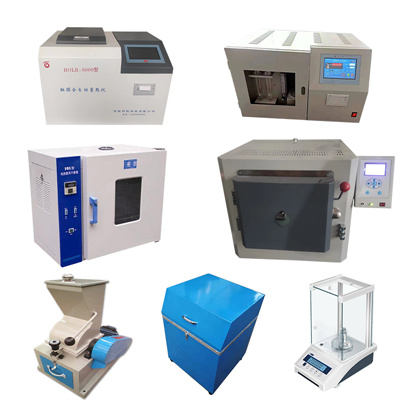 What is the design principle of a calorimeter?
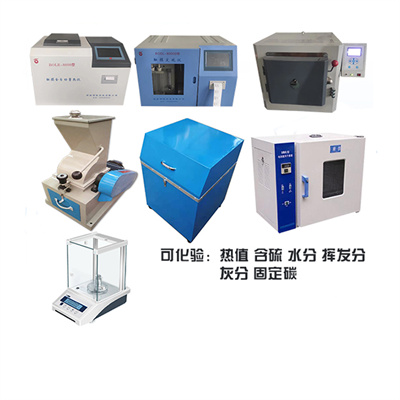 What is the harm of lack of water in the calorimeter?
 What is the input interface of the calorimeter?