How to operate a coal calorimeter
Preparation before operation
Before operating the coal calorimeter, make sure that the instrument is in a stable level state to avoid affecting the measurement accuracy due to tilt. Check whether the power supply connection is normal to ensure the stability of the instrument power supply. At the same time, prepare standard benzoic acid and other calibration materials, as well as dry and clean oxygen bombs, to ensure that the oxygen bomb is well sealed and there is no risk of leakage.
Sample processing
Take an appropriate amount of representative coal samples and grind them to the specified particle size to ensure that the samples are uniform. Accurately weigh a certain quality (usually about 1g) of coal samples, press them into sheets with a special tablet press, and then put the sample pieces into a crucible, taking care to avoid sample spillage.
III. Sample loading and oxygen bomb assembly
Place the crucible containing the sample smoothly on the crucible rack of the oxygen bomb to ensure accurate position. Carefully install the ignition wire so that it is in good contact with the sample piece, taking care that the ignition wire does not touch the crucible wall. Subsequently, assemble the oxygen bomb head tightly with the body of the oxygen bomb, ensure that the sealing pad is intact, tighten the oxygen bomb cover, and ensure the overall tightness of the oxygen bomb.
Fourth, oxygenation operation
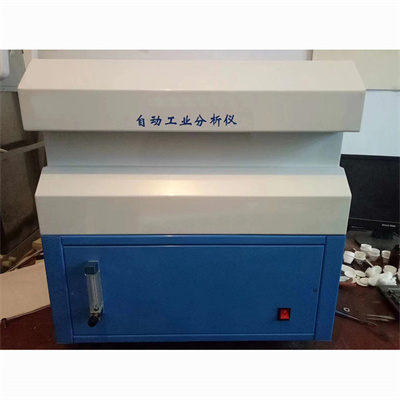
Connect the assembled oxygen bomb to the oxygenator, and oxygenate according to the specified pressure (usually 2.8-3.0MPa). The oxygenation time is controlled at about 30 seconds to ensure that the oxygen bomb is filled with sufficient oxygen to provide sufficient oxygen support for the sample to fully burn.
Instrument setup and testing
Turn on the power supply of the calorimeter, enter the operation interface, and set the relevant parameters according to the instrument manual, such as temperature, time, etc. Carefully put the oxygen bomb filled with oxygen into the inner cylinder of the calorimeter, cover the instrument cover, and start the test program. During the test, pay close attention to the running status of the instrument to ensure the smooth progress of the test.
VI. Results calculation and recording
After the test, the instrument will automatically display the calorific value data of the coal. The operator needs to record the test results in time, and conduct multiple parallel tests as needed, and take the average value as the final result to ensure the accuracy and reliability of the data.
VII. Precautions
During the operation, it is necessary to strictly abide by the operating procedures to avoid damage or measurement errors caused by illegal operation. Regularly calibrate and maintain the calorimeter to ensure the stable performance of the instrument. At the same time, operators need to take personal protection to prevent coal dust inhalation and protect their own health.
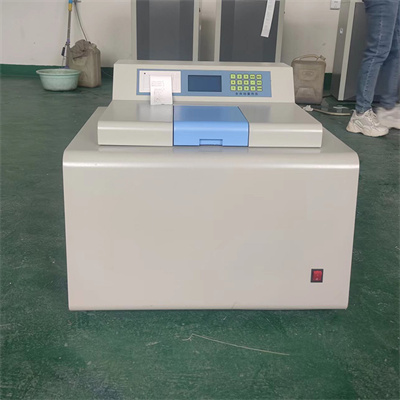 How to read calorimeter data
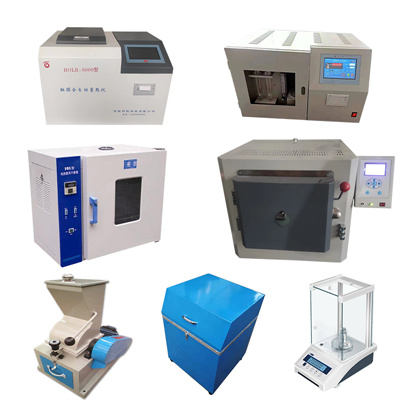 What is the design principle of a calorimeter?
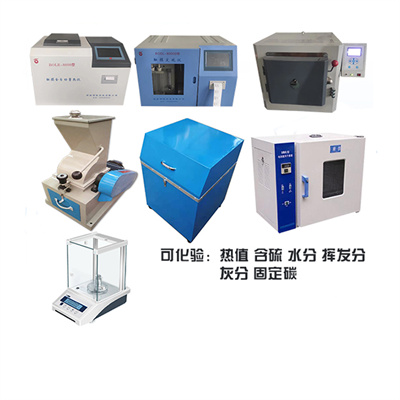 What is the harm of lack of water in the calorimeter?
 What is the input interface of the calorimeter?