What is the measurement range of the calorimeter?
Core Definition of Measurement Range of calorimeter
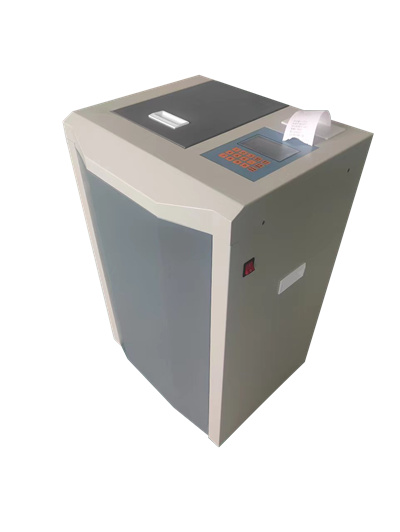
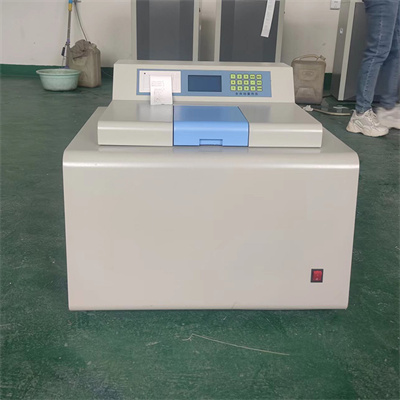
The calorimeter is the core instrument for accurately measuring the change of heat of a substance. Its measurement range refers to the heat range that the instrument can accurately capture, which directly determines the reliability of the experimental data. Different models of calorimeters have significant differences in the measurement range due to differences in design principles and technical configurations, and the core focuses on the accuracy of heat generation measurement.
Measurement range and technical parameters of common calorimeters
The measurement range of mainstream calorimeters is suitable for routine experimental needs. Taking oxygen bomb calorimeters as an example, the typical measurement range is 0-35000J, and some high-precision models can be extended to 0-50000J to meet the detection of hot topic values such as coal and oil. The measurement range of micro calorimeters is narrower, and the multi-focus is 0-5000J. It is suitable for micro-heat detection scenarios such as biopharmaceuticals and chemical reaction heat. The measurement range is closely related to the resolution of the instrument. The higher the resolution, the more accurate the capture of small heat changes, ensuring that the data is unbiased.
Key factors affecting the measurement range
The first is the instrument range design, the sensitivity of the core component sensor directly determines the upper limit of the range, and the high-sensitivity sensor can broaden the measurement range; the second is the sample adaptability, the hot topic value sample needs to match the large measurement range instrument, and the low calorific value sample chooses a micro calorimeter to avoid waste of resources; the third is the experimental environment, stable temperature and humidity can reduce external interference, ensure the stable play of the measurement range, and avoid data distortion.
Practical application matching of measurement range
In the field of energy testing, the detection of hot topic samples such as coal and fuel oil requires the use of a calorimeter with a measurement range of 0-35000J or more to ensure accurate measurement of calorific value; in chemical research and development, the detection of trace heat such as chemical reaction heat and phase change heat is adapted to the measurement range of 0-5000J. The microcalorimeter captures subtle heat changes; in the field of food testing, according to the thermal characteristics of the sample, the instrument corresponding to the measurement range is selected to ensure the compliance of the detection results.
Reference for the measurement range of the optional calorimeter
When purchasing, it is necessary to clarify the measurement range requirements in combination with its own sample heat range, and give priority to instruments with a range covering sample heat fluctuations. At the same time, pay attention to the matching of the measurement range and resolution to avoid blindly pursuing a wide range and ignoring accuracy. In addition, confirm whether the instrument supports custom measurement intervals to improve experimental flexibility and meet diverse detection needs.
 How to read calorimeter data
 What is the design principle of a calorimeter?
 What is the harm of lack of water in the calorimeter?
 What is the input interface of the calorimeter?