What are the operating modes of the calorimeter?
In various types of calorific value detection work, calorimeters play a key role, and their different operating modes are suitable for a variety of detection requirements. Here is a detailed introduction to the common operating modes.
Constant temperature operation mode
This is the basic and commonly used operation mode of the calorimeter. In this mode, the temperature of the outer cylinder of the calorimeter remains constant, and there is a temperature difference between the inner cylinder and the outer cylinder, and the heat will continue to transfer. During testing, the heat released by the combustion of the sample is partly used to raise the water temperature of the inner cylinder, and the other part is lost to the outer cylinder through heat exchange. This mode is relatively simple to operate and requires moderate temperature control accuracy for the instrument. It is suitable for the calorific value detection of conventional samples, which can ensure the stability and accuracy of the test results. It is the first choice for daily testing in most laboratories.
Adiabatic operating mode
The core of the adiabatic operation mode is to isolate the heat exchange between the inner and outer cylinders, so that the entire detection process can be carried out almost in an adiabatic environment. The instrument tracks the temperature change of the inner cylinder in real time through a special temperature control system, and adjusts the temperature of the outer cylinder synchronously, so that the two are always consistent and eliminate the error caused by heat exchange. This mode can greatly improve the detection accuracy, especially suitable for samples that require extremely high heat value detection accuracy, such as high-purity fuels, specialty chemicals, etc. It can accurately capture the heat released by the combustion of the sample, providing reliable data support for scientific research and high-end production.
Fast running mode
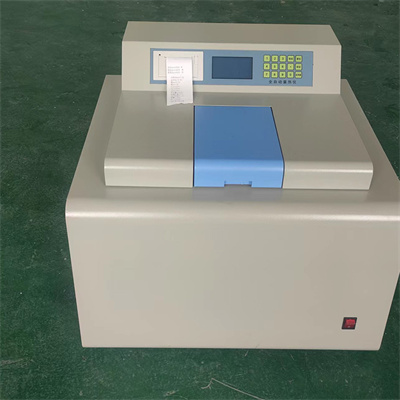
When the detection task is urgent and the results need to be obtained quickly, the fast operation mode comes in handy. This mode greatly shortens the detection period by optimizing the combustion conditions and accelerating the heat transfer efficiency. It adjusts the combustion support conditions of the sample combustion, increases the combustion speed, and optimizes the stirring and temperature collection frequency of the inner cylinder water, so that the heat can be quickly absorbed and recorded. Although the detection time is shortened, as long as the operation is standardized, the reliability of the results can still be guaranteed. It is suitable for rapid screening of batch samples, which can effectively improve the detection efficiency and meet the needs of efficient production.
Automatic continuous operation mode
For large-scale and continuous detection work, the automatic continuous operation mode has significant advantages. The instrument can automatically complete the whole process of sample placement, combustion, temperature collection, data calculation and other operations according to the preset program, without frequent manual intervention. This mode can also automatically record and store the detection data, which is convenient for subsequent query and analysis, and realizes the automation and intelligence of the detection process. In the batch detection scenarios of coal, chemical and other industries, it can greatly reduce labor costs, improve the detection efficiency and consistency, and ensure the smooth progress of the production process.
Understanding and mastering these operating modes of calorimeters can help you choose the appropriate mode flexibly according to actual testing needs, give full play to the performance of the instrument, and provide strong support for calorific value testing.
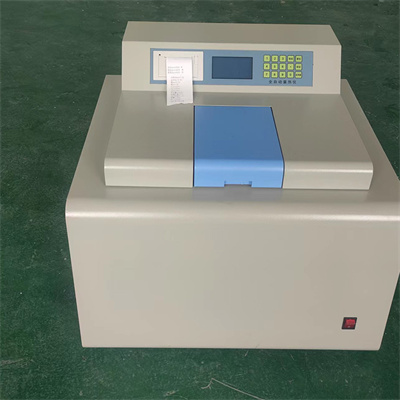 What are the operating modes of the calorimeter?
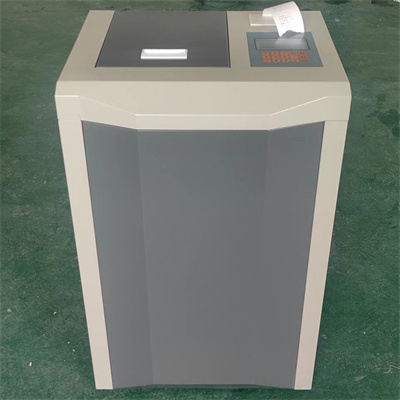 How much does the intelligent thermostatic calorimeter cost?
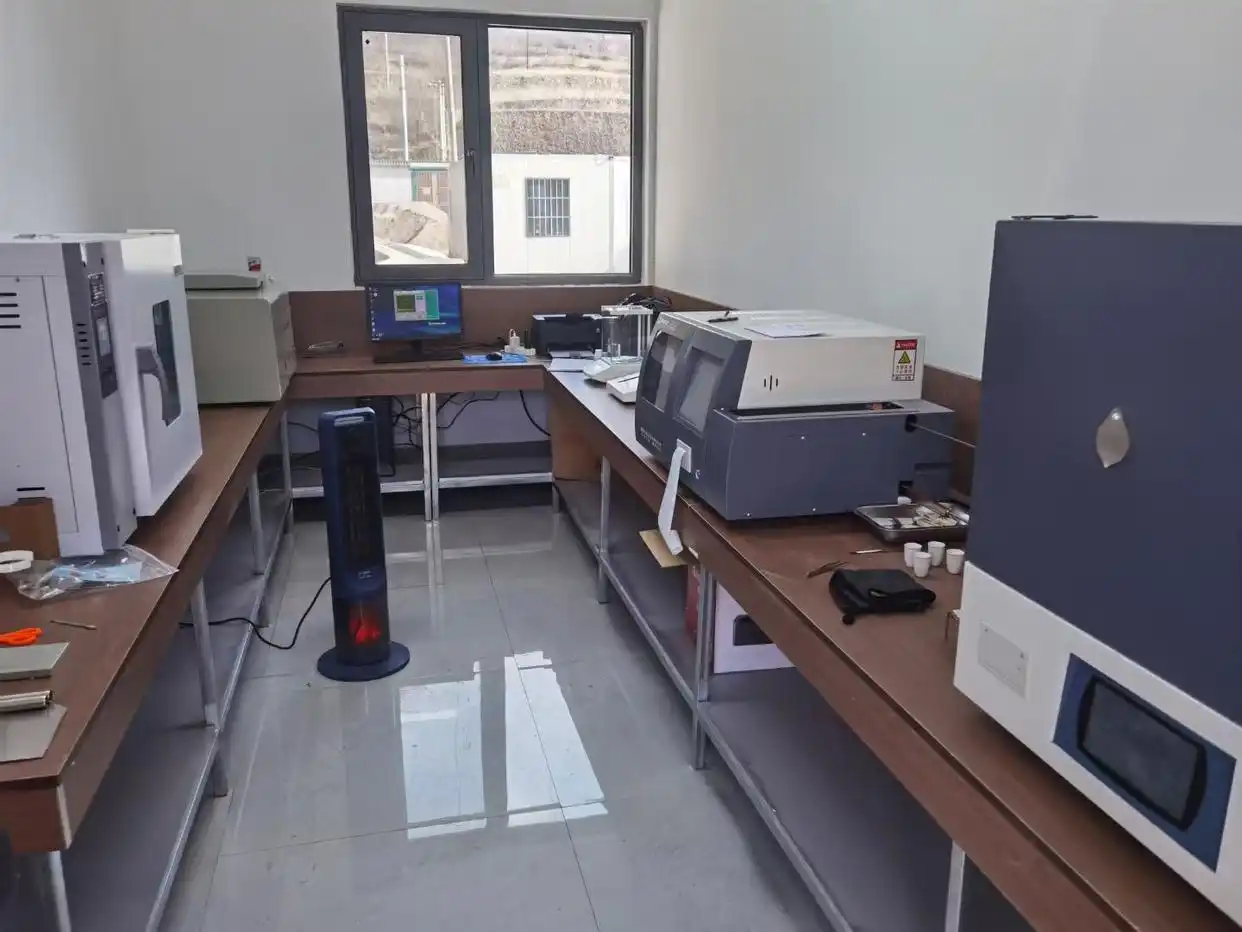 How to deal with the high calorific value of the calorimeter
Which is the best constant temperature calorimeter?
How to deal with the high calorific value of the calorimeter
Which is the best constant temperature calorimeter?