How to deal with the high calorific value of the calorimeter
When using a calorimeter for testing, high calorific values not only cause data distortion, but also affect the reliability of experimental results. To solve this problem efficiently, accurate measures need to be taken from the three core dimensions of equipment calibration, environmental control, and sample processing to quickly investigate and eliminate hidden dangers.
Step 1: Verify equipment calibration and lay a solid foundation for testing
The calibration status of the calorimeter directly determines the accuracy of calorific value detection. If there is a deviation in the calibration process, it is easy to cause high calorific value. First, check the air tightness of the oxygen bomb to ensure that there is no air leakage and avoid heat calculation errors caused by insufficient combustion; secondly, it is necessary to regularly calibrate with standard benzoic acid, and set the calibration parameters in strict accordance with the equipment instructions. If the calorific value after calibration is still high, it is necessary to check whether the electrodes in the oxygen bomb are oxidized and whether the ignition wire is in poor contact. Clean or replace parts in time to ensure that the ignition and combustion links are stable and controllable.
The second step: strictly control environmental conditions and eliminate external interference
Environmental temperature, humidity, air pressure and other factors have a significant impact on the detection results of the calorimeter. When the ambient temperature fluctuates more than ± 2 ° C, the internal thermal balance of the device will be broken, resulting in a high calorific value detection value. The calorimeter needs to be placed in a constant temperature laboratory, equipped with temperature and humidity monitoring equipment to ensure that the ambient temperature is stable at 15-30 ° C and the relative humidity is ≤ 75%. At the same time, the equipment needs to be fully preheated before testing, and the testing will be carried out after the internal temperature is stable to avoid data deviation caused by the equipment not reaching the working state.
Step 3: Standardize sample handling to ensure test consistency
Improper sample handling is a common cause of high calorific value. Samples need to be kept dry and uniform to avoid insufficient combustion due to excessive moisture or uneven particles. Sampling should be divided into four quarters to ensure sample representativeness; sample quality should be precisely controlled during weighing, and the error should not exceed 0.1mg, and the sample should be completely wrapped in a burning dish to avoid heat loss during combustion. In addition, if the sample contains volatile components, it needs to be pretreated in advance to prevent volatilization from causing heat calculation deviation and ensure that the heat released by combustion can be accurately captured.
If the problem of high calorific value remains unsolved after investigation according to the above steps, it is necessary to contact the equipment manufacturer in time, and professional technicians will inspect and repair the core components. In daily use, establishing an equipment maintenance ledger and carrying out regular calibration and maintenance can reduce the problem of abnormal calorific value from the source and ensure the accuracy and stability of the calorimeter detection.
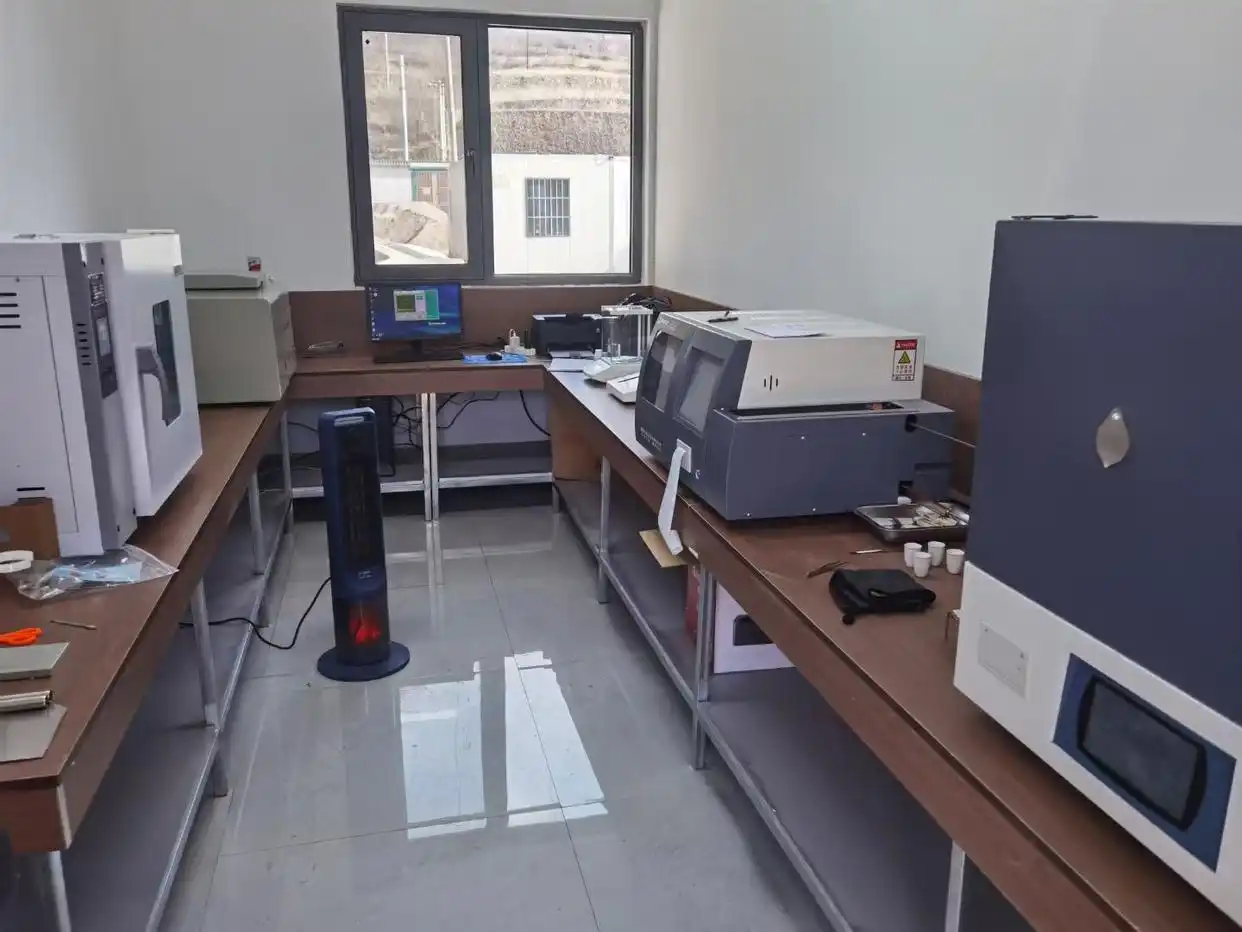 How to deal with the high calorific value of the calorimeter
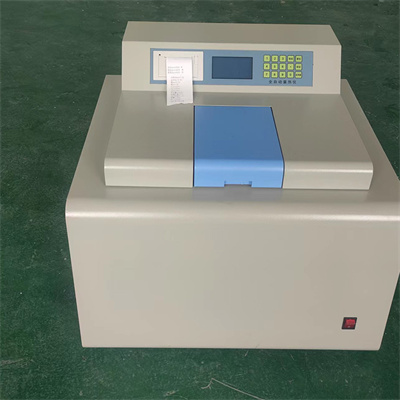 Which is the best constant temperature calorimeter?
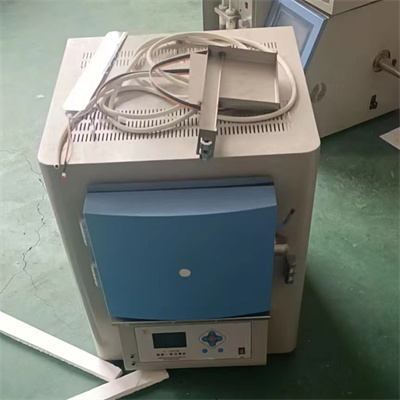 How to analyze cone calorimeter data
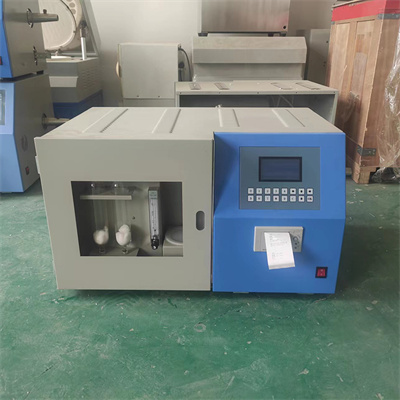 Are calorimeter accessories universal?