How to use the car coal calorimeter
Preparation before use
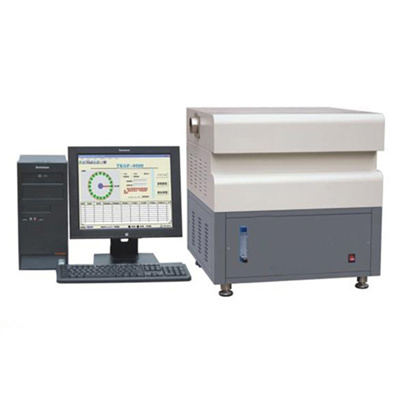
Before using the car-mounted coal calorimeter, it is necessary to make basic preparations. First check the appearance of the equipment to ensure that there is no damage and the line connection is stable, especially the power supply and data transmission line, to avoid poor contact. Next, check the oxygen cylinder of the calorimeter to ensure that the oxygen pressure is sufficient. Generally, the pressure value should be in the safe range specified by the equipment, usually 4-5MPa. Insufficient oxygen will affect the combustion effect and cause the detection data to be distorted. At the same time, prepare the coal sample to be tested and grind it to the specified particle size. For example, the particle size should reach less than 0.2mm, and the sample quality should be precisely controlled at about 1g to ensure the uniformity of the sample and lay the foundation for subsequent accurate detection.
Equipment calibration and parameter setting
Calibration is the key to ensure detection accuracy. Turn on the car-mounted coal calorimeter, enter the calibration interface, and first perform temperature calibration. You can use the standard thermometer to compare the displayed temperature of the equipment with the actual temperature. If there is any deviation, calibrate and adjust according to the equipment operation guide. Then, set the detection parameters. According to the coal detection standard, set the appropriate combustion time, ignition temperature and other parameters. For example, the ignition temperature can be set in the range of 18-25 ° C, and the combustion time is controlled at 8-10 minutes. After the parameter setting is completed, it needs to be checked again to prevent parameter errors from affecting the detection results.
III. Sample loading and testing start
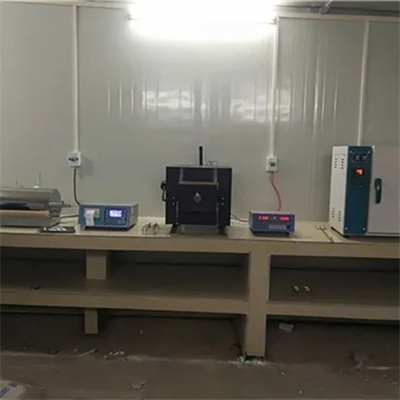
The processed coal sample is carefully loaded into the combustion dish of the calorimeter to ensure that the sample is evenly laid to avoid accumulation and prevent insufficient combustion. After the filling is completed, put the combustion dish into the combustion chamber of the equipment, close the combustion chamber door, and ensure that the seal is tight to prevent oxygen leakage. Next, open the oxygen valve to adjust the oxygen flow, generally controlled at 0.8-1 L/min. After the oxygen is filled with the combustion chamber, press the detection start button, the equipment will automatically ignite, and start the combustion detection of the coal sample. At this time, pay attention to the operation status of the equipment. If there is an abnormal sound or alarm, the detection should be suspended immediately to troubleshoot.
IV. Data reading and result processing
After the test is completed, the on-board coal calorimeter will automatically generate data on the calorific value of the coal, usually in megajoules per kilogram (MJ/kg). When reading the data, it should be carefully checked to ensure that the data is accurate. If the data fluctuates greatly, it can be re-sampled for testing to eliminate the interference of uneven samples or operation errors. After recording the data, close the oxygen valve, clean the residual coal slag in the combustion chamber, and keep the equipment clean for next use. Finally, organize the test report, and label the sample information, test time, and calorific value data to provide a reliable basis for coal quality assessment.
Mastering the correct use of the vehicle-mounted coal calorimeter not only guarantees the accuracy of the detection data, but also enhances the efficiency of coal detection and helps to carry out related work efficiently.
 How to read calorimeter data
 What is the design principle of a calorimeter?
 What is the harm of lack of water in the calorimeter?
 What is the input interface of the calorimeter?