How to drain the calorimeter video explanation
The importance of calorimeter drainage
During the experimental process of the calorimeter, accurate measurement is inseparable from the stability of the internal environment, and drainage operation is the key to ensure the normal operation of the instrument. Improper drainage may cause damage to the instrument parts and affect the accuracy of the measurement results, so it is necessary to master the correct drainage method.
Preparation before drainage
First, make sure that the calorimeter is in a power-off state to avoid the risk of electric shock during operation. Next, prepare clean rags, containers and other tools for receiving the discharged water to prevent water from spilling on other parts of the instrument and causing damage. At the same time, carefully check the location of the discharge port of the calorimeter, familiarize yourself with its structure, and lay the foundation for subsequent operation.
Detailed drainage operation steps (video explains the core)
1. Open the drain valve: Find the drain valve of the calorimeter, and open the valve slowly and smoothly according to the direction indicated in the instrument manual. In the video explanation, the position and opening method of the valve will be clearly displayed, so that you can see at a glance.
2. Observe the drainage situation: After opening the valve, closely observe the discharge of water. If the water flow is smooth, it means that the drainage channel is normal; if the water flow is not smooth, it may be that the drain is blocked, so it is necessary to suspend the drainage, check and clean the blockage.
3. Drain the internal water: Wait patiently until the water inside the calorimeter is completely drained. You can judge by observing whether there is no more water flowing out of the drain. The video will show the judgment method in close-up to ensure that you can accurately grasp it.
4. Close the drain valve: After the water is drained, close the drain valve in time to prevent water leakage during subsequent use. When closing the valve, also ensure the operation specifications to avoid damage to the valve with excessive force.
Inspection and maintenance after drainage
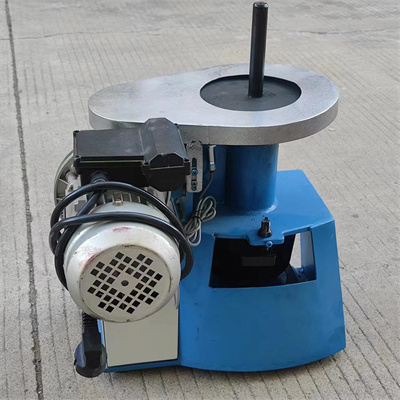
After the drainage is completed, wipe the remaining water stains on the surface of the instrument with a clean rag to keep the instrument dry. At the same time, check whether the various parts of the instrument are operating normally, and if there is any problem, check and deal with it in time. Regular drainage operation and inspection can effectively prolong the service life of the calorimeter and ensure the reliability of the experimental data.
Through the above video explanation of the steps, I believe you can quickly master the drainage method of the calorimeter, keep the instrument in good working condition, and provide strong support for the experimental work.
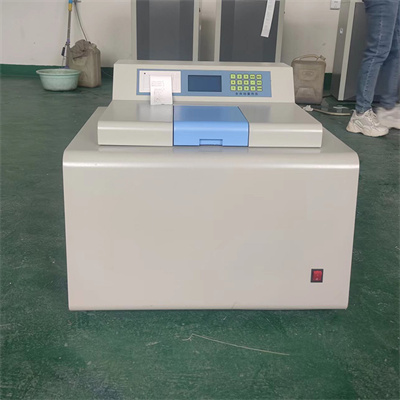 How to read calorimeter data
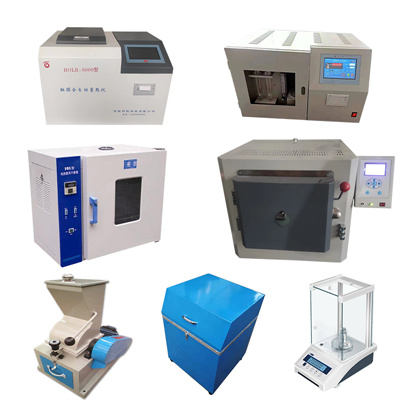 What is the design principle of a calorimeter?
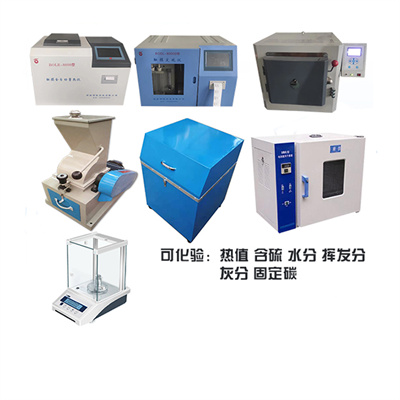 What is the harm of lack of water in the calorimeter?
 What is the input interface of the calorimeter?