The reason why calorimeters always deflagrate
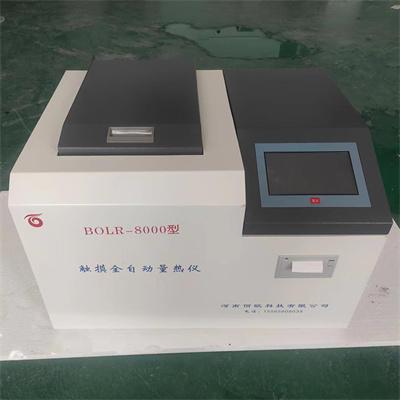
calorimeters are widely used in experimental testing, but the problem of deflagration occurs frequently, which not only affects the experimental process, but also hides safety risks. Only by grasping the root cause of deflagration can we accurately avoid it.
reagent problem
Improper reagent selection and dosage are common causes of deflagration. If the calorific value of the selected fuel is too high, or the mixing ratio of the sample and the oxidizer is unbalanced, the degree of reaction intensity will be greatly increased. For example, when the sample volume far exceeds the load range of the calorimeter, the heat released by the reaction cannot be diffused in time, and the heat accumulates sharply, which can easily lead to deflagration. In addition, the purity of the reagent is insufficient, and impurities participate in the reaction to generate additional heat, which will also break the balance of the reaction and bury the
equipment failure
The failure of the calorimeter's own equipment cannot be ignored either. The oxygen bomb is not tightly sealed, which will cause oxygen leakage, so that the sample cannot be fully burned, and the substances that are not completely burned will suddenly react violently in the subsequent reaction, triggering deflagration. The ignition device is aging, and the ignition energy is unstable. There may be delayed ignition or secondary ignition after ignition failure. At this time, the sample has accumulated a large amount, and instant ignition will cause deflagration. In addition, the heat dissipation system of the calorimeter fails, and the heat cannot be effectively discharged. The internal temperature of the instrument continues to rise, which will also increase the probability of deflagration.
operation error
Non-standard operating procedures are an important driving force for deflagration. Before the experiment, the calorimeter was not fully inspected, ignoring problems such as equipment aging and loose parts, and the experiment was carried out directly to lay the groundwork for deflagration. During the loading process, if the sample is over-compacted, it hinders the full contact of oxygen with the sample, the combustion reaction is uneven, and the local heat is concentrated, which is easy to cause deflagration. Also, the material residues in the instrument are not cleaned up in time after the experiment. These residues accumulate to a certain extent, and in case of high temperature or open flame, it will cause deflagration.
Environmental factors
Environmental conditions have a significant impact on the operation of the calorimeter. If the laboratory temperature is too high, it will reduce the heat dissipation efficiency of the calorimeter, making it difficult for the internal heat of the instrument to dissipate; if the humidity is too high, it may cause the reagent to get damp, affect the stability of the combustion reaction, and increase the risk of deflagration. In addition, the laboratory is not well ventilated, and the combustible gas generated by the experiment cannot be discharged in time. When the gas concentration reaches the explosion limit, it will cause deflagration
After understanding the cause of the deflagration of the calorimeter, the experimenter needs to strictly control the quality and dosage of the reagent, maintain the equipment regularly, standardize the operation process, and optimize the experimental environment. Only in this way can we ensure the safe and stable operation of the calorimeter and ensure the smooth development of the experiment.
 How to read calorimeter data
 What is the design principle of a calorimeter?
 What is the harm of lack of water in the calorimeter?
 What is the input interface of the calorimeter?