How to Add Water to a Calorimeter
Preparation
Before adding water to the calorimeter, it is necessary to make full preparations. Make sure that the calorimeter is turned off and powered off to avoid accidents during operation. Prepare clean distilled water or deionized water, which is pure in water quality and can prevent impurities from affecting the measurement accuracy of the calorimeter. At the same time, prepare suitable water addition tools, such as a graduated dropper or a special liquid dispenser, for accurate control of the amount of water added.
Add water step
1. Find the water filling port: carefully check the structure of the calorimeter and accurately locate the water filling port position. Different types of calorimeters may have different water filling port positions. Generally, there will be obvious signs on the side or top of the instrument.
2. Add water slowly: Use the prepared water addition tool to slowly inject water into the water filling port. During the water addition process, closely observe the water level indicator device, such as the water level scale equipped with the calorimeter. The water addition speed must be well controlled, too fast can easily lead to water overflow and contaminate the internal parts of the instrument.
3. Control the amount of water: strictly follow the instructions of the calorimeter to control the amount of water added. Usually, the water level needs to reach the specified scale line, neither lower than the minimum water level, which affects the normal operation of the instrument; nor higher than the maximum water level, to prevent water overflow from causing short circuits and other failures.
Check after adding water
After adding water, check again whether the water level is within the normal range. After confirming that it is correct, dry the remaining water stains on the surface of the instrument to prevent water stains from entering the inside of the instrument and causing malfunctions. Then, start the calorimeter according to the operation process, observe the running status of the instrument, and ensure that the water addition operation does not cause adverse effects on the instrument.
Precautions
1. Water quality requirements: It is strictly forbidden to use tap water or water containing impurities. Impurities can adhere to the inside of the instrument, affecting heat transfer and measurement accuracy. Long-term use may also damage the instrument.
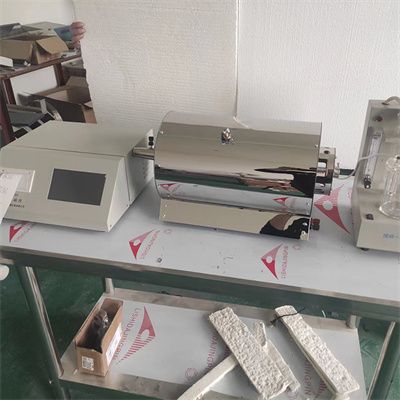
2. Operating environment: The operation of adding water should be carried out in a dry and clean environment to avoid dust, water vapor, etc. from entering the instrument.
3. Regular maintenance: Regularly check the water level of the calorimeter, replenish water in a timely manner, and replace the water regularly to keep the water quality clean to ensure that the calorimeter is always in the best working condition.
Mastering the correct method of adding water to the calorimeter can not only ensure the measurement accuracy of the calorimeter, but also prolong the service life of the instrument, providing reliable support for experimental and testing work.
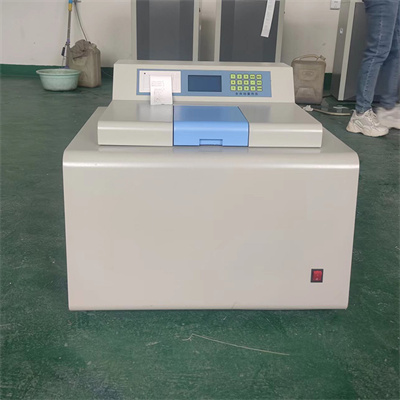 How to read calorimeter data
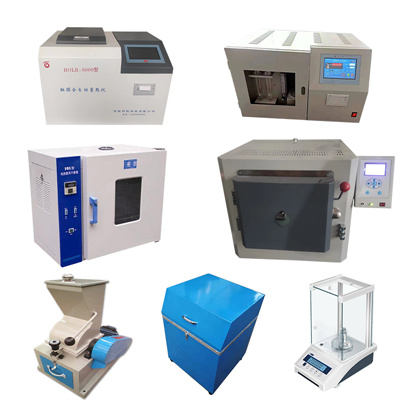 What is the design principle of a calorimeter?
 What is the harm of lack of water in the calorimeter?
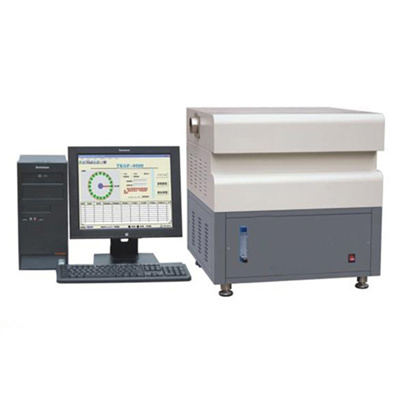 What is the input interface of the calorimeter?