How to test a cone calorimeter
Core preparation before testing: double calibration of equipment and samples
Before testing the cone calorimeter, it is necessary to complete the equipment calibration and sample preparation. In terms of equipment, check the running status of the cone heater, thermocouple, weighing system and other components, and calibrate the radiant heat flow through the standard heat source to ensure that the radiation intensity meets the test standards (such as ISO 5660, ASTM E1354). Sample preparation needs to be strictly cut according to the standard, the typical size is 100mm × 100mm, the thickness is controlled within 10mm, and the surface of the sample needs to be guaranteed to be flat and free of damage to avoid affecting the accuracy of the test results.
Sample installation: accurate positioning to ensure test compliance
Fix the prepared sample on the sample holder to ensure that the surface of the sample is kept at a specified distance from the bottom of the cone heater, usually 25mm. The sample holder needs to be tightly connected to the weighing system to ensure that the weight change of the sample can be accurately captured during the combustion process. At the same time, a gas collecting hood is placed under the sample and connected to the gas collection pipe to prepare for the subsequent flue gas composition analysis. After the installation is completed, it is necessary to confirm that the sample position is not offset.
III. Parameter Settings: Matching Test Standards and Requirements
The key parameters are set according to the test standards and sample characteristics. The core parameters include the radiant heat flow intensity (routinely set to 35kW/m ², which can be adjusted according to the material type), the ignition time (set the ignition trigger time), and the data collection frequency (recommended to collect once per second to ensure data continuity). After the parameter setting is completed, start the equipment to warm up, and wait for the temperature of the cone heater to stabilize before entering the formal test process.
Formal testing: full monitoring and data collection
After starting the test program, the cone heater applies stable radiant heat to the sample, and the sample gradually decomposes and burns after being heated. During the test, the operation status of the equipment needs to be monitored in real time, focusing on the combustion of the sample, the change of the weighing system data and the flue gas concentration. The equipment will automatically collect core data such as heat release rate, mass loss rate, and flue gas generation rate until the sample burns or reaches the preset test time. Turn off the heater and ignition device in time after the test is completed.
Data interpretation: accurate analysis of material combustion performance
After the test, the data collected by the equipment is derived, and key charts such as heat release rate curve and mass loss curve are drawn through professional software. The peak value of heat release rate is the core index for evaluating the fire risk of materials. The lower the peak value, the less heat released when the material is burned, and the lower the fire risk. The mass loss rate reflects the intensity of material combustion. Combined with flue gas data, the combustion performance of the material can be comprehensively judged, providing a scientific basis for material research and development and fire protection design.
VI. Final testing: equipment maintenance and data archiving
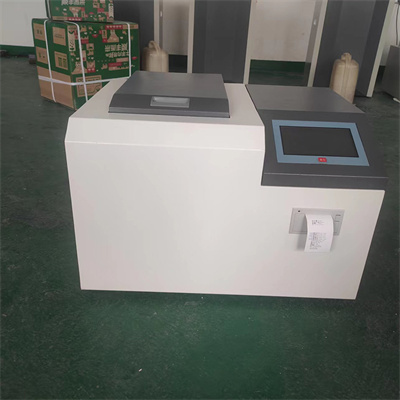
After the test is completed, the sample residue and gas hood are cleaned, and key components such as cone heaters and weighing systems are cleaned and maintained to ensure stable equipment performance. At the same time, the test data, parameter setting records and sample information are completely archived for subsequent traceability and comparative analysis, providing data support for material combustion performance optimization.
 How to read calorimeter data
 What is the design principle of a calorimeter?
 What is the harm of lack of water in the calorimeter?
 What is the input interface of the calorimeter?