Is the calorimeter really accurate?
The working principle of a calorimeter lays an accurate foundation
The core function of the calorimeter is to accurately measure the heat released or absorbed during the combustion, reaction and other processes of substances. Its working principle is based on the law of conservation of energy. By building a constant temperature environment, the thermal sensor is used to capture heat changes, convert heat into electrical signals and convert them into readable data. This scientific and rigorous design provides theoretical support for the accuracy of the calorimeter. As long as the equipment is running normally, the basic measurement logic is reliable.
Key Error Factors Affecting the Accuracy of Calorimeter
However, the accuracy of the calorimeter is not absolute, and a variety of factors can interfere with the measurement results. Ambient temperature fluctuations are the primary interference items. If the laboratory temperature is unstable, it will lead to heat loss or abnormal absorption, which directly affects the accuracy of the data; sample preparation is not standardized, which is also fatal. The sample quality is uneven and the combustion is incomplete, which will cause insufficient heat release and cause measurement deviation. In addition, the long-term non-calibration of the instrument and the aging of the thermal element will gradually reduce the sensitivity of the equipment, resulting in data distortion.
Core Operating Specifications for Ensuring the Accuracy of Calorimeters
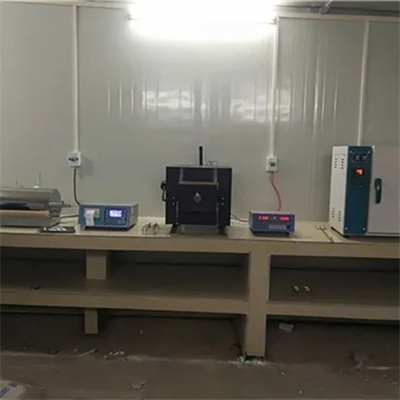
To keep the calorimeter accurate, standardized operation and regular calibration are essential. Before each use, the equipment needs to be strictly calibrated, the performance of the instrument needs to be verified with standard materials to ensure the accuracy of the measurement reference; the sample preparation should follow the standard process to ensure that the sample is uniform and the measurement value is accurate, and the experimental environment temperature is controlled to reduce external interference. At the same time, regular maintenance of the instrument and replacement of aging parts can continue to ensure the measurement accuracy of the calorimeter.
Summary: The accuracy of the calorimeter is controllable, and the key lies in standardized operation
In summary, the calorimeter itself has a scientific measurement principle and a reliable accuracy basis, but the actual measurement results are affected by multiple factors such as the environment, operation, and equipment status. As long as the operating specifications are strictly followed, regular calibration and maintenance are carried out, and every key link is well controlled, the performance of the calorimeter can be maximized, and the measurement data can be accurate and reliable to meet various testing needs.
 How to read calorimeter data
 What is the design principle of a calorimeter?
 What is the harm of lack of water in the calorimeter?
 What is the input interface of the calorimeter?