What does a calorimeter measure?
The core measurement object of the calorimeter
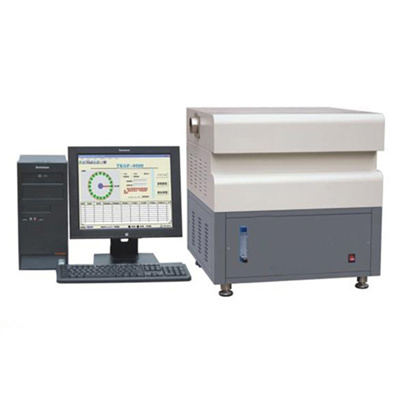
A calorimeter, as a professional calorimeter, has the core function of accurately measuring the heat change of a substance, focusing on the calorific value and combustion heat of a substance. Calorific value is the heat released when a unit mass (or volume) of fuel is completely burned. This data is crucial for the energy industry to evaluate fuel quality and optimize combustion efficiency. Combustion heat is the heat released by a substance during combustion reactions, and is a key indicator for studying the energy conversion of chemical reactions.
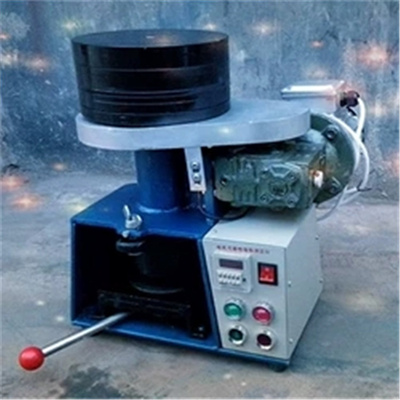
A wide range of application scenarios for calorimeters
In the field of energy, calorimeters assist in the determination of the calorific value of fuels such as coal, oil, and natural gas, providing a scientific basis for energy extraction, processing, and utilization, and ensuring efficient energy conversion. In the field of scientific research, it supports the study of the thermal effect of chemical reactions, helping researchers explore reaction mechanisms and optimize reaction conditions. In chemical production, calorimeters monitor changes in reaction heat to ensure production safety and improve product quality.
Measurement principle and advantages of calorimeter
Based on thermodynamic principles, the calorimeter captures the heat changes during the reaction of substances through precision sensors, and calculates accurate heat data through professional algorithms. It has the advantages of high measurement accuracy, strong stability, and convenient operation. It can quickly and accurately complete the heat measurement tasks of various substances, providing reliable heat data support for various industries. It is an indispensable professional tool in the field of heat measurement.
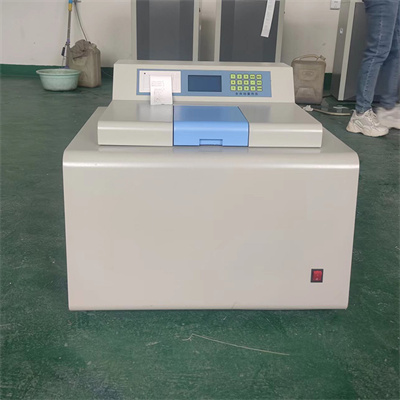 How to read calorimeter data
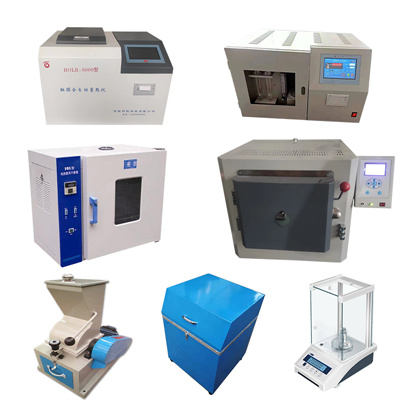 What is the design principle of a calorimeter?
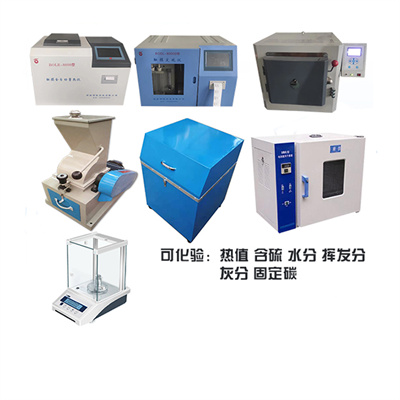 What is the harm of lack of water in the calorimeter?
 What is the input interface of the calorimeter?