How to convert power with a calorimeter
The Core Principle of calorimeter Power Conversion
The calorimeter works based on the laws of thermodynamics and deduces relevant parameters by measuring the heat released by the combustion or reaction of a substance. Power is the energy output per unit time, which is closely related to heat. In the application scenario of the calorimeter, heat is the basic measurement quantity, and the power conversion needs to be carried out according to the relationship between heat and time. The core formula is power = heat/time, which is the key logical basis for the conversion.
The specific steps of power conversion
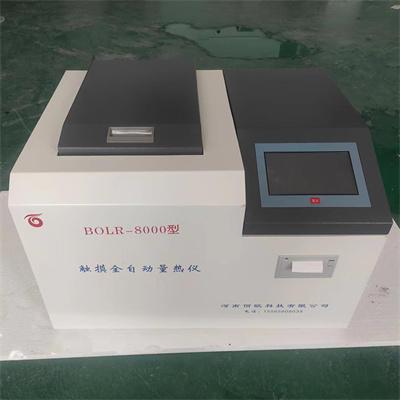
The first step is to accurately obtain the heat data. Use a calorimeter to complete the experiment to ensure a stable experimental environment, standardize the operation process, and accurately record the total heat released by the reaction of the substance. This is the source data of the conversion, and the data deviation will directly lead to the wrong power calculation.
The second step is to determine the time parameters. To clarify the time interval corresponding to the heat release, the time record needs to be accurate to the second to ensure the correspondence between the time data and the heat data, and to avoid affecting the conversion results due to time statistical errors.
The third step is to substitute the formula calculation. Substitute the obtained heat and time data into the power formula, and through a simple division operation, the corresponding power value can be obtained. The calculation process needs to be carefully checked to ensure the accuracy of the result.
Key considerations during the conversion process
The first is instrument calibration. The calorimeter needs to be calibrated regularly to ensure the accuracy of heat measurement. Only after calibration can the instrument provide reliable data for power conversion, otherwise the conversion results have no reference value.
The second is environmental control. The temperature and humidity of the experimental environment need to be kept constant, and environmental fluctuations will affect the accuracy of heat measurement, thereby interfering with the power conversion results. It is necessary to do environmental control in advance.
The third is the unity of the unit. The units of heat and time need to be unified and standardized to avoid calculation errors caused by unit conversion errors, and strictly follow the international standard units to ensure the standardization of the conversion process.
Mastering the power conversion method of a calorimeter not only enhances the processing ability of experimental data, but also provides accurate support for energy measurement, material analysis, and other work. By following the above steps, accurate conversion can be completed quickly.
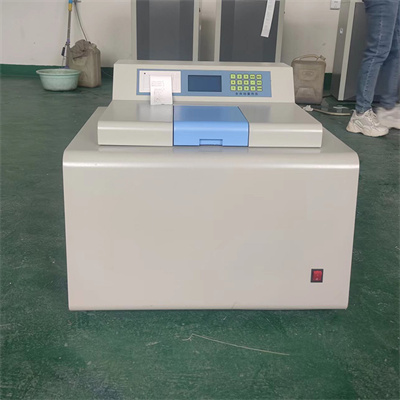 How to read calorimeter data
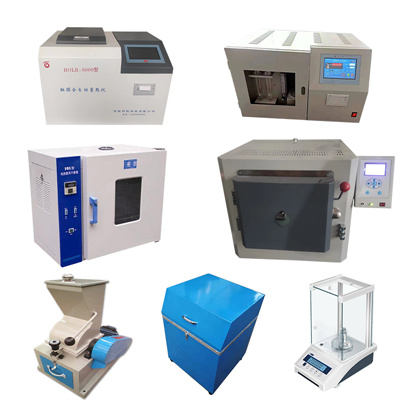 What is the design principle of a calorimeter?
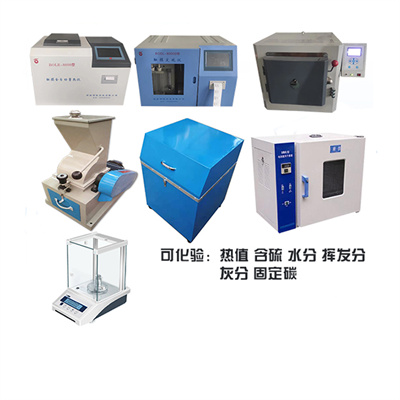 What is the harm of lack of water in the calorimeter?
 What is the input interface of the calorimeter?