Why doesn't the calorimeter fire?
In the coal, chemical and other industries, calorimeters are the key equipment for accurately measuring the calorific value of substances. However, many users will encounter the trouble of the calorimeter not igniting, which seriously affects the detection efficiency. Below, we will analyze the reasons and solutions for the calorimeter not igniting in detail.
Ignition failure
The ignition device is the core component of the ignition of the calorimeter. If there is a problem with it, it will inevitably lead to ignition failure. Common ignition device failures include electrode oxidation, short circuit or open circuit. After long-term use of the electrode, an oxide layer will form on the surface, hindering current conduction and making ignition impossible. At this time, the electrode needs to be gently polished with fine sandpaper to remove the oxide layer and ensure that the electrode surface is clean. If the ignition device is short-circuited or open circuit, it is necessary to check the connection of the circuit and repair or replace the damaged circuit.
Oxygen bomb problem
The oxygen bomb is a key component of the calorimeter, providing sufficient oxygen for the sample to burn. If the oxygen bomb is not tightly sealed and the oxygen leaks, the sample will not be able to burn fully, and then the ignition will not be possible. Check the sealing of the oxygen bomb, you can immerse it in water to see if there are bubbles emerging. If there are bubbles, it means that the oxygen bomb has an air leakage problem, and the sealing ring needs to be replaced or the oxygen bomb needs to be repaired. In addition, poor contact between the electrode inside the oxygen bomb and the ignition wire will also affect the ignition. Make sure that the ignition wire is tightly connected to the electrode.
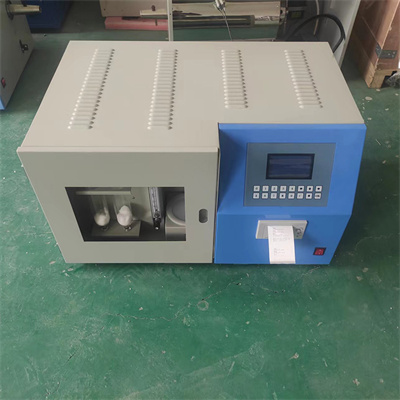
sample factor
The quality and condition of the sample are crucial for the ignition of the calorimeter. If the sample is damp and the moisture content is too high, it will reduce the flammability of the sample and cause difficulty in ignition. Therefore, make sure that the sample is dry before testing, and the sample can be processed with desiccant or drying equipment. At the same time, if the sample is too small or too much, it will also affect the ignition effect. If the sample is too small, the heat released by combustion is not enough to cause ignition; if the sample is too large, it may lead to insufficient combustion. Generally, an appropriate amount of sample should be accurately weighed according to the requirements of the calorimeter instructions.
Other factors
In addition to the above reasons, the unstable power supply voltage of the calorimeter and the aging of the internal wiring of the instrument may also cause non-ignition problems. In such cases, it is necessary to check the power supply to ensure voltage stability; regularly maintain the instrument and replace the aging wiring and components in time.
When the calorimeter does not ignite, it can be checked one by one according to the above steps. By accurately locating the cause of the failure and taking effective solutions, the calorimeter can resume normal operation and ensure the smooth progress of the detection work.
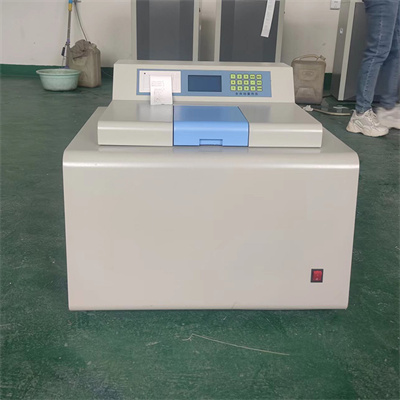 How to read calorimeter data
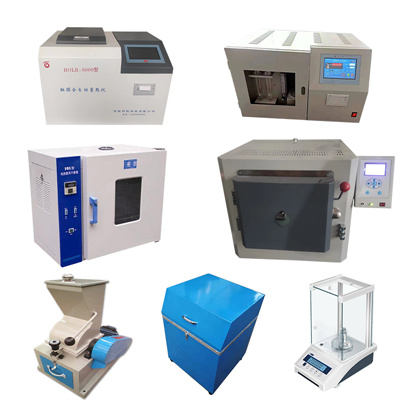 What is the design principle of a calorimeter?
 What is the harm of lack of water in the calorimeter?
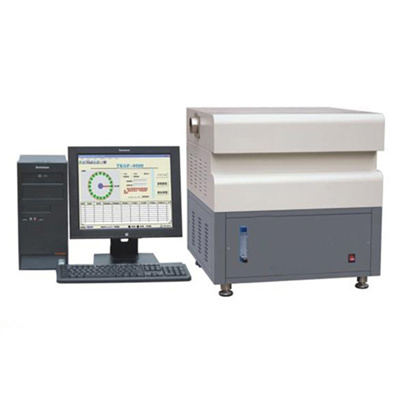 What is the input interface of the calorimeter?