How to measure moisture with a calorimeter
The principle basis of measuring moisture by calorimeter
The core principle of measuring moisture in a calorimeter is to use the heat absorbed by the evaporation of water in the material to cause the temperature change of the system. By accurately capturing the temperature difference and combining the thermodynamic formula, the moisture content in the sample is calculated. This method relies on the relationship between heat transfer and material characteristics, and has the advantages of high detection accuracy and standardized operation process. It is suitable for moisture detection of various samples such as coal and chemical raw materials.
The operation steps of measuring moisture with a calorimeter
The first step is to make preliminary preparations. First check the integrity of the calorimeter to ensure that the power supply, sensors and other components of the instrument are operating normally; at the same time, prepare a dry and clean sample dish to crush the sample to the specified particle size to ensure the uniformity of the sample and avoid affecting the detection results due to uneven particles.
The second step is to calibrate the instrument parameters. Turn on the calorimeter to preheat to a stable state, and use the standard sample for calibration according to the equipment manual. During the calibration process, it is necessary to strictly control the temperature, time and other parameters to ensure the accuracy of the instrument measurement reference and lay a solid foundation for subsequent testing.
The third step is to accurately place the sample. Use a precise balance to weigh an appropriate amount of the sample to be tested and spread it evenly in the sample dish to avoid excessive accumulation of the sample. Put the sample dish smoothly into the detection chamber of the calorimeter and close the chamber door to prevent external heat interference and ensure the stability of the detection environment.
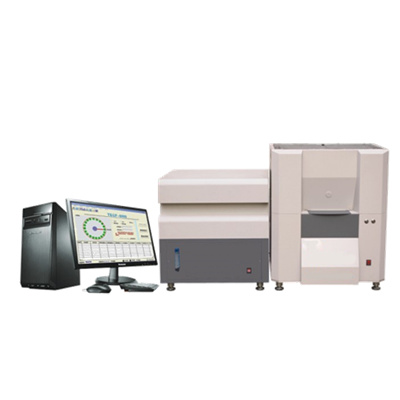
The fourth step is to start the inspection process. Start the detection program of the calorimeter, and the instrument will automatically heat the sample to cause the water to evaporate fully. During the process, the instrument will monitor the temperature change in real time and transmit the data to the system. The operator does not need manual intervention, just pay attention to the operation status of the instrument.
The fifth step is to read and record the data. After the test is completed, the instrument will automatically generate the test result, and the operator needs to record the moisture content value in time. If the data is abnormal, it is necessary to re-sample and test to eliminate interference factors such as uneven samples and instrument errors.
Key operating considerations
First, the sample processing should be standardized, and the crushing particle size and sampling amount should be strictly followed to avoid deviation due to sample problems. Second, the calibration of the instrument should not be omitted. Regular calibration can ensure the detection accuracy of the calorimeter. It is recommended to perform basic calibration before each use. Third, the testing environment should be stable, avoid operating in an environment with large temperature fluctuations and strong airflow, and prevent external factors from interfering with heat transfer and affecting the detection accuracy.
By mastering the above operation process and key points, moisture detection can be completed efficiently and accurately with the help of a calorimeter, providing reliable data support for production quality control and product quality control.
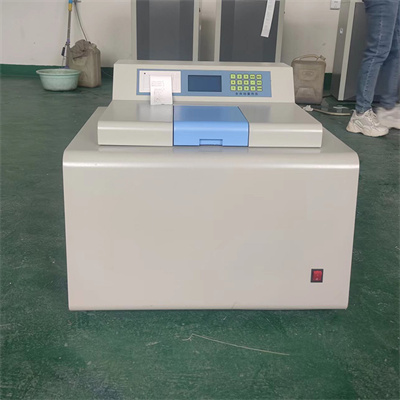 How to read calorimeter data
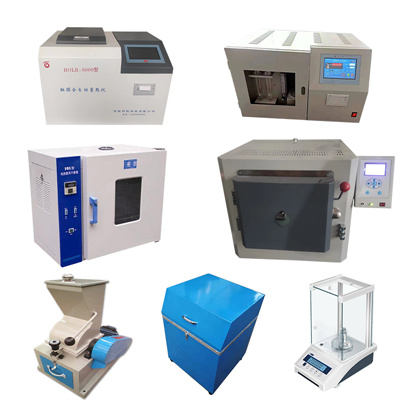 What is the design principle of a calorimeter?
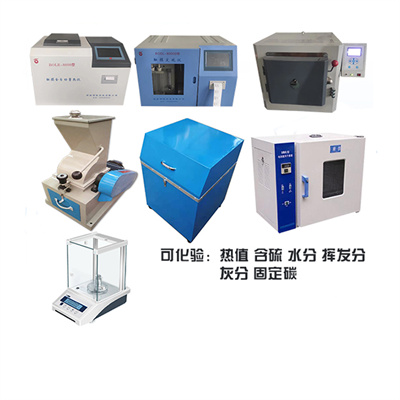 What is the harm of lack of water in the calorimeter?
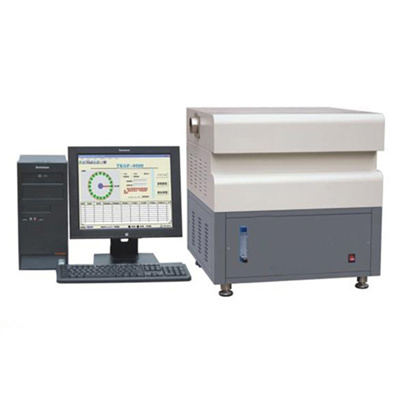 What is the input interface of the calorimeter?