What is the air pressure of the calorimeter?
When conducting experiments related to heat measurement, the calorimeter is the core equipment, and the pressure setting of the calorimeter directly affects the accuracy and reliability of the experimental results. Many users are confused about how much pressure the calorimeter requires. Here is a detailed review for you.
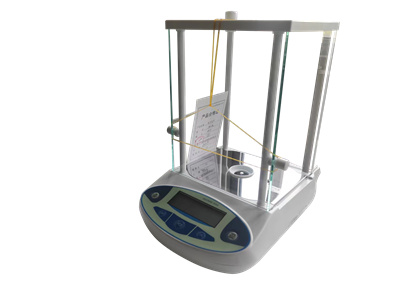
Conventional calorimeter air pressure core standard
Most conventional calorimeters, especially those used to measure the calorific value of solid fuels such as coal and building materials, need to maintain a stable air pressure in the range of 0.28MPa-0.32MPa. This standard is not set arbitrarily. If the air pressure is too low, the oxygen supply will be insufficient, the sample will not be able to burn fully, and the measured calorific value will be low. If the air pressure is too high, it may cause the equipment pipeline pressure to overload, which not only poses a safety hazard, but also easily causes gas leakage, which also interferes with the experimental data.
Key points of air pressure adjustment in special scenarios
For some special models or calorimeters suitable for special samples, the air pressure requirements will vary slightly. For example, for calorimeters used for liquid fuel determination, some models need to stabilize the air pressure at about 0.3MPa, and the fluctuation range should not exceed ± 0.02MPa. If the experimental environment is at a high altitude, the setting value should be adjusted in combination with the air pressure compensation function to avoid the deviation of oxygen delivery due to changes in ambient air pressure and affect the experimental accuracy.
Practical operation method of air pressure regulation and monitoring
In order to ensure that the air pressure meets the standards, attention should be paid during operation: first, check the air pressure value through the barometer that comes with the equipment before each experiment to confirm that it is in the standard range; second, if abnormal air pressure is found, check the pressure of the oxygen cylinder first. Whether the pipeline is blocked or leaking, it is strictly forbidden to change the parameters of the pressure regulating valve of the equipment without permission; third, regularly calibrate the air pressure monitoring device to avoid instrument errors leading to air pressure control errors.
Emergency treatment for substandard air pressure
If the air pressure is found to deviate from the standard during the experiment, the experiment should be suspended immediately. Close the oxygen cylinder valve first, check whether the pipeline connection is loose, and clean up the impurities in the pipeline. After the air pressure returns to stability, re-perform the blank experiment calibration, and then carry out the formal sample measurement to ensure the authenticity and validity of the experimental data.
Mastering the air pressure standard of the calorimeter and strictly controlling the air pressure setting and monitoring are the keys to ensuring the accurate development of heat measurement experiments. Relevant operators must strictly abide by the specifications to avoid experimental errors caused by air pressure problems.
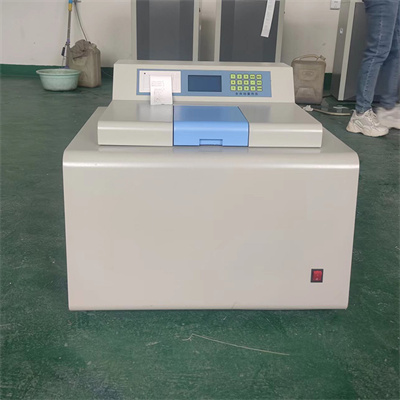 How to read calorimeter data
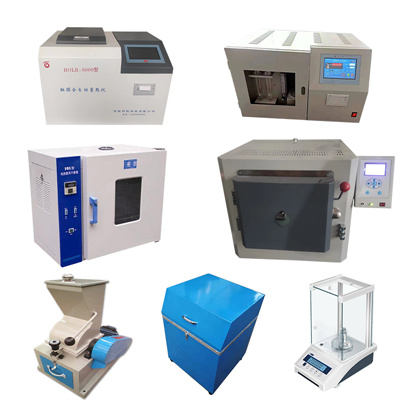 What is the design principle of a calorimeter?
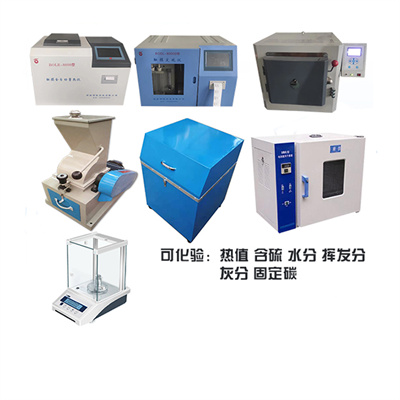 What is the harm of lack of water in the calorimeter?
 What is the input interface of the calorimeter?