How to add water to a calorimeter
When using a calorimeter to carry out experimental work, correctly adding water to the calorimeter is a key prerequisite for ensuring accurate measurement. Here is a detailed introduction to the method of adding water to the calorimeter.
Preparation before adding water
Before adding water to the calorimeter, turn off the power supply of the calorimeter to avoid the danger of electric shock during the water addition process and ensure the safety of operation. At the same time, prepare distilled water that meets the requirements, because tap water contains impurities, which may affect the performance of the calorimeter, and distilled water has high purity, which can effectively avoid impurities from causing damage to the instrument.
Determine the location and amount of water to be added
Different models of calorimeters have different water addition locations and water volume requirements. Generally speaking, calorimeters have special water addition ports, which are usually located on the side or top of the instrument. Check the instrument manual carefully to clarify the specific water addition location and required water volume. If there is too much water, it may cause water overflow and damage the internal components of the instrument; if there is too little water, it will not be able to meet the experimental needs and affect the accuracy of the measurement results.
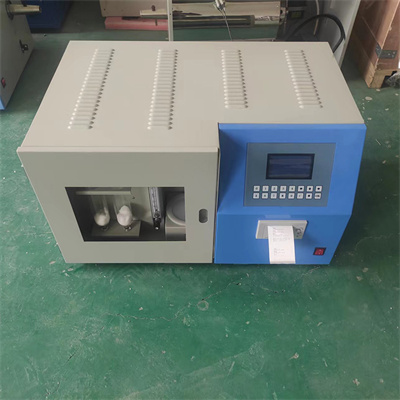
Standardize water addition operation
Slowly pour the prepared distilled water into the water filling port, and the funnel can be used to assist in adding water to prevent water from spilling outside the instrument. During the water addition process, always pay attention to the water level scale, and stop adding water immediately when the water level reaches the standard scale specified in the manual. After adding water, gently shake the calorimeter to distribute the water evenly inside the instrument to avoid bubbles affecting the experiment.
Check after adding water
After adding water, check again whether the water inlet is well sealed to prevent water leakage during the follow-up experiment. At the same time, turn on the power supply of the calorimeter to observe whether the instrument can operate normally and whether the parameters are stable. If any abnormality is found, turn off the power immediately to troubleshoot the problem.
Mastering the correct method of adding water to the calorimeter can not only prolong the service life of the instrument, but also ensure the accuracy of the experimental data. Strictly following the above steps can easily complete the water addition work of the calorimeter.
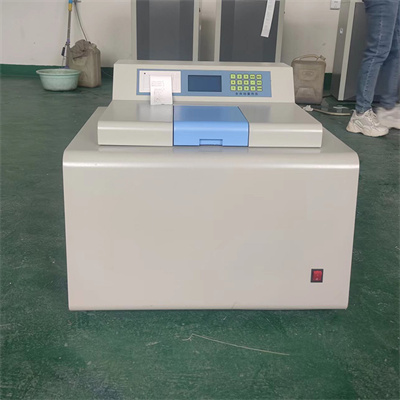 How to read calorimeter data
 What is the design principle of a calorimeter?
 What is the harm of lack of water in the calorimeter?
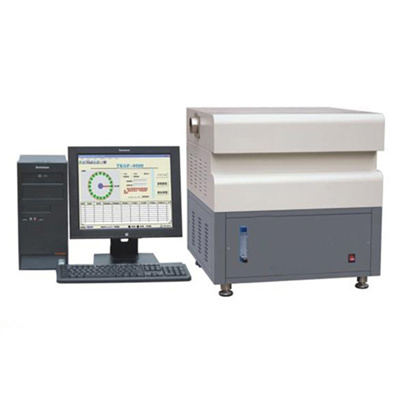 What is the input interface of the calorimeter?